Jaipur, famously known as the Pink City, stands as a crowning jewel in India's rich cultural and historical tapestry. Founded in 1727 by Maharaja Sawai Jai Singh II, the capital city of Rajasthan is a masterclass in ancient urban planning, architectural splendor, and vibrant cultural heritage. Unlike modern urban developments, Jaipur was constructed according to the principles of Vastu Shastra and Shilpa Shastra, creating a grid-based city enclosed by defensive walls and monumental gates.
When travelers cross into the historic old town, they are greeted by terraced arcades, terracotta pink facades, and an unmistakable sense of royal grandeur. Whether you are a history enthusiast, a wildlife explorer, a culinary explorer, or an architecture lover, Jaipur delivers an unmatched sightseeing experience.
Architectural Marvels That Tell Regal Stories
The architectural diversity of Jaipur is one of its primary draws. From hillside fortresses to delicate palaces in the middle of lakes, every structure tells a captivating tale of Rajput valor, Mughal influence, and royal artistry.
Amer Fort: The Majestic Hilltop Fortress
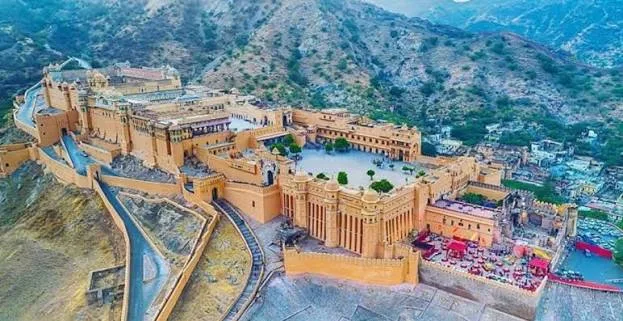
Located roughly 11 kilometers from the city core, Amer Fort (or Amber Fort) crowns the Aravalli Hills. Constructed from red sandstone and marble, this UNESCO World Heritage Site offers sweeping vistas over Maota Lake. Visitors can wander through expansive courtyards, marvel at the intricate glass mirror mosaic work of the Sheesh Mahal (Hall of Mirrors), and walk through the historic Ganesh Pol.
Hawa Mahal: The Iconic Palace of Winds
Perhaps the most recognized facade in Rajasthan, the Hawa Mahal features 953 small lattice-worked windows called jharokhas. Designed in 1799 by Lal Chand Ustad under Maharaja Sawai Pratap Singh, this five-story honeycomb structure was created so royal ladies could observe everyday market life and processions without being seen from the street.
City Palace and Jantar Mantar
Situated in the heart of the walled city, the City Palace complex remains home to the royal descendants. It houses museums displaying royal attire, vintage weaponry, and delicate art. Adjacent to the palace lies Jantar Mantar, an extraordinary 18th-century astronomical observatory with 19 giant stone instruments, including the world’s largest stone sundial.
Immersive Local Culture and Culinary Heritage
Sightseeing in Jaipur goes far beyond visiting historical monuments; it is an immersive sensory experience. The bustling bazaars of Johari, Bapu, and Tripolia are overflowing with authentic Rajasthani handicrafts, hand-block printed textiles, blue pottery, and silver jewelry.
Food forms an integral part of any trip to Jaipur. Traditional eateries serve signature dishes like Dal Baati Churma, rich Gatte Ki Sabzi, spicy Laal Maas, and local sweets such as Ghewar and Mawa Kachori. Exploring these local markets and food hubs gives visitors an authentic glimpse into the daily life and traditions of Rajasthan.
Practical Sightseeing Itineraries for Every Traveler
Because Jaipur boasts so many landmarks, planning a trip with an experienced tour operator in Rajasthan makes a noticeable difference in organizing efficient routes and understanding local history.
For visitors with limited time, a well-planned Jaipur three days tour offers the perfect timeframe to explore the major attractions without feeling rushed:
- Day 1: The Walled City Highlights – Start early at Hawa Mahal for sunrise, explore the City Palace and Jantar Mantar, and spend the evening browsing Johari Bazaar.
- Day 2: Royal Forts and Lake Views – Head up to Amer Fort, stop by Panna Meena Stepwell, photograph Jal Mahal, and catch a panoramic sunset from Nahargarh Fort.
- Day 3: Museums, Gardens, and Local Crafting – Visit the Albert Hall Museum, stroll through Patrika Gate, explore local block-printing workshops, and enjoy a traditional Rajasthani dinner.
For travelers wishing to explore further across the Golden Triangle or deeper into desert cities like Jodhpur, Udaipur, and Jaisalmer, combining Jaipur into a broader Rajasthan holiday tour provides a complete cultural journey across the state.
Best Time to Visit Jaipur and Travel Tips
To get the most out of your Jaipur trip, keep these practical tips in mind:
- Ideal Season: October to March offers cool, pleasant weather ideal for daytime fort exploration and outdoor sightseeing.
- Getting Around: Auto-rickshaws, private taxis, and local walking tours work best within the narrow lanes of the Pink City.
- Morning Photography: Key spots like Hawa Mahal and Patrika Gate are best visited early in the morning to beat the crowds and enjoy optimal lighting.
Jaipur’s unique blend of monumental architecture, warm hospitality, world-class heritage hotels, and rich cultural traditions ensures its position as one of India's premier travel destinations. Whether standing atop the ramparts of Amer Fort or sipping spiced chai in a vibrant bazaar, every moment in Jaipur offers a timeless taste of royal India.