True water management is a continuous science focused on maintaining equilibrium across various chemical parameters. Without precision tools, keeping water stable becomes an impossible guessing game. Understanding the foundational elements of water chemistry reveals why accurate measurement is the cornerstone of any successful maintenance routine.
Understanding the Fundamentals of Pool Water Chemistry
Water chemistry governs every aspect of swimming pool longevity, equipment protection, and overall bather comfort. When water lacks proper balance, it reacts aggressively with its surroundings, either corroding metal components or precipitating unwanted mineral deposits. Achieving this delicate chemical equilibrium requires understanding how different parameters interact with one another on a daily basis.
- Water balance relies on a delicate interplay between alkalinity, calcium hardness, and overall acidity levels.
- Chemical reactions occur constantly due to environmental factors like sunlight, rainfall, and organic debris.
- Ignoring minor chemical shifts can quickly lead to widespread maintenance complications and water degradation.
- Routine monitoring prevents sudden chemical spikes that jeopardize the integrity of the entire system.
The Role of pH in Maintaining Stable Water Conditions
The measurement of potential hydrogen determines whether water leans toward acidity or basicity on a standard logarithmic scale. Maintaining this specific metric within an optimal range ensures that sanitizing agents operate at maximum efficiency. When acidity shifts too far in either direction, sanitizers lose their potency, leaving the water vulnerable to contamination and environmental degradation.
- Optimal acidity parameters ensure that chlorine and alternative sanitizers work efficiently without requiring excessive chemical quantities.
- Regular assessments safeguard interior pool surfaces from etching, staining, and premature structural breakdown.
- Consistent monitoring prevents uncomfortable bather experiences such as skin irritation and stinging eyes.
- Using a pool ph test kit allows owners to identify minor shifts before they escalate into major problems.
Why Visual Inspections Fail Without Precise Measurement Tools
Human eyes cannot detect microscopic chemical imbalances, making visual observation entirely useless for determining water safety. Water that appears crystal clear can still harbor aggressive chemical properties that damage pool linings and irritate swimmers. Relying on guesswork rather than concrete data almost always results in wasted chemical investments and recurring water clarity issues.
- Clear water appearance often masks hidden chemical imbalances that require immediate corrective action.
- Estimating chemical adjustments by sight leads to over-correction, severe water volatility, and unnecessary expenses.
- Scientific validation through dedicated instruments remains the only reliable method for determining true water safety.
Comparing Testing Methods for Optimal Water Management
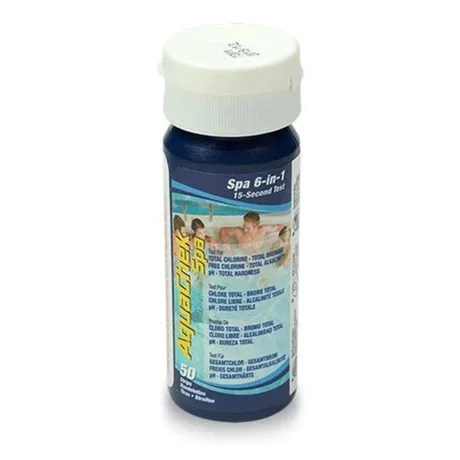
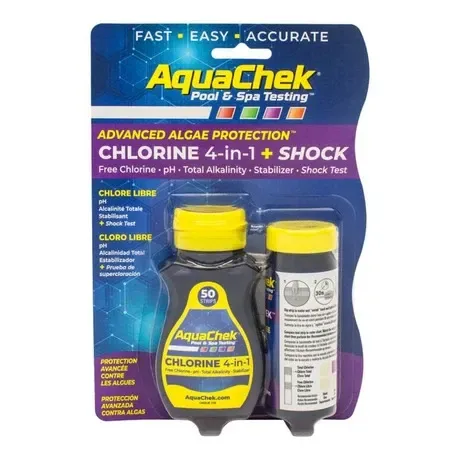
Different testing methodologies offer varying degrees of precision, speed, and convenience for everyday pool owners. While some individuals prefer traditional color-matching liquids, others opt for digital readers or convenience-driven pool ph test strips for quick weekly evaluations. Selecting the right diagnostic approach depends on balancing ease of use with the exact level of measurement accuracy required.
- Colorimetric liquid kits offer high precision through distinct chemical reactions and visual spectrum matching.
- Diagnostic strips provide rapid results for routine checks, though they require careful storage to prevent degradation.
- Digital meters eliminate human error in color interpretation by delivering exact numerical readouts instantly.
- Choosing a dependable evaluation method ensures long-term consistency and protects the lifespan of pool equipment.
The Hidden Costs of Neglecting Regular Water Testing
Neglecting routine chemical evaluations creates a cascade of expensive consequences that affect both hardware longevity and water aesthetics. Corrosive water slowly eats away at metallic pool heaters, ladders, and filtration systems, leading to premature equipment failure. Conversely, unbalanced basic water produces stubborn scaling that clogs filters and ruins tile lines.
- Unmonitored water chemistry accelerates wear and tear on expensive circulation pumps and filtration systems.
- Fixing severely damaged water requires massive shocks of corrective chemicals that disrupt normal usage schedules.
- Preventative testing saves significant financial resources by minimizing the need for emergency professional interventions.
- Consistent maintenance habits protect both the financial investment of the pool and the wellness of swimmers.
Conclusion
Achieving and maintaining a pristine aquatic environment is entirely dependent on accurate data collection and consistent chemical management. Advanced accessories found at Ever-Klear Pool Supply provide the foundational reliability needed for accurate home maintenance. Without reliable diagnostic tools, water balancing remains an unattainable goal plagued by guesswork and costly mistakes. By prioritizing precise monitoring, pool owners can ensure a safe, comfortable, and long-lasting swimming environment all season long.
Frequently Asked Questions
What is the ideal pH range for a swimming pool?
The ideal pH range for a pool typically falls between 7.2 and 7.6. Maintaining this window ensures that sanitizers work at peak efficiency while keeping the water comfortable for swimmers and safe for equipment.
How often should I test my pool water chemistry?
It is recommended to test your pool water at least 2 to 3 times a week during peak swimming season, and more frequently after heavy rainstorms or heavy bather use.
Can I tell if my pool water is balanced just by looking at it?
No. Water can look completely crystal clear and transparent while still harboring severe chemical imbalances that can irritate skin, damage pool liners, or corrode metal equipment.
What happens if my pool water pH is too high?
High pH (basic water) reduces the effectiveness of chlorine, can cause cloudy water, and frequently leads to scale buildup on pool walls, tiles, and filtration equipment.
What happens if my pool water pH is too low?
Low pH (acidic water) can cause eye and skin irritation, etch plaster surfaces, corrode metal ladders and heaters, and degrade vinyl pool liners prematurely.