Many industries need to repair, inspect, or expand their pipeline systems without stopping production. This is where Hot tapping services in Ajman become useful. Hot tapping allows technicians to connect to an existing pipeline while it remains in operation. This method helps avoid complete system shutdowns and supports continuous work. Many industries use hot tapping because it saves time, reduces interruptions, and allows planned maintenance to continue more smoothly.
What Is Hot Tapping?
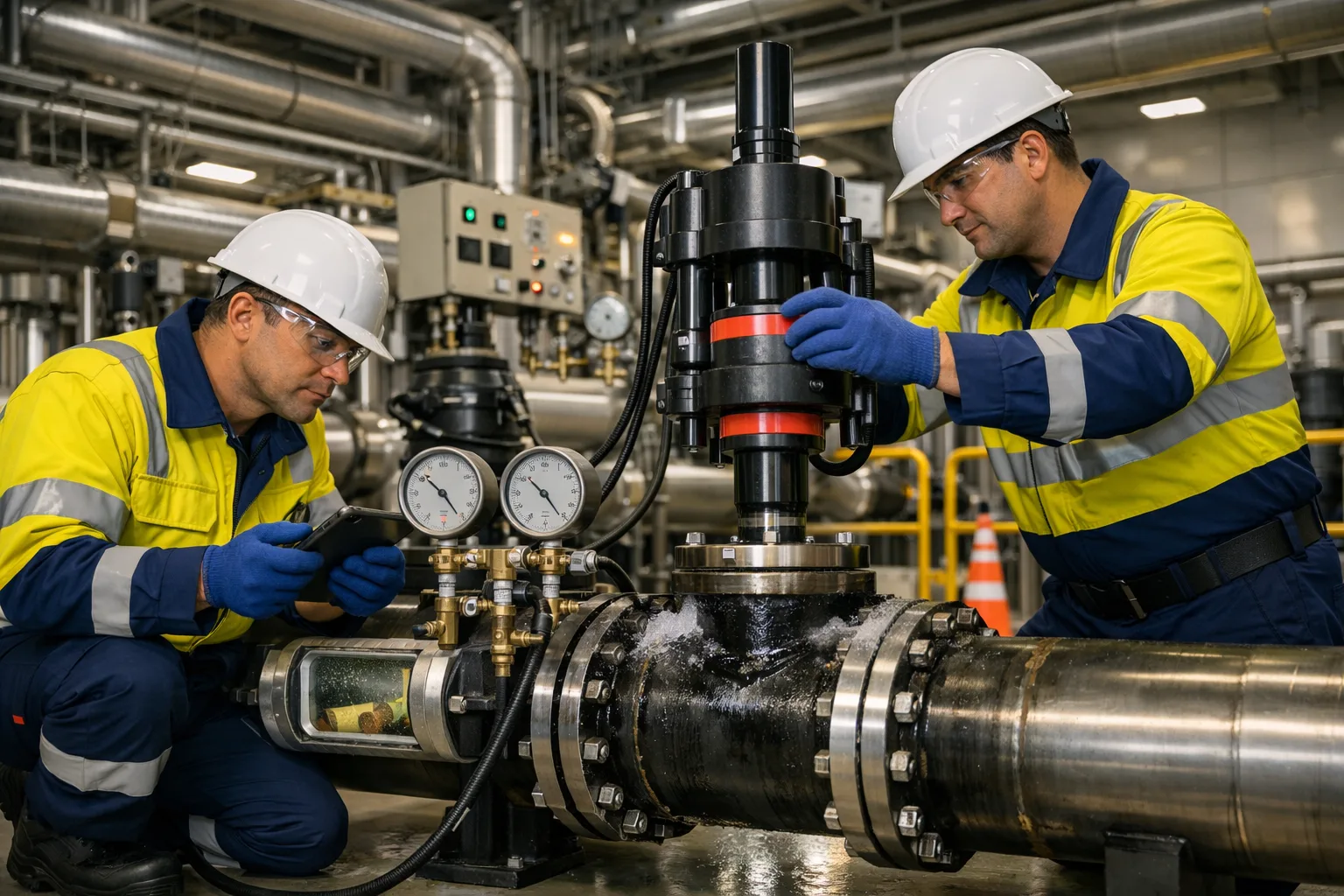
Hot tapping is a process used to create a new connection on an active pipeline or pressure vessel without stopping the flow inside it. A special fitting is attached to the pipe, and a controlled cutting machine makes an opening while the system continues to operate.
This method is commonly used on pipelines carrying water, oil, gas, chemicals, or other industrial fluids. It allows maintenance teams to install new branches, valves, or equipment without emptying the entire pipeline. The work is carefully planned to match the pipeline material, pressure, temperature, and operating conditions.
What Is Shutdown Work?
Shutdown work means completely stopping the pipeline or system before maintenance begins. The pipeline is isolated, pressure is released, and the section is drained before repairs or modifications are carried out.
Although shutdown work is still necessary for some large repairs or equipment replacement, it often requires more planning. Production may stop for several hours or even days, depending on the size of the system. Restarting the system also takes additional time and careful inspection before normal operation can continue.
Why Does Hot Tapping Reduce Downtime?
One of the biggest reasons industries choose hot tapping is that it keeps the pipeline working during maintenance.
When a system remains active, factories, commercial buildings, and industrial plants can continue their normal operations. Workers can complete planned modifications without waiting for a full shutdown schedule.
Reducing downtime is especially important in facilities where production runs continuously. Even a short shutdown can affect daily operations, project schedules, and maintenance planning.
How Does Hot Tapping Help Save Time?
Hot tapping removes many of the steps required during shutdown work. There is no need to drain long sections of pipeline, clean the system, or refill it after maintenance.
Since fewer preparation steps are needed, the overall project can often be completed more efficiently. Maintenance teams can focus on the actual work instead of spending extra time preparing and restarting the system.
This makes hot tapping a practical option for many planned pipeline modifications.
How Does It Reduce Product Loss?
During shutdown work, the material inside the pipeline often needs to be removed before repairs begin. This may result in wasted water, fuel, chemicals, or other valuable products.
Hot tapping allows the product to remain inside the pipeline while the connection is made. This helps reduce unnecessary waste and supports better use of resources.
For industries handling expensive materials, reducing product loss is an important advantage.
Is Hot Tapping Suitable for Different Industries?
Yes. Hot tapping is used in many industries because pipeline systems are found in different types of facilities.
It is commonly used in:
- Water distribution systems
- Oil and gas facilities
- Chemical plants
- Manufacturing industries
- Fire protection systems
- District cooling networks
- Commercial and industrial buildings
Each project is evaluated based on pipeline size, pressure, material, and operating conditions before work begins.
When Is Shutdown Work Still Needed?
Although hot tapping offers many benefits, it is not suitable for every situation.
Shutdown work may still be required when pipelines have severe damage, major corrosion, large structural repairs, or when equipment must be completely replaced. Certain safety conditions may also require the system to be isolated before maintenance starts.
Engineers review each project carefully to decide which method is the safest and most suitable.
How Does Proper Planning Improve Hot Tapping?
Successful hot tapping depends on careful planning before any work begins.
Engineers study pipeline drawings, operating pressure, pipe material, wall thickness, and fluid type. They also inspect the work area and prepare the required equipment.
A detailed plan helps technicians perform the work safely while reducing unexpected problems. Good planning also supports smooth coordination between maintenance teams and facility operators.
Why Do Many Industries Prefer Hot Tapping?
Many industries prefer hot tapping because it allows important pipeline work without stopping normal operations. It helps reduce downtime, avoids unnecessary product loss, shortens maintenance time, and supports efficient project planning.
Every pipeline system is different, so engineers choose the most suitable maintenance method based on technical requirements and safety standards. For many planned pipeline modifications, Hot tapping services in Ajman provide a practical solution that allows maintenance work while keeping essential systems operating.