Security has become a major priority for commercial and government infrastructure projects across Australia. From transport hubs and logistics centres to schools and utility facilities, organisations require perimeter systems that deliver long term protection and strong visual deterrence. This is why 358 mesh continues to gain attention across high security environments where safety, durability, and controlled access are essential.
The Growing Demand for Secure Perimeter Systems
Government and commercial sites face increasing challenges related to trespassing, vandalism, theft, and unauthorised access. Facilities such as data centres, rail corridors, warehouses, and public infrastructure require fencing systems that can perform under demanding conditions.
Traditional fencing products may not provide the level of security required for these environments. Modern infrastructure projects now focus on stronger perimeter barriers that can support surveillance systems, improve site control, and minimise maintenance requirements over time.
This is where anti climb fencing has become an important solution for many Australian projects.
What Makes These Security Systems Effective?
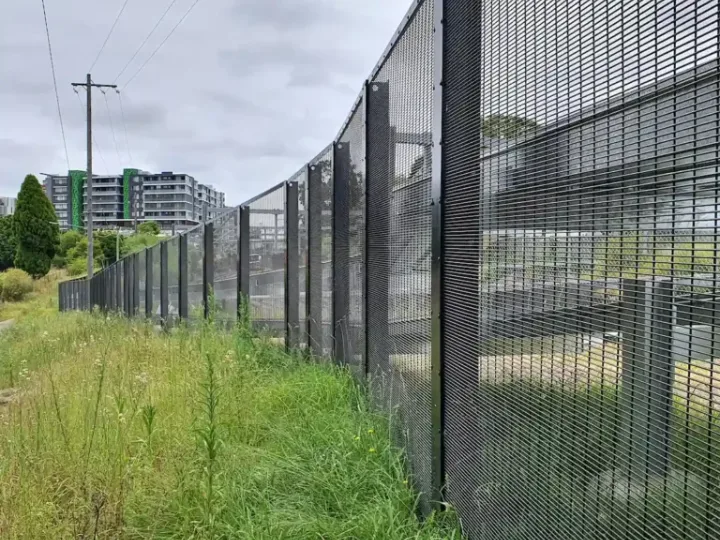
High security perimeter systems are specifically designed to prevent climbing and forced entry. Their tightly spaced mesh design limits footholds and hand access, making intrusion far more difficult.
An anti climb fence also offers excellent visibility. Security personnel and CCTV systems can monitor activity clearly without visual obstruction. This is particularly important for government assets, transport infrastructure, and education facilities where continuous monitoring is required.
Many project managers also prefer these systems because they provide a professional appearance while maintaining strong security performance.
Common Applications Across Australia
Security fencing solutions are now widely used across various sectors due to their versatility and durability.
Government Infrastructure
Public infrastructure requires fencing that can withstand harsh environmental conditions while maintaining public safety. These barriers are commonly installed around:
- Transport facilities
- Rail depots
- Utility substations
- Water treatment plants
- Government storage compounds
In railway fencing projects, security barriers help reduce trespassing risks and protect operational areas from unauthorised access.
Commercial and Industrial Facilities
Large industrial facilities often require perimeter systems that protect expensive equipment and valuable stock. Warehouses, freight terminals, and logistics centres use anti climb mesh systems to improve site security without restricting visibility.
The strong steel construction also helps reduce long term maintenance costs, which is beneficial for facilities operating around the clock.
Education and Public Spaces
Schools, universities, and sports facilities increasingly use 358 anti climb mesh products to create secure boundaries while maintaining an open and modern appearance.
These systems support student safety while discouraging after hours access and vandalism.
Why Durability Matters for Australian Conditions
Australia’s climate can place heavy pressure on external infrastructure. Security fencing installed near coastal areas, industrial zones, or high rainfall regions must resist corrosion and structural wear.
Many commercial and government projects now specify galvanised or powder coated materials to improve longevity and reduce maintenance expenses.
A properly engineered 358 anti-climb mesh fencing system can continue performing effectively for many years even in demanding environments.
Access Control and Security Integration
Modern facilities often combine fencing systems with gates, surveillance technology, and controlled entry points.
A 358 mesh gate provides secure vehicle and pedestrian access while maintaining the integrity of the overall perimeter system. These gates are commonly integrated with:
- Swipe card systems
- CCTV monitoring
- Automated entry controls
- Security alarms
This integrated approach improves operational efficiency while supporting workplace safety requirements.
Compliance and Project Standards
Commercial and government projects across Australia must comply with strict engineering and safety requirements. Security fencing systems are often selected based on:
- Site risk assessments
- Infrastructure regulations
- Workplace safety requirements
- Long term asset management goals
Choosing experienced contractors and compliant materials helps ensure projects meet operational and regulatory expectations.
High security facilities require perimeter systems that deliver strength, durability, visibility, and long term reliability. From transport infrastructure and logistics facilities to education and government projects, modern fencing solutions continue to play a critical role in protecting assets and improving public safety. For organisations seeking dependable perimeter protection across demanding environments, 358 mesh remains one of the most trusted choices for commercial and infrastructure security projects in Australia.
FAQs
What makes 358 anti climb mesh suitable for commercial facilities?
358 anti climb mesh provides strong perimeter protection, anti climbing properties, and excellent visibility for surveillance systems used in commercial environments.
Why is anti climb fencing commonly used in government projects?
Anti climb fencing helps protect critical infrastructure, reduce trespassing risks, and improve overall site security for public facilities.
Where is a 358 mesh fence commonly installed?
A 358 mesh fence is often installed around rail corridors, warehouses, schools, utility sites, and logistics facilities.
Can a 358 mesh gate support controlled access systems?
Yes, a 358 mesh gate can integrate with automated entry systems, CCTV monitoring, and access control technology.
Why is anti climb mesh important for railway fencing projects?
Anti climb mesh helps improve safety around rail infrastructure by restricting unauthorised access and supporting secure corridor management.