7 Ways Data Centre Fencing Can Help Protect External Plant and Restricted Service Areas
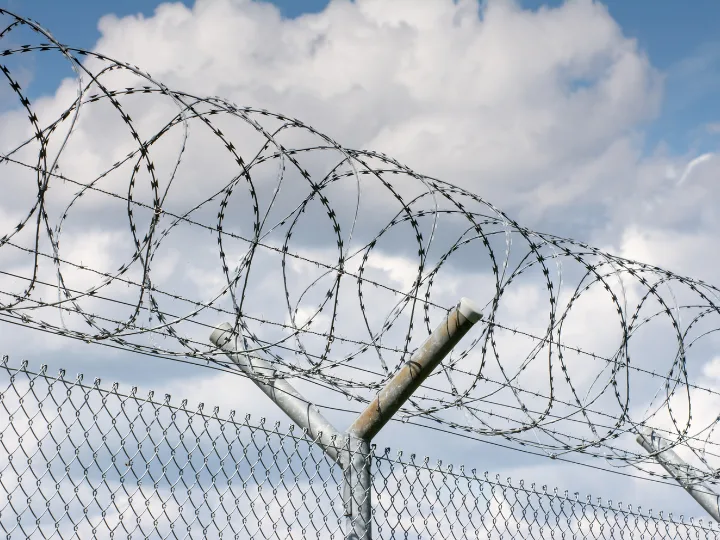
External plant and service areas play an important role in keeping data centres operational. Generators, cooling equipment, electrical infrastructure and maintenance facilities often sit outside the main building but remain essential to daily operations. Effective data centre fencing can help protect these assets by creating controlled boundaries, separating restricted zones and supporting authorised maintenance access.
1. Securing External Electrical Infrastructure
Data centres depend on reliable electrical systems, including transformers, switchgear and distribution equipment. These assets may be located in external compounds that require separation from general site traffic and unauthorised visitors.
A suitable perimeter can help establish a restricted area around electrical infrastructure. Fence height, construction, gates and locking arrangements should reflect the site's security assessment and relevant electrical safety requirements.
2. Protecting Generator Compounds
Backup generators help support continuity when the normal power supply is interrupted. Their external compounds may also contain fuel systems, control equipment and associated services that require controlled access.
Fencing can help prevent unauthorised entry while allowing approved technicians to inspect and maintain the equipment. Gate locations should provide practical access for service vehicles and specialist maintenance teams without creating unnecessary openings in the perimeter.
3. Restricting Access to Cooling Plant
Cooling systems are essential for managing the operating conditions of data centre equipment. External chillers, cooling towers, pumps and related plant may need dedicated protection from unauthorised access or accidental interference.
A clearly defined boundary can separate cooling equipment from pedestrian routes, vehicle areas and other site activities. The layout should also allow sufficient room for maintenance, equipment replacement and safe movement around the plant.
4. Separating Restricted Service Areas
Data centres can contain several external service zones, each with different access requirements. These may include maintenance compounds, equipment storage areas, utility connections and waste handling facilities.
A coordinated data centre fencing & gates near me solution can help establish separate access zones according to operational responsibilities. Dedicated gates and suitable locking arrangements can make it easier to manage access for employees, contractors and approved service providers.
5. Supporting CCTV and Security Monitoring
External plant areas may form part of a wider surveillance system involving CCTV cameras, lighting and monitored access points. Fence design should consider the visibility required by these systems.
Open mesh configurations can help maintain sightlines across selected areas, while camera positions should account for fence lines, gates and nearby equipment. The final arrangement should avoid unnecessary obstructions that could affect monitoring coverage.
6. Managing Maintenance and Equipment Deliveries
External plant often requires regular inspections, servicing and occasional equipment replacement. Larger components may need to be transported by trucks, cranes or specialist service vehicles.
Gate dimensions, opening configurations and approach routes should be planned around these requirements. The design should also consider turning space, loading areas and safe access for maintenance personnel.
Where equipment may need to be replaced in the future, allowing suitable access from the beginning can help avoid costly changes to the perimeter.
7. Maintaining Security During Site Expansion
Data centres may expand their external infrastructure as power, cooling and operational requirements increase. New generators, substations, cooling equipment and service compounds can change how restricted areas are arranged.
Perimeter planning should consider potential future developments where practical. Fence alignment, gate positions and access-control arrangements should allow for changes without compromising existing security zones.
FAQs
Why is fencing important around external data centre plant?
Fencing helps define restricted areas, control access and protect external equipment such as generators, cooling systems and electrical infrastructure.
What should be considered when choosing data centre fencing?
Project teams should assess security requirements, plant locations, access needs, fence configuration, surveillance coverage, ground conditions and future maintenance.
Can data centre fencing include separate gates for maintenance teams?
Yes. Dedicated gates can provide controlled access for technicians, contractors and service vehicles according to the facility's operational requirements.
How can fencing support CCTV monitoring?
Suitable fence configurations can maintain visibility around restricted areas, while coordinated camera and lighting positions can support broader surveillance coverage.
Can fencing accommodate future data centre expansion?
Yes. Planning for potential new plant areas, additional access points and changing service requirements can make future perimeter modifications more manageable.
Protecting external plant and restricted service areas requires a perimeter that supports both physical security and practical operations. Separating electrical infrastructure, generator compounds, cooling equipment and maintenance zones can help establish clear access controls across a data centre site. By considering surveillance, service access and future expansion, project teams can develop a coordinated data centre fencing solution that supports the security and operational needs of critical facilities.