
In the modern world, most of the time is spent inside our homes, offices, retail facilities, educational institutions, shopping centers, or other types of commercial properties. While comfort and aesthetics often receive attention, indoor air quality has emerged as a critical factor that directly affects health, productivity, and overall well-being.
As awareness around wellness and environmental conditions continues to grow, businesses and homeowners alike are prioritizing clean, healthy indoor environments more than ever before.
The Invisible Factor Affecting Everyday Health
Indoor air may look clean, but it can contain dust, allergens, bacteria, volatile organic compounds (VOCs), and other pollutants that negatively impact health over time. Poor air quality leads to allergies, respiratory problems, fatigue, headaches, and reduced concentration levels.
In urban areas, especially where outdoor pollution levels are already high, maintaining healthy indoor environments becomes even more important. Proper ventilation and air circulation play a major role in reducing airborne contaminants and creating a safe living and working atmosphere.
Creating Spaces That Support Wellness
Modern architecture is more focused on human-centric design. Beyond stylish interiors and smart layouts, buildings are now being designed to support physical and mental well-being through improved airflow and temperature control.
Advanced technologies, including an efficient HVAC system, help regulate indoor temperatures while maintaining clean and more balanced air circulation. These systems are important to ensure consistent comfort across residential and commercial spaces without compromising energy efficiency.
By investing in better indoor climate management, organizations can create environments that promote comfort, focus, and overall wellness.
Productivity Begins With Better Air
Indoor air quality has a direct impact on workplace productivity. Employees working in poorly ventilated environments often experience discomfort, reduced energy levels, and difficulty concentrating throughout the day.
Businesses are now recognizing that a healthy indoor atmosphere contributes to improved employee performance and satisfaction. A well-maintained HVAC system can help optimize airflow, manage humidity levels, and reduce the buildup of indoor pollutants, ultimately supporting a more productive workspace.
This is especially important in modern offices where hybrid work models and collaborative spaces require comfortable and adaptable environments.
Smart Buildings Are Prioritizing Air Management
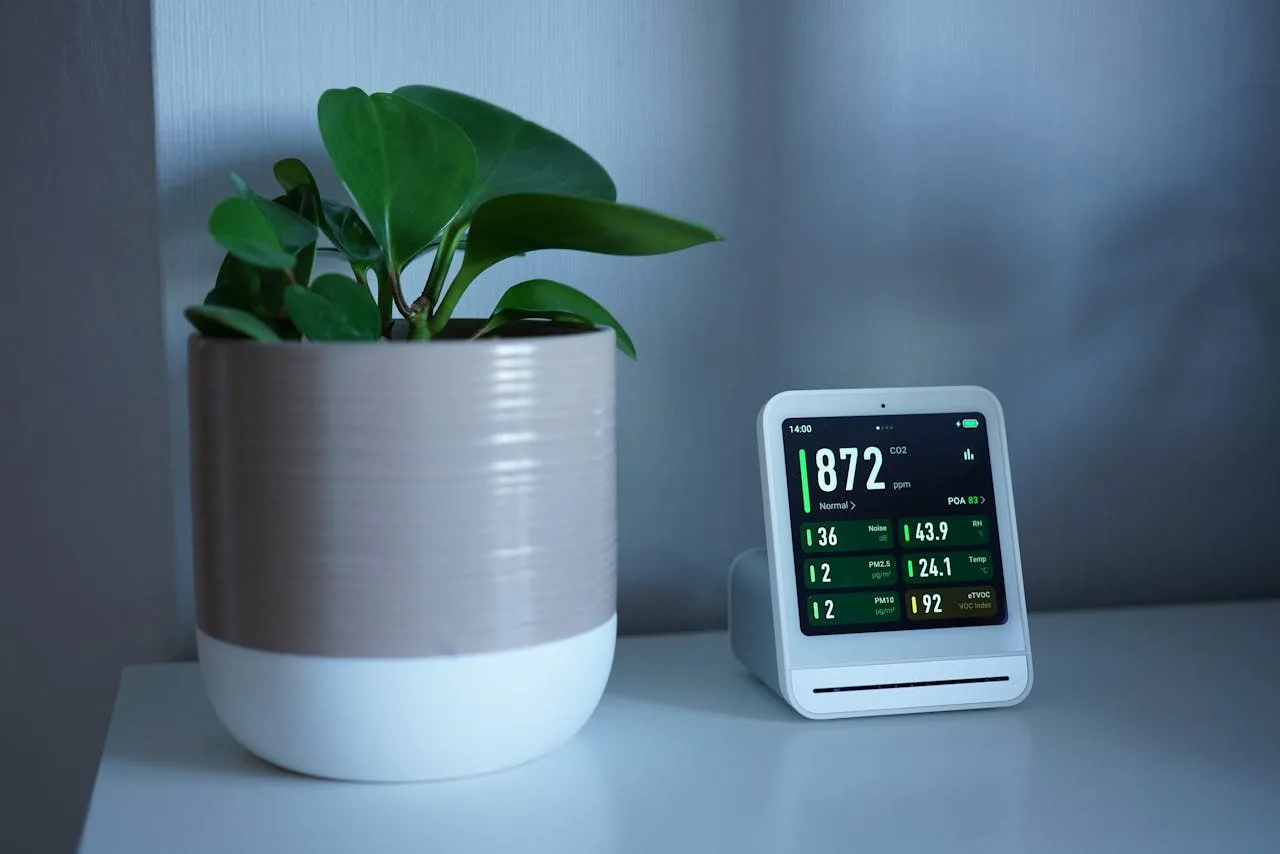
As smart buildings become more common, smart air management solutions are playing a huge role in modern infrastructure. Sensors and automated controls can now monitor air quality in real time, adjust ventilation and cooling systems based on occupancy and environmental conditions.
This shift toward data-driven building management allows property owners to maintain healthier indoor spaces while enhancing operational efficiency. It also supports sustainability goals by reducing unnecessary energy consumption.
For commercial properties, hospitality spaces, healthcare facilities, and educational institutions, maintaining superior indoor air quality is becoming both a functional necessity and a competitive advantage.
The Growing Importance of Clean Indoor Environments
Recently, global health awareness has encouraged people to think more carefully about the spaces they occupy every day. Clean, breathable air is no longer seen as a luxury feature; it is now considered an important part of healthy living.
From homes to large commercial buildings, the demand for better indoor air solutions will continue to rise as people prioritize wellness, comfort, and environmental responsibility. Businesses that invest in modern climate technologies and smarter ventilation strategies are better positioned to meet these evolving expectations.
Ultimately, indoor air quality is about more than comfort. It influences how people feel, work, and live every single day, making it one of the most important aspects of modern indoor spaces.