
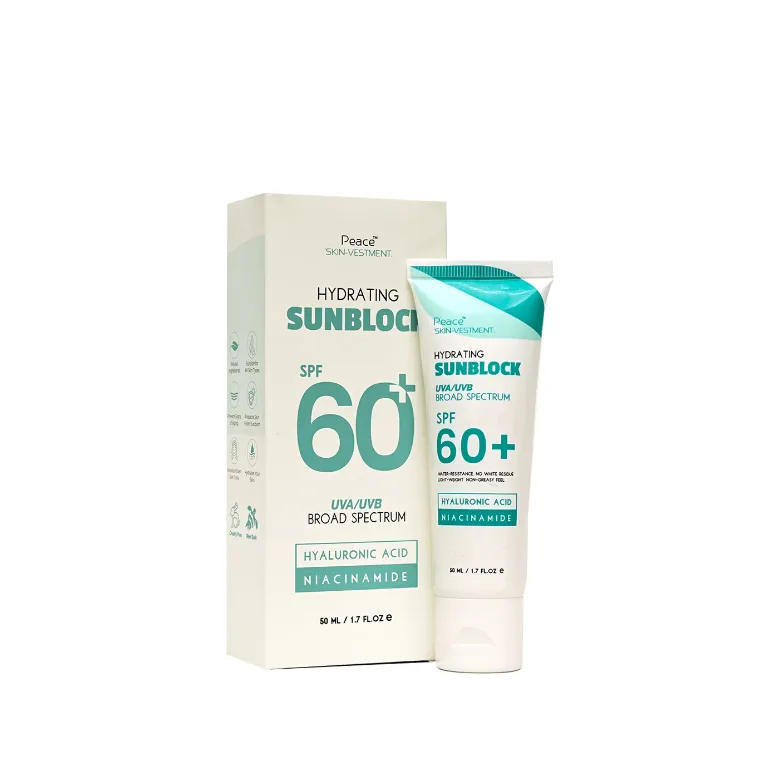
Sunblock SPF 60 for Strong Daily Sun Protection in Pakistan
Sunblock SPF 60 protects facial and body skin from ultraviolet radiation, sunburn, pigmentation, tanning, and premature aging. Broad-spectrum sunscreen formulas reduce ultraviolet penetration through chemical filters and mineral UV blockers that defend against environmental skin damage.
Pakistan experiences intense ultraviolet exposure during the summer months, especially in Lahore, Karachi, Multan, and Faisalabad. Temperatures above 40°C increase dehydration, sweat production, and pigmentation risk. Dermatologists identify SPF 60 sunscreen as effective for prolonged outdoor exposure because high-SPF formulas reduce UVB penetration significantly.
Why Sunblock SPF 60 Matters for Skin Protection
Sunblock SPF 60 reduces ultraviolet damage that contributes to pigmentation, wrinkles, and skin dehydration. Ultraviolet exposure weakens collagen fibers and accelerates visible skin aging.
Daily sunscreen use improves:
- Sunburn prevention
- Pigmentation control
- Skin tone balance
- Anti-aging support
- Barrier protection
- Tanning reduction
Clinical dermatology studies identify ultraviolet radiation as a primary cause of premature skin aging and hyperpigmentation. Broad-spectrum sunscreen formulas reduce cumulative environmental skin damage.
Understanding SPF 60 Protection
SPF 60 measures protection against UVB radiation that causes burning and redness. Higher SPF values increase UVB filtration efficiency during sun exposure.
UV Radiation Types
Radiation TypeMain Skin EffectUVA RaysWrinkles and agingUVB RaysSunburn and rednessMain Benefits of SPF 60
- Reduces UVB exposure significantly
- Supports prolonged outdoor protection
- Improves pigmentation prevention
- Reduces tanning formation
- Protects against environmental stress
Consumers in Pakistan increasingly purchase SPF 60 sunscreen because strong sunlight exposure affects skin hydration and texture throughout the year.
Key Ingredients in Sunblock SPF 60
Sunblock SPF 60 formulas contain ultraviolet filters and skin-conditioning ingredients that improve protection and hydration balance. Modern sunscreen products combine chemical absorbers and mineral blockers for broad-spectrum coverage.
Common Sunscreen Ingredients
- Zinc Oxide
- Titanium Dioxide
- Avobenzone
- Octocrylene
- Tinosorb S
Supporting Ingredients for Skin Comfort
IngredientMain FunctionHyaluronic AcidImproves hydrationAloe VeraReduces irritationNiacinamideSupports barrier functionVitamin EProvides antioxidant supportGlycerinRetains moistureExamples after sunscreen ingredient categories include gel sunscreen, matte sunscreen, and water-resistant SPF formulas.
Best Sunblock SPF 60 for Oily Skin
Gel-based sunscreen formulas reduce shine and absorb rapidly into oily skin. Excess sebum production increases during humid weather conditions common in Pakistan.
Features Suitable for Oily Skin
- Lightweight texture
- Oil-free formula
- Matte finish
- Fast absorption
- Non-comedogenic ingredients
Dermatology reports identify non-comedogenic sunscreen as beneficial for reducing pore blockage and acne formation.
Examples include sunscreen products from Neutrogena, La Roche-Posay, and Sunplay.
Best Sunblock SPF 60 for Dry Skin
Cream-based sunscreen products improve hydration while protecting against ultraviolet exposure. Dry skin loses moisture rapidly during heat exposure and prolonged outdoor activity.
Hydrating Ingredients for Dry Skin
- Ceramides
- Glycerin
- Hyaluronic acid
- Shea butter
- Squalane
Hydrating sunscreen formulas improve moisture retention and reduce skin tightness after sun exposure.
Examples include products from CeraVe, Cetaphil, and Bioderma.
Best Sunblock SPF 60 for Sensitive Skin
Sensitive skin requires fragrance-free and mineral-based sunscreen formulas. Harsh fragrance compounds and excessive alcohol concentrations increase irritation risk.
Recommended Ingredients for Sensitive Skin
- Zinc Oxide
- Titanium Dioxide
- Panthenol
- Aloe Vera
- Centella Asiatica
Ingredients That Increase Irritation
Ingredient TypeSkin EffectArtificial FragranceIncreases rednessHigh Alcohol LevelsCauses drynessStrong PreservativesTriggers irritationHeavy OilsIncreases congestionExcess Essential OilsRaises sensitivityExamples include sensitive skin sunscreen products from Aveeno, Bioderma, and La Roche-Posay.
Correct Way to Apply Sunblock SPF 60
Correct sunscreen application improves SPF performance and ultraviolet defense. Inadequate sunscreen quantity reduces protective coverage significantly.
Proper Sunscreen Application Routine
- Wash your facial skin thoroughly
- Apply moisturizer if required
- Use sunscreen 15 minutes before sun exposure
- Cover face, neck, and exposed areas completely
- Reapply every 2 hours outdoors
- Reapply after sweating or washing
If outdoor exposure continues beyond 2 hours, repeated sunscreen application maintains effective UV defense.
Common Sunscreen Mistakes
Incorrect sunscreen usage reduces ultraviolet protection and increases pigmentation risk. Daily UV exposure affects skin even during cloudy weather conditions.
Frequent Sunblock Errors
- Applying an insufficient quantity
- Ignoring neck and ears
- Skipping sunscreen indoors
- Using expired sunscreen
- Failing to reapply after sweating
Clinical sunscreen studies identify reduced SPF performance after excessive sweating and prolonged ultraviolet exposure.
Sunblock SPF 60 for Pakistani Weather Conditions
SPF 60 sunscreen supports daily protection in Pakistan’s high-temperature and high-UV climate. Lahore and the southern Punjab regions experience elevated ultraviolet index levels during the summer months.
Environmental Factors Affecting Skin
Climate FactorSkin ImpactHigh UV ExposureIncreases pigmentationHeat ExposureReduces hydrationPollutionIncreases oxidative stressDust AccumulationWeakens skin barrierHumidityIncreases oil productionConsumers in Lahore increasingly purchase broad-spectrum sunscreen because ultraviolet exposure remains high during most months of the year.
Difference Between Mineral and Chemical Sunscreen
Mineral sunscreen reflects ultraviolet radiation while chemical sunscreen absorbs UV energy. Sunscreen technology affects texture, finish, and skin compatibility.
Mineral Sunscreen Characteristics
- Contains zinc oxide
- Contains titanium dioxide
- Supports sensitive skin
- Produces a physical UV barrier
Chemical Sunscreen Characteristics
- Absorbs ultraviolet radiation
- Provides lightweight texture
- Blends rapidly into skin
- Supports transparent finish
Examples after sunscreen categories include gel sunscreen, matte sunscreen, and water-resistant sunblock formulas.
Sunblock Trends in Pakistan
High-SPF and broad-spectrum sunscreens dominate Pakistani skincare demand. Consumers increasingly purchase lightweight sunscreen formulas with hydration support and anti-pollution ingredients.
High-Demand Sunscreen Categories
- SPF 60 sunscreen
- Gel-based sunscreen
- Matte-finish sunblock
- Mineral sunscreen
- Water-resistant sunscreen
Online skincare product sales increased after 2023 because consumers gained wider access to dermatologist-approved sunscreen products and imported skincare brands.
Peace Skin Vestment provides authentic SPF 60 sunscreen products suitable for Pakistani weather conditions and high ultraviolet exposure.
Conclusion
Sunblock SPF 60 provides strong ultraviolet protection against pigmentation, tanning, and premature skin aging. Broad-spectrum sunscreen formulas support healthier skin maintenance in Pakistan’s hot and high-UV climate conditions.
Consumers in Lahore and across Pakistan increasingly purchase sunscreen products containing zinc oxide, niacinamide, hyaluronic acid, and antioxidant compounds because these ingredients improve protection and hydration balance. Order authentic SPF 60 sunscreen products from trusted platforms like Peace Skin Vestment for effective ultraviolet protection and healthier skin care maintenance.
FAQ Section
How does Sunblock SPF 60 protect skin?
Sunblock SPF 60 reduces ultraviolet penetration that causes sunburn, pigmentation, and premature aging. Broad-spectrum formulas support daily environmental protection.
What sunscreen works best for oily skin in Pakistan?
Gel-based and matte-finish sunscreen formulas perform effectively for oily skin because they reduce shine and absorb rapidly. Lightweight textures suit humid weather conditions.
Why do dermatologists recommend daily sunscreen use?
Daily sunscreen use reduces cumulative ultraviolet damage and supports long-term skin protection. Consistent SPF application improves pigmentation management and anti-aging support.
How often does sunscreen reapplication improve protection?
Sunscreen reapplication every 2 hours maintains effective ultraviolet defense during outdoor exposure. Sweat and washing reduce SPF coverage over time.
What ingredients improve hydration in sunscreen formulas?
Hyaluronic acid, glycerin, ceramides, and aloe vera improve moisture retention during sun exposure. Hydrating ingredients support smoother skin texture.