Best braces aligners Lahore treatments correct crowded teeth, bite irregularities, and jaw alignment problems through controlled orthodontic tooth movement. Orthodontic systems improve dental positioning, chewing balance, speech clarity, and smile symmetry.
What Are Braces Aligners?
Braces aligners reposition teeth through gradual mechanical pressure and digital orthodontic planning. Orthodontists use aligners and braces to correct malocclusion, spacing, and crowding.
Orthodontic appliances commonly treat:
- Crowded teeth
- Overbite
- Underbite
- Crossbite
- Open bite
- Midline discrepancies
Clear aligners and braces move teeth through bone remodeling and periodontal ligament adaptation.
According to orthodontic research, clear aligner therapy effectively treats mild to moderate malocclusion cases through sequential tooth movement systems.
Types of Braces and Aligners
Orthodontic treatments include metal braces, ceramic braces, lingual braces, and clear aligners. Treatment selection depends on alignment complexity, aesthetic preference, and bite condition.
Metal Braces
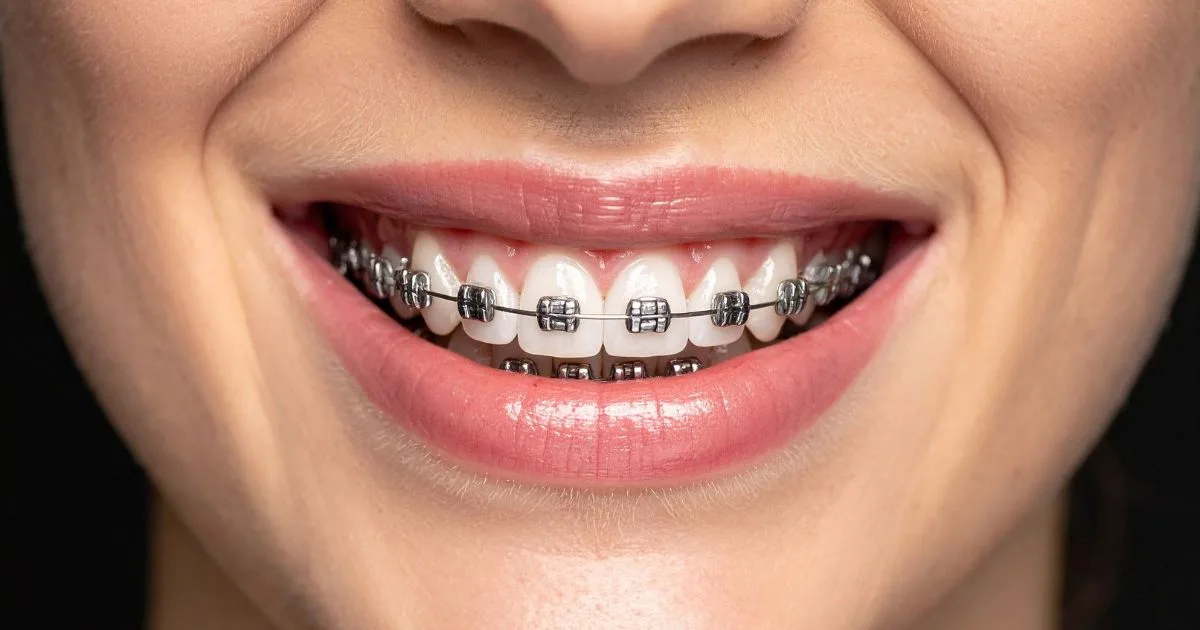
Metal braces use stainless steel brackets and archwires to reposition teeth. Orthodontists adjust wire tension periodically to guide tooth movement.
Metal braces commonly treat:
- Severe crowding
- Deep overbite
- Complex malocclusion
- Rotated teeth
Modern metal braces use smaller brackets and low-friction wire systems.
Ceramic Braces
Ceramic braces provide tooth-colored orthodontic correction with reduced visibility. Ceramic brackets blend with natural enamel shades.
Ceramic systems commonly treat:
- Moderate crowding
- Cosmetic orthodontic concerns
- Adult orthodontic cases
Lingual Braces
Lingual braces attach behind teeth for concealed orthodontic treatment. Internal bracket placement reduces appliance visibility during speech and smiling.
Clear Aligners
Clear aligners reposition teeth using transparent removable trays. Digital treatment planning controls staged tooth movement.
Clear aligners commonly treat:
- Mild spacing
- Moderate crowding
- Minor bite irregularities
- Cosmetic alignment issues
How Clear Aligners Work
Clear aligners move teeth through sequential plastic trays customized to digital scans. Each aligner stage applies controlled pressure on targeted teeth.
The treatment process commonly includes:
- Digital oral scanning
- Three-dimensional treatment planning
- Custom tray fabrication
- Sequential aligner replacement
Patients commonly replace aligners every 1 to 2 weeks according to treatment progression.
Benefits of Braces and Aligners
Orthodontic treatment improves tooth positioning, bite stability, and oral hygiene access. Proper alignment reduces abnormal chewing forces and plaque retention.
Major orthodontic benefits include:
- Improved smile symmetry
- Better chewing efficiency
- Reduced tooth crowding
- Enhanced oral hygiene
- Corrected bite alignment
Aligned teeth improve flossing accessibility and reduce food retention between teeth.
Common Orthodontic Problems
Orthodontic irregularities affect bite balance and dental function. Misaligned teeth increase uneven pressure distribution during chewing.
Crowded Teeth
Crowded teeth develop when insufficient jaw space restricts proper eruption alignment. Crowding commonly affects lower incisors and upper canines.
Overbite
Overbite occurs when upper front teeth excessively overlap lower teeth. Severe overbite increases enamel wear and jaw strain.
Crossbite
Crossbite develops when upper teeth bite inside lower teeth. Crossbite irregularities affect chewing symmetry and jaw positioning.
Open Bite
Open bite prevents complete contact between upper and lower teeth during closure. Tongue thrusting and skeletal irregularities commonly contribute to open bite formation.
Clear Aligners vs Traditional Braces
Clear aligners provide removable orthodontic treatment, while traditional braces remain fixed to teeth. Treatment complexity and compliance influence appliance selection.
Orthodontic SystemMain FeatureClear AlignersRemovable transparent traysMetal BracesFixed stainless steel bracketsCeramic BracesTooth-colored bracketsLingual BracesHidden internal bracketsClear aligners improve aesthetic appearance during orthodontic treatment.
Orthodontic Consultation and Diagnosis
Orthodontic consultation identifies bite irregularities and treatment requirements through clinical examination and imaging. Digital diagnostics improve treatment precision and tooth movement planning.
Diagnostic procedures include:
- Digital panoramic X-rays
- Cephalometric analysis
- Intraoral scanning
- Bite evaluation
- Photographic records
Cephalometric radiographs evaluate jaw relationships and skeletal positioning.
Treatment Duration for Braces and Aligners
Orthodontic treatment duration commonly ranges between 6 and 24 months depending on malocclusion severity. Complex skeletal irregularities generally require longer treatment periods.
Factors affecting treatment duration include:
- Tooth rotation severity
- Crowding intensity
- Patient compliance
- Jaw relationship complexity
- Appliance type
Minor cosmetic alignment commonly resolves faster than severe bite correction.
Oral Hygiene During Orthodontic Treatment
Orthodontic appliances increase plaque retention around brackets and aligners. Structured oral hygiene reduces cavity and gingival inflammation risk.
Important oral hygiene measures include:
- Brush after meals
- Floss daily
- Clean aligners regularly
- Reduce sugary snacks
- Attend routine checkups
Orthodontic wax reduces irritation caused by bracket friction.
Foods to Avoid With Braces
Hard and sticky foods increase bracket damage and wire distortion risk. Dietary modification protects orthodontic appliances during treatment.
Foods commonly restricted include:
- Hard candies
- Popcorn kernels
- Sticky caramel
- Chewing gum
- Ice cubes
Soft foods reduce chewing stress after orthodontic adjustments.
Technologies Used in Modern Orthodontics
Modern orthodontics uses digital imaging and computer-guided treatment planning for precision tooth movement. Advanced technologies improve alignment predictability and appliance accuracy.
Technologies commonly used include:
- Digital intraoral scanners
- Three-dimensional treatment simulation
- CAD/CAM aligner fabrication
- Digital cephalometric analysis
- CBCT imaging
Digital scanning eliminates conventional impression materials in aligner fabrication.
Recovery and Adjustment After Orthodontic Tightening
Mild pressure and sensitivity commonly occur after orthodontic adjustments or aligner changes. Temporary discomfort indicates active tooth movement.
Common adjustment symptoms include:
- Mild chewing discomfort
- Pressure sensation
- Tooth tenderness
Orthodontic discomfort commonly decreases within 3 to 5 days after adjustments.
Why Patients Choose Braces Aligners in Lahore
Dental clinics in Lahore provide orthodontic treatment using digital diagnostics and customized alignment systems. Orthodontic care combines functional correction with aesthetic improvement.
Dental Avenue provides orthodontic consultation, digital scanning, and customized braces aligners treatment through structured clinical planning.
Book an Appointment for Orthodontic Consultation
Orthodontic consultation identifies alignment irregularities and treatment objectives. Dentists and orthodontists evaluate tooth positioning through imaging and digital analysis.
Patients commonly schedule consultations for:
- Crooked teeth
- Bite correction
- Smile alignment
- Clear aligner treatment
- Orthodontic crowding
Early orthodontic evaluation improves treatment planning and alignment efficiency.
Conclusion
Best braces aligners Lahore treatments correct tooth alignment and bite irregularities through structured orthodontic systems and digital planning technologies. Clear aligners, ceramic braces, and metal orthodontic appliances improve smile aesthetics, oral hygiene access, and long-term dental function.
Frequently Asked Questions
What are clear aligners made of?
Clear aligners consist of transparent medical-grade thermoplastic materials designed for staged tooth movement.
How long does braces treatment require?
Orthodontic treatment commonly requires 6 to 24 months, depending on alignment severity and appliance type.
Why do teeth feel sore after aligner changes?
Tooth soreness develops because aligners apply controlled orthodontic pressure on periodontal ligaments.
What foods damage braces?
Hard foods, sticky candies, chewing gum, and popcorn kernels increase bracket and wire damage risk.
How often are aligners replaced?
Patients commonly replace aligners every 1 to 2 weeks according to orthodontic treatment progression.
Why do orthodontists recommend early treatment?
Early orthodontic treatment improves jaw development monitoring and reduces severe alignment complications.