
Planning a Rinjani hiking tour is one of the most exciting decisions an outdoor traveler can make. Mount Rinjani on the island of Lombok, Indonesia, is not just a mountain — it is a full sensory experience that combines volcanic landscapes, sacred crater lakes, steaming hot springs, and some of the most dramatic views in all of Southeast Asia. But like any serious mountain adventure, arriving well-prepared makes the difference between a journey you cherish and one you simply survive. Before you lace up your boots and hit the trail, here is everything you need to know to make your Rinjani hiking tour safe, enjoyable, and truly unforgettable.
Understanding What a Rinjani Hiking Tour Actually Involves
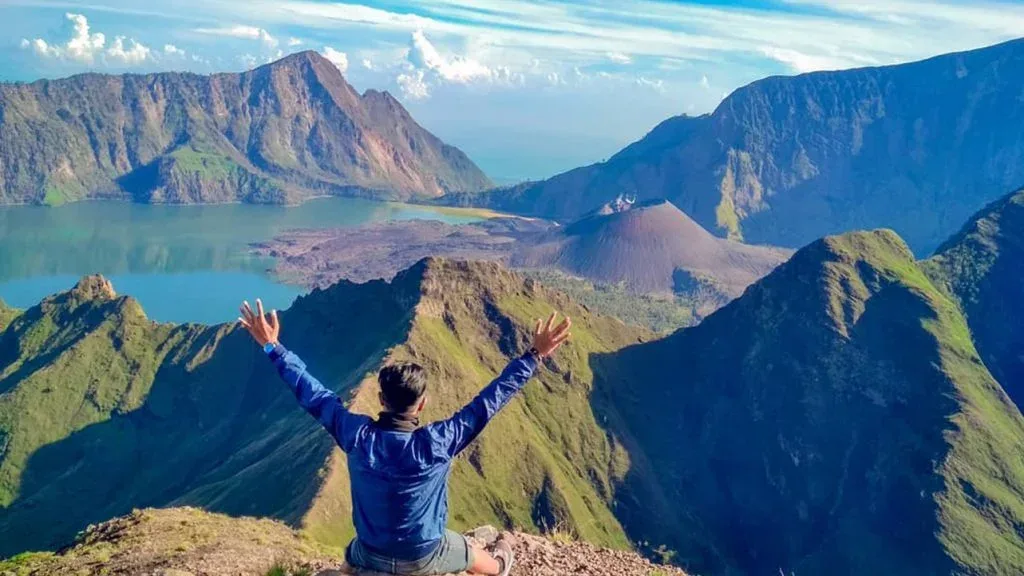
Many first-time visitors underestimate Rinjani. This is not a casual day hike — it is a multi-day expedition on an active volcano that reaches 3,726 meters at its highest point. A standard Rinjani hiking tour lasts between two and four days depending on your chosen route and goals. You will be sleeping in tents on the mountain, trekking for six to eight hours on active days, and dealing with significant changes in altitude and temperature. The trails pass through tropical forest, open ridge lines, and volcanic terrain before reaching the iconic crater rim with its sweeping views over Segara Anak Lake. Understanding the nature of the challenge from the start allows you to prepare properly and enjoy the experience fully.
Choosing the Right Tour for Your Fitness and Goals
No two trekkers arrive at Rinjani with exactly the same fitness level, experience, or expectations, which is why choosing the right type of tour matters enormously. If your primary goal is to experience the crater lake and hot springs without pushing to the summit, a three-day tour entering from Senaru or Sembalun is a wonderful and achievable option. If standing on the true summit at 3,726 meters is your ambition, a four-day summit tour gives you the time and structure to attempt it safely. For those who prefer a private, fully customized Rinjani Hiking Tour, local operators can tailor the route, pace, and itinerary around your specific needs. Being honest with yourself about your fitness and experience level before booking is the single most important decision you will make.
The Best Time to Go on a Rinjani Hiking Tour
Timing your Rinjani hiking tour correctly is critical. The mountain sits in a tropical climate and has a distinct wet season that makes trekking dangerous and, at times, impossible. The official trekking season runs from April through to November, when the trails are dry, the skies are clearer, and the views from the crater rim are at their most spectacular. July and August attract the highest number of trekkers due to school holidays and favorable weather, so if you prefer quieter trails, consider visiting in April, May, or early November. The mountain is officially closed from December to March due to heavy rainfall and the risk of landslides, so planning your visit within the trekking season is non-negotiable.
What to Pack for Your Rinjani Hiking Tour
Packing smartly for a Rinjani hiking tour means balancing preparation with practicality, since everything you bring beyond what your operator provides will be carried on your back or by your porter. Warm layers are essential — nights on the crater rim drop close to freezing even during the dry season, and many trekkers are caught off guard by how cold it gets at altitude. A quality pair of broken-in hiking boots with ankle support is non-negotiable on Rinjani's rocky and sometimes slippery trails. Other essentials include a headlamp with spare batteries for early morning summit attempts, sunscreen and sunglasses for the exposed ridge sections, a good rain jacket, and a refillable water bottle. Most reputable operators supply tents, sleeping bags, and meals, but always confirm what is included before you arrive.
The Role of Guides and Porters on Your Tour
One of the most important and often overlooked aspects of a Rinjani hiking tour is the team of local guides and porters who make the whole experience possible. Certified guides do far more than lead the way — they monitor weather conditions, manage emergencies, share knowledge about the mountain's ecology and cultural significance, and keep the group moving safely through challenging terrain. Porters carry the heavy camp equipment and supplies, allowing trekkers to focus on the trail rather than the weight on their back. Hiring through a licensed local operator ensures your team is properly trained, fairly compensated, and officially registered with the Rinjani National Park authority — all of which matters for both your safety and the sustainability of the mountain.
Start Your Rinjani Hiking Tour with the Right Operator
Everything about a great Rinjani hiking tour begins with choosing an operator you can trust. The right team handles your permits, prepares your equipment, assigns experienced guides, and supports you from your first step on the trail to your last. Muji Trekker is a locally based operator with deep expertise across every Rinjani route, built on years of guiding trekkers of all experience levels safely up and down the mountain. Visit mujitrekker.com to explore tour options, get answers to your questions, and book the Rinjani adventure that is right for you. The mountain is waiting — make sure you are ready to meet it.