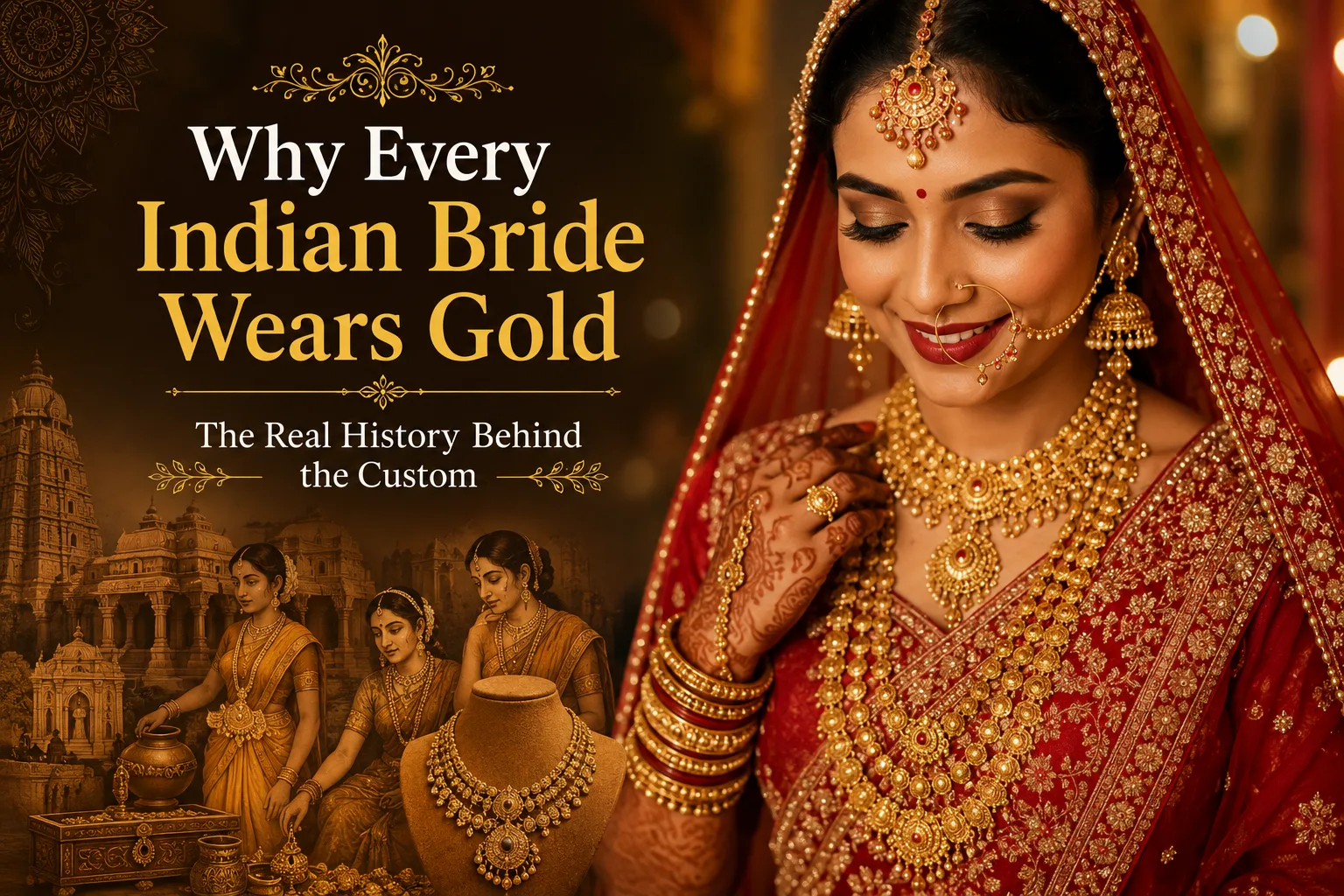
Walk into any Indian wedding and gold is impossible to miss. It sits on the bride's neck, wrists, ears, and hair, often layered piece over piece. This isn't a modern trend or a display of wealth alone. It's a custom rooted in centuries of history, culture, and belief.
Gold as a Symbol of Prosperity
In ancient India, gold was considered a direct representation of the Sun and, by extension, life-giving energy. Vedic texts often referred to gold as a symbol of purity and immortality. Wearing it during a wedding, one of life's most significant transitions, was believed to invite prosperity and good fortune into the couple's new life together.
This belief has stayed remarkably consistent over thousands of years, even as jewellery styles and techniques have evolved. Today, that same sentiment leads many brides-to-be to buy gold rings online, seeking pieces that carry forward the same promise of prosperity in a more convenient way.
A Practical Form of Security
Beyond spirituality, gold historically served a very practical purpose. In a time when women had limited legal rights over property or inheritance, gold jewellery became a form of personal wealth that belonged entirely to the bride. It offered financial security that could be relied upon during difficult times, independent of her husband's or family's finances.
This is part of why bridal gold sets were, and still are, so elaborate. They weren't just ornaments. They were a safety net.
Regional Traditions Shaped Bridal Gold
India's diversity means bridal gold customs vary significantly by region. South Indian weddings often feature temple jewellery inspired by ancient sculptures. Bengali brides traditionally wear intricately designed gold pieces alongside red and white bangles. North Indian ceremonies frequently include elaborate maang tikkas and layered necklaces.
Despite these regional differences, one thing remains constant: gold's central role in bridal adornment. Even today, when a woman thinks about her wedding jewellery, gold necklace designs inspired by these traditions are almost always at the top of the list, chosen for both their symbolic weight and their ability to be worn long after the wedding day.
Modern Brides, Timeless Choices
Today's brides are reinterpreting these traditions rather than abandoning them. Many now compare designs and prices from home before making a final decision. This shift reflects how convenience has entered even the most tradition-bound purchases.
Earrings have followed a similar path. Brides who once relied solely on in-store visits now frequently choose to buy gold earrings online, drawn by the wider selection of designs and the ability to browse at their own pace without pressure.
Gold as an Emotional Inheritance
Bridal gold often carries emotional weight that goes beyond its market value. Many pieces are passed down from mothers and grandmothers, carrying family history within their design. Even newly purchased pieces are often intended to become future heirlooms, continuing a cycle that has repeated for generations.
This emotional layer is part of why gold remains irreplaceable in Indian weddings, even as lifestyles modernise and preferences shift toward more contemporary designs.
The Custom Continues
The reasons behind this tradition have evolved. What began as a blend of spiritual belief and financial protection has grown to include personal style, family legacy, and self-expression. Yet the core idea remains unchanged: gold marks a significant new beginning.
As more brides explore digital platforms to plan their wedding jewellery, the way they shop has changed, but the meaning behind the gold has not.
Brands like Jos Alukkas continue to honour this legacy, offering bridal collections that blend traditional craftsmanship with designs suited for the modern Indian bride.