Reimagining Dropshipping: A 2026 Snapshot
In the bustling world of ecommerce, dropshipping has undergone a significant transformation by May 2026. Once criticized for oversaturation and quality control issues, the model is now experiencing a renaissance fueled by technological advancements, evolving consumer expectations, and strategic shifts among sellers. Imagine a global marketplace where real-time AI-driven inventory management links seamlessly with hyperlocal warehouses, enabling sellers to promise delivery times once thought impossible for dropshipping. This scene is no longer hypothetical—it’s unfolding today.
According to industry estimates, the global dropshipping market has grown to over $160 billion in 2025, marking a compound annual growth rate (CAGR) of roughly 11% from 2021. This surge reflects not only increased adoption by entrepreneurs but also the entry of sophisticated SaaS platforms that empower sellers with advanced analytics, automated marketing tools, and integrated supplier networks. Key players such as Shopify and BigCommerce have expanded their dropshipping ecosystems substantially, while emerging platforms offer niche specialization and AI-enhanced personalization.
"Dropshipping in 2026 is no longer about low-cost, low-effort sales; it’s about strategic partnerships, quality assurance, and leveraging technology to build brand trust," notes ecommerce analyst Maria Chen.
As this article explores, the dropshipping landscape today is defined by a balancing act: maintaining low overhead and flexibility while addressing the historical drawbacks that once plagued the model. This multi-dimensional evolution has implications for sellers, suppliers, consumers, and the broader ecommerce ecosystem.
From Origins to Evolution: How Dropshipping Got Here
Dropshipping’s roots trace back to the early 2000s, blossoming alongside the rise of ecommerce giants and DIY online store builders. The early appeal was simple: minimal upfront capital, no inventory risk, and global reach. Sellers could list products from third-party suppliers and only purchase inventory after customer payment. However, as the model matured, challenges surfaced.
By the late 2010s and early 2020s, the market became flooded with sellers competing on price for increasingly commoditized products, often sourced from limited supplier pools concentrated in regions like China. This led to long shipping times, quality inconsistencies, and a proliferation of negative customer experiences. The reputation of dropshipping took a hit, with many consumers equating it to unreliable or low-quality shopping.
However, this period also sparked innovation. SaaS providers started integrating supply chain data, enabling sellers to vet suppliers and track shipments with greater accuracy. New business models emerged, including hybrid inventory systems and private-label dropshipping, where sellers curate and brand products rather than selling generic items.
Moreover, the pandemic years accelerated ecommerce adoption and forced sellers to innovate rapidly. A renewed focus on local sourcing and faster fulfillment began to reshape dropshipping’s operational framework. By 2024, dropshipping was no longer just a beginner’s entry point into ecommerce but a sophisticated channel within omnichannel strategies.
Logistics expert Daniel Rivera observes, "The shift from pure price competition to value-added services and branding has been pivotal. Dropshipping now incorporates elements of traditional retail and direct-to-consumer models."
The Data Behind Dropshipping’s 2026 Surge
Concrete numbers reveal the depth and breadth of dropshipping’s transformation. Statista data shows that in 2026, dropshipping accounts for nearly 22% of all ecommerce sales worldwide, up from 15% in 2022. This growth is underpinned by several measurable trends:
- Supplier Network Expansion: The number of vetted dropshipping suppliers integrated into major platforms has increased by 45% since 2023, driven by partnerships across Southeast Asia, Europe, and North America.
- Faster Fulfillment Times: Average delivery times for dropshipped goods have halved, from 14 days in 2022 to 7 days in 2026, thanks to distributed warehousing and AI-driven route optimization.
- Technology Adoption: Over 60% of dropshippers now use AI-powered inventory forecasting and customer engagement tools, reducing stockouts and enhancing conversion rates.
- Niche Market Penetration: Specialized dropshipping is capturing 30% of the market share, focusing on categories such as eco-friendly products, health tech gadgets, and customizable apparel.
These figures underscore a shift from indiscriminate mass-market tactics to targeted, data-driven approaches. Sellers increasingly leverage customer data to tailor offerings and marketing, creating personalized experiences that mimic direct-to-consumer brands.
Moreover, sustainability has become a key metric. Dropshipping companies adopting eco-conscious packaging and carbon-neutral shipping options report a 20% higher customer retention rate, reflecting consumer demand for responsible ecommerce practices.
2026 Highlights: Innovations Reshaping Dropshipping Today
Several noteworthy developments define dropshipping in May 2026. One major trend is the integration of AI and machine learning at every stage of the process. From supplier matchmaking algorithms that assess reliability and delivery performance, to dynamic pricing models that adjust in real time based on demand and competitor activity, technology drives efficiency like never before.
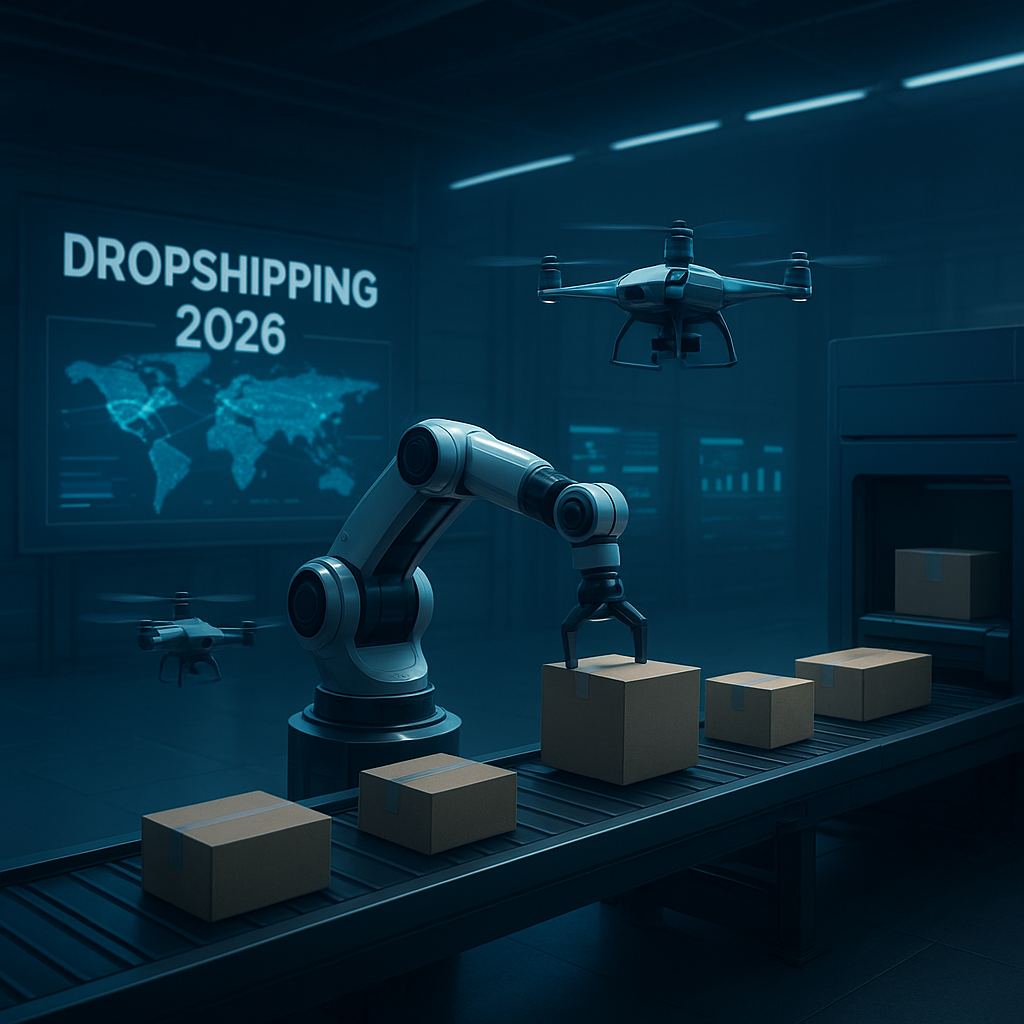
Another critical development is the rise of hyperlocal dropshipping hubs. These micro-fulfillment centers, often automated and robotized, enable sellers to stock popular items closer to end consumers without the burden of traditional inventory costs. This model reduces shipping times and returns rates significantly.
Additionally, dropshipping platforms now prioritize quality control through blockchain-enabled transparency. Consumers can trace the origin, manufacturing standards, and shipping journey of their orders, fostering trust and reducing disputes. This transparency also benefits sellers by reducing fraud and chargebacks.
From a marketing perspective, social commerce has become inseparable from dropshipping success. Influencer partnerships, live shopping events, and AI-driven content creation tools empower sellers to engage audiences directly through platforms like TikTok, Instagram, and emerging metaverse marketplaces.
These developments align with broader ecommerce trends, as detailed in Rethinking Dropshipping: The Quiet Revolution Transforming Ecommerce, which highlights the transition from transactional models to relationship-driven commerce.
Expert Voices and Industry Impact
Industry experts emphasize that dropshipping’s resurgence hinges on strategic differentiation and ecosystem maturity. Sarah Patel, founder of a leading dropshipping consultancy, explains:
"The 2026 dropshipping seller must be a hybrid—part marketer, part supply chain manager, part customer experience architect. Success depends on mastering these domains simultaneously rather than relying on low prices alone."
Meanwhile, platforms are evolving from mere marketplaces to end-to-end service providers. Shopify’s latest dropshipping suite, unveiled in early 2026, includes AI-driven supplier vetting, automated branding tools, and integrated logistics dashboards. Such offerings reduce friction and empower sellers to scale efficiently.
The industry impact is also felt by traditional retailers. As dropshipping lowers barriers and accelerates product turnover, legacy stores are forced to innovate faster, adopting hybrid inventory models and omnichannel strategies to stay competitive.
According to a recent report by ecommerce research group Forrester, 40% of traditional retailers have integrated dropshipping elements into their fulfillment networks by 2026, recognizing its value in expanding product assortments without capital investment.
TheOmniBuzz’s Mastering Dropshipping: A Strategic Blueprint for Ecommerce Success offers an in-depth exploration of these evolving seller competencies and platform partnerships shaping the market.
Future Horizons: What to Watch in Dropshipping Beyond 2026
Looking forward, several dynamics will influence dropshipping’s trajectory. Sustainability pressures will intensify, demanding further innovations in eco-friendly logistics and circular supply chains. Advances in robotics and drone delivery may redefine last-mile fulfillment, enabling even faster and more flexible shipping.
Artificial intelligence will deepen its role, moving beyond operational efficiencies to predictive merchandising and autonomous customer service. Sellers able to harness these tools for personalized shopping experiences will gain competitive advantage.
Regulatory environments will also shape dropshipping’s future. Increasing scrutiny on cross-border ecommerce, consumer protection standards, and data privacy necessitate compliance agility from sellers and platforms alike.
Entrepreneurs should monitor these developments closely and invest in skills and technologies that enhance transparency, reliability, and customer engagement. Dropshipping will likely evolve into a hybridized model, blending traditional inventory control with on-demand sourcing and fulfillment.
- Embrace AI and automation: Leveraging predictive analytics and automated workflows will be critical for scaling.
- Prioritize quality and transparency: Building trust through verified suppliers and visible supply chains will differentiate brands.
- Invest in niche specialization: Deep knowledge of customer segments and unique product offerings will reduce price competition.
- Prepare for regulatory shifts: Stay informed on ecommerce laws and data policies globally.
- Leverage omnichannel integration: Combine dropshipping with owned inventory and physical retail for resilience.
As dropshipping matures, it offers not just a business model but a dynamic ecosystem that can adapt to changing market realities. This evolution is a testament to the resilience and creativity of ecommerce entrepreneurs navigating the complexities of 2026 and beyond.