
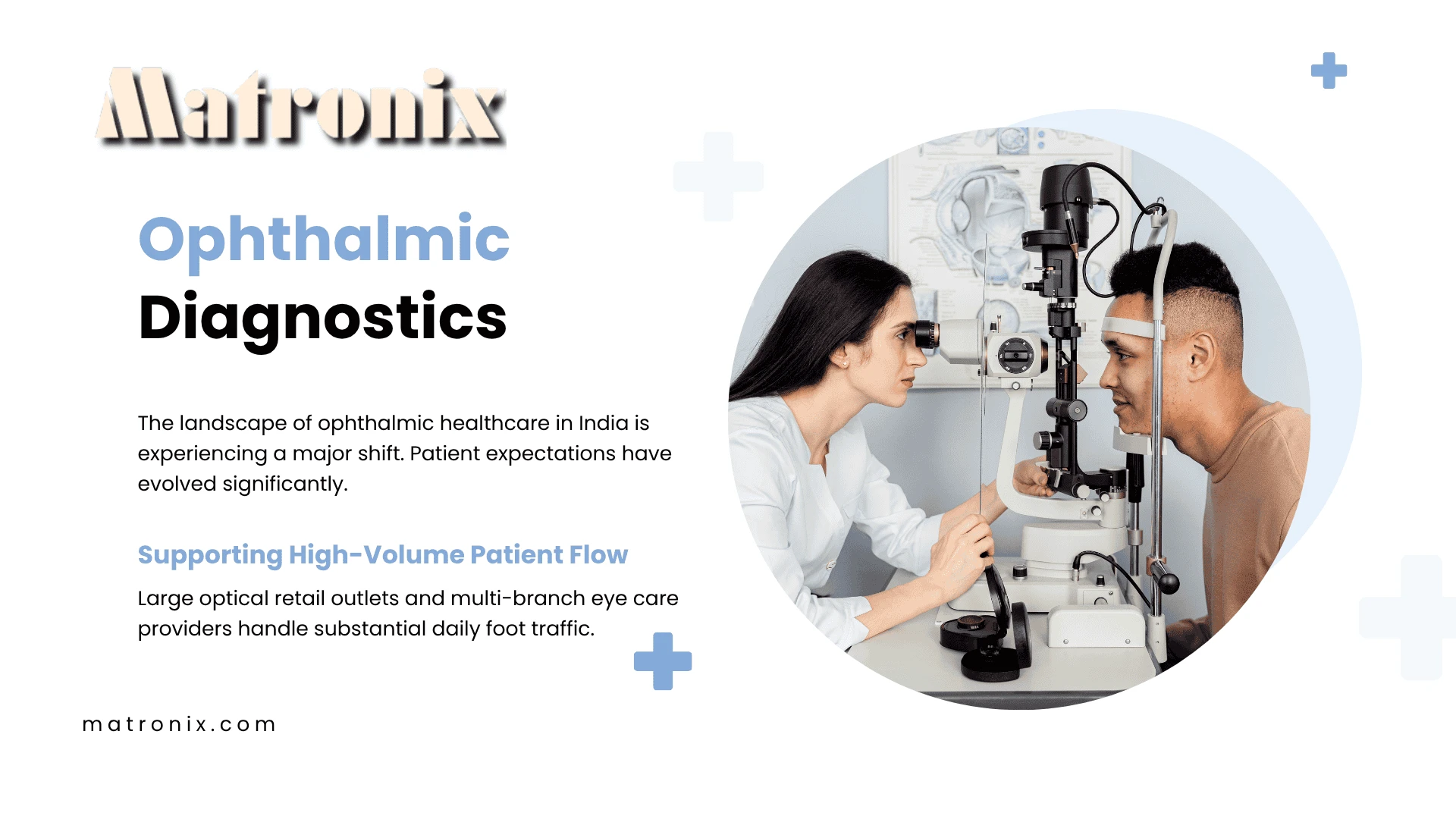
Vision testing is a cornerstone of effective eye care, supporting accurate diagnosis, timely intervention, and long-term eye health management. While innovation and technology continue to transform eye care practices, one fundamental principle remains unchanged: consistency. Consistent vision testing methods play a crucial role in ensuring reliable results and delivering better outcomes for patients across all age groups.
Understanding the Importance of Consistency in Eye Care
Consistency in vision testing refers to using standardized procedures, reliable tools, and uniform testing conditions across patient visits. When eye examinations follow a consistent approach, clinicians can accurately monitor vision changes over time.
Inconsistent testing methods can introduce variations that make it difficult to distinguish between true vision changes and testing-related discrepancies. Consistency ensures that results reflect the patient’s actual visual condition rather than procedural differences.
Reliable Data for Accurate Diagnosis
Accurate diagnosis depends heavily on reliable data. When vision tests are conducted consistently, clinicians can compare results from previous visits with confidence.
Reliable data allows eye care professionals to identify subtle changes in vision that may indicate the early stages of eye conditions. Without consistent testing, these changes may go unnoticed or be misinterpreted, delaying appropriate care.
Supporting Long-Term Vision Monitoring
Many vision conditions develop gradually, making long-term monitoring essential. Consistent vision testing enables clinicians to track progression accurately and adjust treatment plans as needed.
Whether monitoring refractive errors, age-related vision changes, or overall visual performance, consistency ensures that trends are clear and actionable. This is especially important for patients who require regular follow-ups.
Reducing Errors and Variability
Variability in testing methods can lead to measurement errors and inconsistent outcomes. Differences in equipment calibration, examiner technique, or testing environments can all affect results.
Standardized testing procedures help minimize these variables. Using dependable tools and uniform protocols reduces the risk of errors and improves overall test reliability.
Enhancing Patient Trust and Confidence
Patients expect dependable and professional care when visiting an eye clinic. Consistent vision testing builds trust by providing predictable and understandable results.
When patients see stable and logical progression in their test outcomes, they are more likely to trust the diagnosis and follow recommended treatments. Consistency also reassures patients that their eye health is being monitored accurately over time.
Improving Clinical Efficiency
Consistency in testing workflows improves efficiency within eye care practices. Standardized procedures reduce confusion, shorten examination time, and simplify staff training.
Efficient workflows allow clinics to manage higher patient volumes without compromising care quality. Staff can focus more on patient interaction and consultation rather than troubleshooting inconsistencies in testing results.
Supporting Preventive Eye Care
Preventive eye care relies on early detection and routine monitoring. Consistent vision testing makes it easier to identify small changes before they develop into serious issues.
By maintaining uniform testing standards, clinicians can implement preventive strategies more effectively. Early intervention often leads to better outcomes and reduced long-term treatment costs for patients.
The Role of Standardized Tools
Standardized tools play a key role in achieving consistency. A reliable instrument for examining the eye ensures that measurements are repeatable and accurate across different testing sessions.
When clinics rely on dependable tools and calibrated systems, they can maintain consistent diagnostic quality regardless of patient volume or examiner experience.
Adapting Consistency in Modern Eye Care Settings
Modern eye care settings are increasingly busy and technologically advanced. While adopting new technologies is important, maintaining consistency in how these tools are used is equally critical.
Clear protocols, regular calibration, and ongoing staff training help ensure that advanced tools deliver consistent results. This balance between innovation and standardization supports high-quality eye care.
Preparing for Future Eye Care Challenges
As visual demands continue to increase due to digital lifestyles and aging populations, the need for reliable eye care will only grow. Consistency in vision testing prepares clinics to meet future challenges by establishing strong diagnostic foundations.
Clinics that prioritize consistency are better equipped to handle growing patient needs while maintaining accuracy and trust.
Conclusion
Consistency in vision testing is essential for delivering better eye care. It ensures reliable data, supports accurate diagnosis, enhances patient trust, and improves clinical efficiency. By maintaining standardized procedures and dependable tools, eye care providers can offer high-quality, long-term vision care that meets the evolving needs of modern patients.