Choosing the right cooling equipment is important for maintaining comfortable indoor spaces, protecting sensitive equipment, and controlling energy consumption. Modern air conditioning systems are designed to provide reliable temperature management while offering improved efficiency and convenient operation. For homes, offices, retail spaces, hotels, and industrial facilities, selecting suitable equipment and working with experienced suppliers can make a significant difference in long-term performance.
When searching for dependable Carrier Suppliers And Dealers In UAE, customers generally look for product availability, technical knowledge, installation support, maintenance services, and genuine equipment. A professional supplier can help customers understand different cooling options and select a system that matches the size, purpose, and operating requirements of a property.
Wide Range of Cooling Solutions
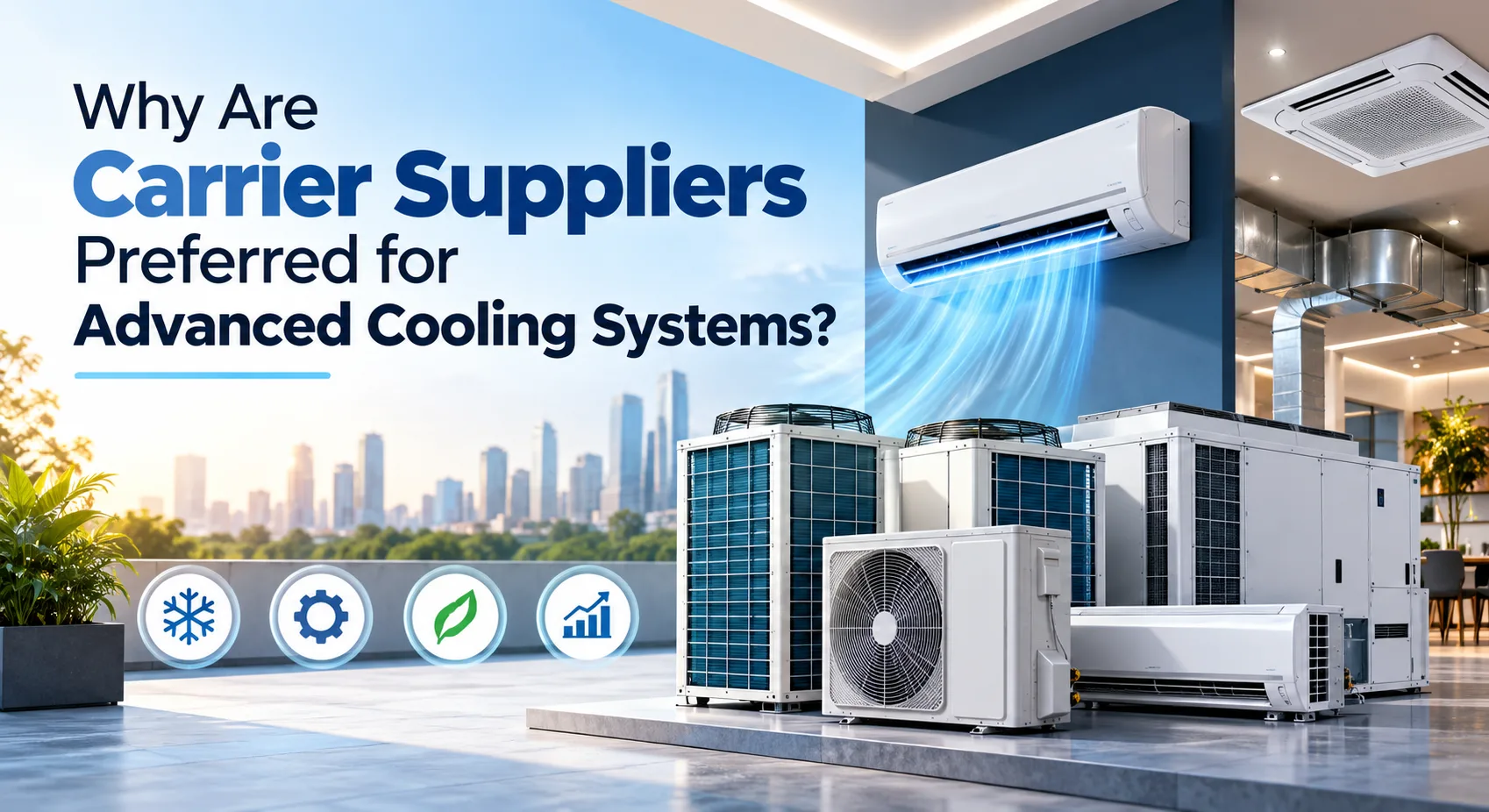
One major advantage of working with established cooling equipment suppliers is access to different types of air conditioning systems. Depending on the application, customers may require split air conditioners, ducted systems, packaged units, or larger commercial cooling solutions.
Residential properties often need compact and energy-efficient systems that can provide consistent comfort without taking up excessive space. Commercial buildings may require more powerful solutions capable of maintaining comfortable temperatures across several rooms or large open areas. Suppliers can help customers compare these options according to cooling capacity, installation requirements, and expected usage.
Importance of Correct Cooling Capacity
Selecting an air conditioner based only on price can lead to poor performance. The cooling capacity should match the size and characteristics of the space. Factors such as room dimensions, insulation, window placement, occupancy, equipment heat, and building orientation can influence cooling requirements.
An experienced supplier can assess these factors before recommending suitable equipment. A system that is too small may operate continuously without achieving the desired temperature, while an oversized system can result in inefficient operation and uneven cooling. Proper sizing therefore contributes to both comfort and energy management.
Focus on Energy Efficiency
Energy efficiency has become an important consideration for property owners. Air conditioning systems can represent a significant part of electricity consumption, particularly in buildings that require cooling for long periods.
Modern systems may incorporate technologies designed to regulate cooling output according to demand. Features such as variable-speed operation, intelligent temperature controls, and efficient compressors can help reduce unnecessary energy use. Choosing an appropriately sized and efficiently operated system can contribute to lower running costs over its service life.
Installation and Technical Support
The performance of an air conditioning system depends not only on the equipment itself but also on the quality of installation. Incorrect installation can affect airflow, cooling performance, energy consumption, and equipment life.
Professional suppliers can provide guidance on installation requirements and help coordinate technical services. Proper refrigerant handling, electrical connections, drainage, airflow, and positioning are important parts of a successful installation. Customers should also consider whether the supplier provides assistance after installation, especially when purchasing equipment for commercial or large-scale applications.
Maintenance for Long-Term Performance
Regular maintenance helps air conditioning equipment operate effectively over time. Filters, coils, electrical components, fans, and other parts can collect dust or experience wear during regular operation. If these issues are ignored, cooling performance may gradually decline.
Routine inspection can help identify potential problems before they develop into major repairs. Cleaning and servicing can also support better airflow and reduce unnecessary strain on the system. For commercial properties, scheduled maintenance can be particularly useful because cooling equipment may operate for extended periods.
Genuine Products and Warranty Considerations
Purchasing equipment through a reliable supplier also provides greater confidence regarding product authenticity and warranty support. Customers should check product specifications, warranty conditions, installation requirements, and after-sales service before making a purchase.
Clear documentation can make it easier to understand what is covered under warranty and which maintenance responsibilities belong to the customer. This is especially important for businesses that depend on continuous cooling for employees, customers, machinery, or temperature-sensitive environments.
Making an Informed Purchase
Before selecting an air conditioning system, customers should consider the property's cooling requirements, available installation space, expected operating hours, energy consumption, maintenance needs, and budget. Comparing these factors can help avoid selecting equipment that does not meet the property's actual requirements.
It is also useful to discuss future maintenance and replacement requirements with the supplier. A professional approach focuses not only on the initial purchase but also on the complete operating life of the equipment.
Also Read :- What Features Make Super General Refrigerators Practical and Reliable?
Conclusion
Reliable cooling requires a combination of suitable equipment, correct sizing, professional installation, and regular maintenance. Working with an experienced supplier can make the selection process easier while providing access to technical guidance and after-sales support. For customers looking for dependable cooling solutions and professional service, Al Rayan Services can be considered as part of the evaluation process.