Modern industrial automation increasingly focuses on improving machine efficiency while keeping equipment compact, responsive, and easy to maintain. Pneumatic systems play an important role in achieving these goals because compressed air can provide fast and repeatable linear motion without requiring complex mechanical drive systems. Within these systems, aluminium air cylinders are often selected when low weight, corrosion resistance, and practical machine integration are important considerations.
An aluminium air cylinder combines the functional benefits of pneumatic actuation with a lightweight construction that can be useful in automated machinery. These cylinders can support applications where reducing moving mass, simplifying installation, or optimizing machine design is a priority. Airmax Pneumatics Ltd provides pneumatic automation solutions for industrial applications, including pneumatic cylinders and other components used in automated production systems.
What Is an Aluminium Air Cylinder?
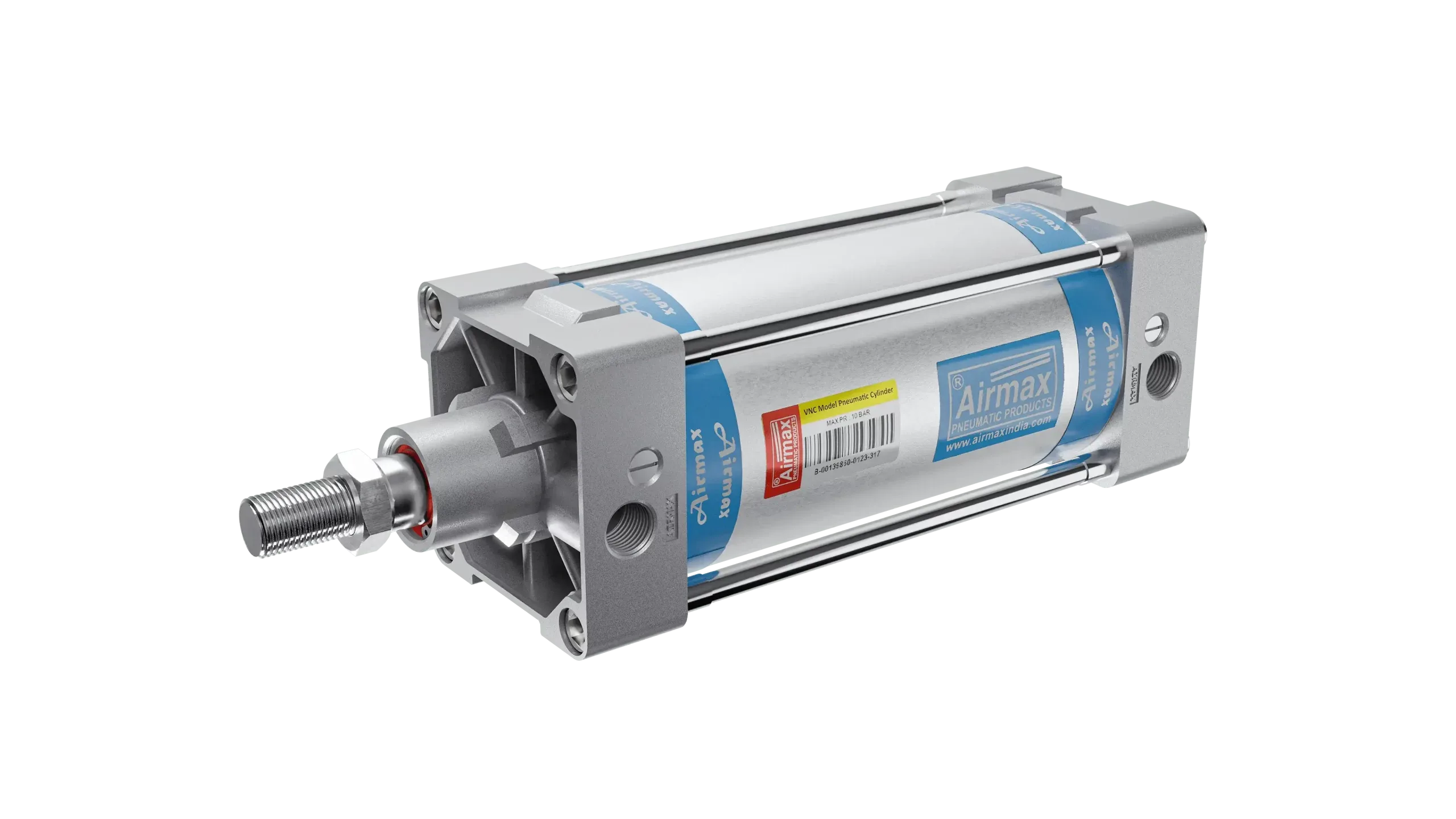
An aluminium air cylinder is a pneumatic actuator that uses compressed air to create linear mechanical movement, with aluminium used for the cylinder body or other structural components.
When compressed air enters the cylinder, pressure acts against the piston and produces linear movement. Depending on the cylinder design, the actuator can be configured for extension and retraction using different pneumatic arrangements.
Aluminium is commonly considered for cylinder construction because it offers a useful combination of:
- Low weight
- Good mechanical strength
- Corrosion resistance
- Machinability
- Practical heat dissipation
- Ease of handling
These characteristics make aluminium cylinders suitable for many industrial automation applications.
Why Weight Matters in Automation
Weight is an important engineering consideration in automated machinery. Heavy components can increase the load placed on machine frames, mounting brackets, robotic mechanisms, and moving assemblies.
Using a lightweight aluminium air cylinder can help engineers reduce the overall mass of an automated assembly.
Lower actuator weight may be beneficial for:
- High-speed machinery
- Pick-and-place equipment
- Compact automation systems
- Robotic mechanisms
- Packaging machines
- Material handling equipment
Reducing unnecessary mass can make machine design more efficient, particularly when the cylinder itself forms part of a moving assembly.
Easier Machine Integration
Compact industrial equipment often has limited installation space. Pneumatic cylinders with lightweight construction can make component integration more practical.
An aluminium air cylinder can be used in applications where designers need to balance:
- Available space
- Actuator force
- Stroke requirements
- Machine weight
- Mounting configuration
This flexibility helps engineers develop automated equipment without adding unnecessary structural load.
Corrosion Resistance
Industrial environments can expose pneumatic components to moisture, humidity, cleaning agents, and other environmental conditions.
Aluminium naturally forms a protective oxide layer, providing useful resistance to corrosion in many general industrial environments.
However, material selection should always consider the actual operating environment. Applications involving aggressive chemicals, salt exposure, or specialized cleaning processes may require additional protective treatments or alternative materials.
Good Strength-to-Weight Ratio
One of aluminium's major advantages is its favorable strength-to-weight relationship.
Industrial automation equipment requires components that are strong enough to handle repeated operating cycles while remaining lightweight. Aluminium can provide a practical balance between structural performance and reduced mass.
This is particularly valuable when cylinders are installed on:
- Moving machine sections
- Robotic arms
- Linear slides
- Compact assemblies
- High-speed handling equipment
Supporting Faster Automated Motion
In some automated systems, moving mass has an influence on machine response and dynamic performance.
When an actuator is part of a moving assembly, reducing unnecessary weight can help engineers design systems capable of faster movement and more responsive operation.
However, cylinder speed depends on multiple factors, including:
- Air pressure
- Flow rate
- Cylinder bore
- Stroke length
- Load
- Valve characteristics
- Exhaust conditions
Therefore, aluminium construction should be considered as one part of the overall machine design rather than the sole factor determining speed.
Heat Dissipation
Pneumatic equipment may operate continuously in manufacturing environments. During operation, temperature can affect seals, lubricants, and other components.
Aluminium has good thermal conductivity, which can assist heat transfer from the cylinder body to the surrounding environment.
This characteristic can be useful in equipment operating through repeated cycles, although actual thermal performance depends on the complete application and operating conditions.
Reduced Handling and Installation Effort
A lighter cylinder can also be easier for maintenance teams and machine builders to handle during installation or replacement.
Lower weight can simplify:
- Component positioning
- Machine assembly
- Cylinder replacement
- Maintenance activities
- Equipment modification
This can be particularly helpful when pneumatic cylinders are mounted in elevated, compact, or difficult-to-access locations.
Applications of Aluminium Air Cylinders
Aluminium air cylinders can be used across a wide range of pneumatic automation applications.
Packaging Machinery
Packaging equipment frequently requires fast, repetitive linear movements. Lightweight cylinders can be useful in compact mechanisms used for pushing, positioning, clamping, and product handling.
Food and Beverage Equipment
Pneumatic automation is commonly used for product handling and packaging. Aluminium cylinders may be suitable for general applications where their material characteristics meet the environmental requirements.
Textile Machinery
Textile equipment often involves continuous machine operation and repetitive motion. Lightweight pneumatic components can help support efficient machine construction.
Electronics Manufacturing
Electronics assembly requires compact and controlled movement. Aluminium cylinders can be useful in applications where equipment designers prioritize low component weight and space efficiency.
Material Handling
Automated material handling equipment uses pneumatic cylinders for pushing, positioning, stopping, and transferring products. Lightweight construction can be advantageous when cylinders are mounted on moving mechanisms.
General Industrial Automation
From assembly stations to specialized machinery, aluminium pneumatic cylinders can provide reliable linear actuation where their technical characteristics match the operating conditions.
Factors to Consider Before Selecting an Aluminium Air Cylinder
Choosing an aluminium air cylinder should be based on application requirements rather than material alone.
Engineers should evaluate:
- Bore diameter
- Stroke length
- Operating pressure
- Required force
- Operating speed
- Mounting arrangement
- Load characteristics
- Environmental conditions
- Seal compatibility
- Duty cycle
The cylinder must provide sufficient force for the application while remaining within the manufacturer's recommended operating limits.
Importance of Clean Compressed Air
The quality of compressed air can significantly influence pneumatic cylinder life.
Moisture, dust, oil contamination, and solid particles can damage seals and internal surfaces. Using appropriate air preparation equipment, such as filters and regulators, helps maintain suitable air quality.
Regular inspection of the pneumatic system can also help identify leakage, pressure issues, and contamination before they affect cylinder performance.
Why Choose Airmax Pneumatics Ltd?
Airmax Pneumatics Ltd provides pneumatic automation products designed for a wide range of industrial applications. Its product portfolio includes pneumatic cylinders, aluminium air cylinders, directional control valves, FRL units, solenoid valves, rotary unions, and other pneumatic components.
The company focuses on providing practical pneumatic solutions for manufacturers and automation users who require dependable performance, appropriate component selection, and long-term operational value. By considering application requirements such as pressure, load, stroke, speed, and operating environment, Airmax Pneumatics Ltd supports customers in developing efficient pneumatic systems.
Best Practices for Long-Term Performance
To obtain reliable performance from an aluminium air cylinder, users should:
- Maintain clean and dry compressed air.
- Operate within recommended pressure limits.
- Check for air leakage regularly.
- Maintain correct cylinder alignment.
- Avoid excessive side loads.
- Inspect piston rods and seals.
- Keep mounting hardware secure.
- Follow appropriate preventive maintenance schedules.
These practices can help reduce premature wear and maintain consistent cylinder operation.
Conclusion
Aluminium air cylinders are an attractive option for lightweight industrial automation because they combine pneumatic actuation with useful material characteristics such as low weight, corrosion resistance, machinability, and a favorable strength-to-weight ratio. These features can be particularly beneficial in compact machinery, high-speed automation, moving assemblies, and applications where reducing overall equipment mass is important.
However, selecting the right cylinder requires more than focusing on material. Bore size, stroke, operating pressure, load, speed, environmental conditions, mounting configuration, and duty cycle should all be evaluated before installation.
With its range of pneumatic automation products, Airmax Pneumatics Ltd provides solutions for industries seeking dependable and efficient pneumatic motion control. Proper product selection, clean compressed air, correct installation, and routine maintenance can help aluminium air cylinders deliver consistent performance throughout demanding industrial automation applications.