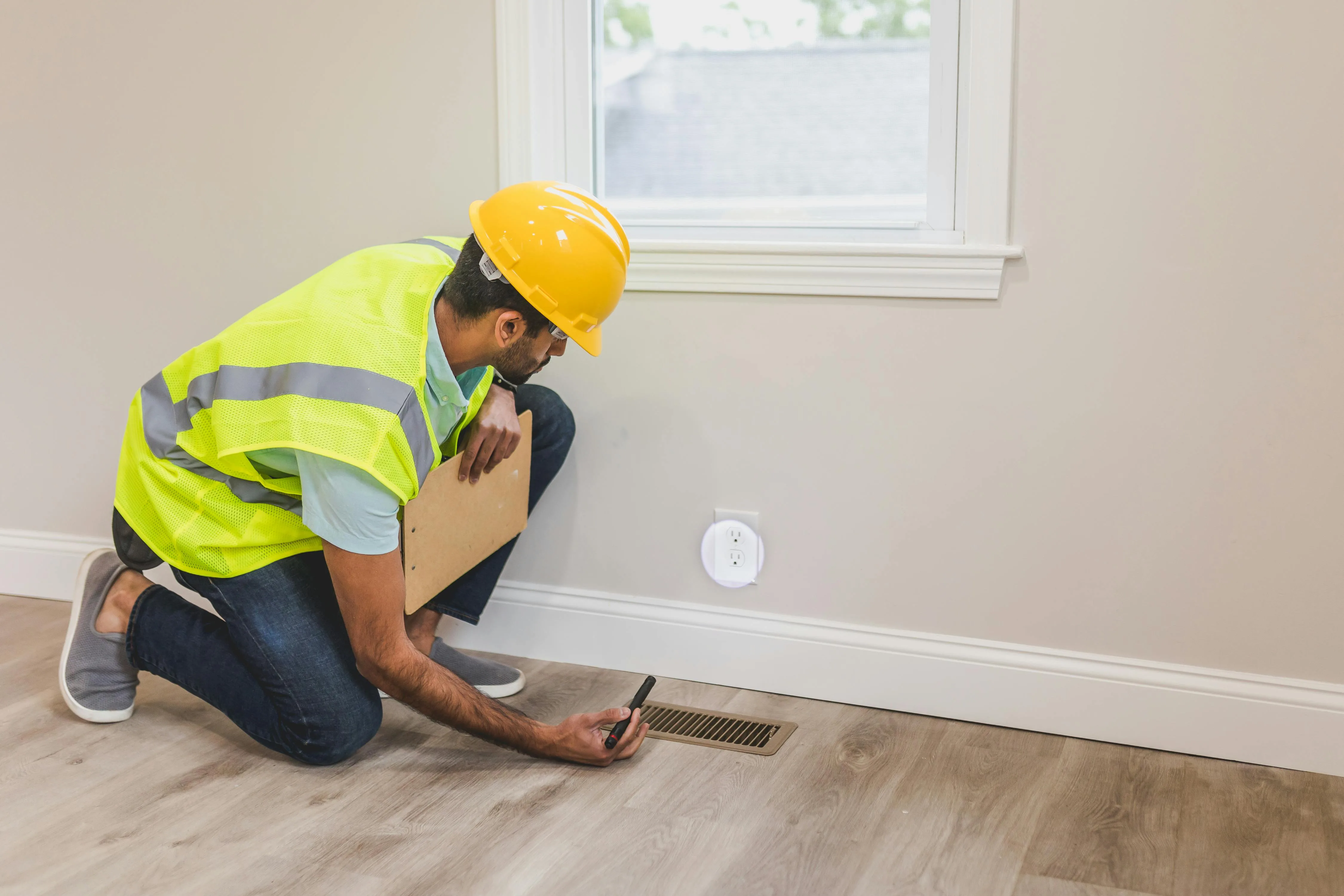
Buying a home is a major financial decision, and discovering unexpected property defects after completing a purchase can be stressful. Problems such as water leaks, foundation cracks, electrical issues, plumbing failures, or hidden mould may require expensive repairs. Homeowners often wonder whether the seller, builder, or buyer is responsible for fixing these problems.
In Calgary, Alberta, responsibility for property defects depends on several factors, including the type of defect, whether it was visible before the purchase, whether the seller knew about it, and the terms of the purchase agreement. Understanding these factors can help homeowners identify their legal options and protect their property investment.
Who Is Responsible for Property Defects After Closing?
In Alberta, residential property transactions generally follow the principle of caveat emptor, commonly known as buyer beware. This means buyers are expected to investigate the property's condition before completing the purchase.
After closing, buyers are generally responsible for maintaining the property and addressing ordinary defects that were visible or could reasonably have been discovered through an appropriate inspection.
However, the buyer-beware principle does not remove every responsibility from the seller. A seller may face legal consequences if they knowingly conceal a material latent defect or make a misleading representation about the property's condition.
For example, if a seller knows that the basement regularly floods but conceals evidence of previous water damage before selling the property, the buyer may have grounds to pursue a legal claim, depending on the circumstances and available evidence.
What Is the Difference Between Visible and Hidden Property Defects?
Understanding the difference between visible defects and hidden defects is important when determining responsibility after a home purchase.
1. Visible or Patent Defects
Visible defects are problems that can generally be identified through an ordinary inspection of the property. Examples include:
- Visible cracks in walls or ceilings.
- Damaged flooring or broken windows.
- Obvious roof damage.
- Leaking faucets or damaged fixtures.
- Visible signs of water damage.
Buyers are generally expected to identify these issues before completing the transaction. A buyer who notices a problem should consider negotiating repairs, requesting a price adjustment, or including appropriate conditions in the purchase agreement.
2. Hidden or Latent Defects
Latent defects are problems that cannot reasonably be discovered through an ordinary inspection. Some may be concealed behind walls, under flooring, or within structural components.
Examples include:
- Hidden foundation damage.
- Water leaks concealed behind finished walls.
- Serious mould problems covered by renovations.
- Defective underground plumbing.
- Significant structural issues hidden from view.
In Alberta, a material latent defect is generally a hidden problem that cannot be discovered through reasonable inspection and is significant to the property's use, safety, or value. Certain defects may make a property dangerous, unfit to live in, or unusually expensive to repair.
A seller who knows about a material latent defect may have disclosure obligations under the applicable rules and contractual terms. If the seller knowingly conceals such a problem, the buyer may have legal options after discovering it.
What If the Seller Knew About the Defect but Did Not Disclose It?
One of the most important questions in a property defect dispute is whether the seller knew about the problem before completing the sale.
A seller may have legal responsibilities when they fail to disclose a known material latent defect or provide misleading information about the property's condition. Depending on the circumstances, the buyer may be able to pursue a claim involving misrepresentation, concealment, or breach of contractual obligations.
For example, imagine a buyer purchases a house and discovers significant water leakage in the basement several weeks after moving in. During an investigation, the buyer finds evidence of previous repairs and documentation showing that the seller had experienced repeated flooding.
If the evidence establishes that the seller knowingly concealed a material latent defect, the buyer may have grounds to seek legal remedies.
However, not every undiscovered problem creates a legal claim. The buyer generally needs evidence supporting the allegation, including the nature of the defect, the seller's knowledge, and the circumstances of the transaction.
Does a Home Inspection Protect Buyers From Property Defects?
A professional home inspection can help buyers identify potential problems before completing a purchase. It usually involves examining important components of the property, including:
- Roofing and exterior structures.
- Plumbing and electrical systems.
- Heating and ventilation equipment.
- Windows, doors, and insulation.
- Foundations and visible structural components.
- Signs of moisture or water damage.
However, a home inspection does not guarantee that every defect will be discovered. Some problems may remain hidden or require specialized inspections.
Buyers may also consider inspections for specific concerns, such as mould, sewer lines, roofing, or structural conditions.
In Alberta, buyers can negotiate a home inspection condition in their purchase agreement. Depending on the wording of the condition and applicable deadlines, inspection findings may provide an opportunity to request repairs, negotiate changes, or withdraw from the transaction.
Are Builders Responsible for Defects in New Homes?
Property defects in newly constructed homes may be covered by Alberta's mandatory new home warranty program.
Under the New Home Buyer Protection Act, qualifying new homes generally require minimum warranty coverage. The statutory coverage periods are commonly described as follows:
- One year: Labour and materials, including certain defects involving flooring, cabinets, fixtures, and finishes.
- Two years: Delivery and distribution systems, including plumbing, electrical, heating, and ventilation systems.
- Five years: Building envelope protection, including the roof and exterior walls.
- Ten years: Major structural components, including the foundation and structural frame.
An additional two years of building envelope coverage must be available as an option for builders to purchase. It is not automatically included in every home's coverage.
New home warranty protection is attached to the property rather than the original owner. It generally remains in effect when the home is resold until the applicable coverage expires.
If a homeowner discovers a construction-related defect, they should review their warranty documents, confirm the coverage period, and contact the warranty provider to understand the claim process.
Certain homes and circumstances may be exempt from the mandatory warranty requirements. Buyers should verify the property's warranty status and coverage details before relying on this protection.
What Should You Do If You Discover Property Defects After Buying a Home?
Discovering a serious property defect does not necessarily mean that the homeowner must immediately accept all repair costs. Taking appropriate steps can help preserve evidence and identify possible legal options.
Consider the following actions:
- Document the problem: Take photographs and videos showing the defect and any resulting damage.
- Obtain a professional assessment: Contact a qualified contractor, engineer, or specialist to identify the cause and extent of the problem.
- Review the purchase agreement: Check the contract for relevant representations, warranties, inspection conditions, and other provisions.
- Keep supporting records: Save inspection reports, seller communications, repair invoices, and other relevant documents.
- Check warranty coverage: If the property is newly constructed, contact the warranty provider to determine whether the issue is covered.
- Seek legal advice: Consult a Real Estate Lawyer in Calgary, AB, to understand your rights and assess whether the circumstances support a legal claim.
It is important to address urgent problems promptly, particularly those involving water damage, electrical hazards, or structural safety.
How Can a Real Estate Lawyer Help With Property Defect Disputes?
Property defect disputes can involve complicated questions about seller disclosure obligations, contractual responsibilities, warranties, and evidence.
A lawyer can review the purchase agreement, assess the available documentation, and explain the legal options based on the circumstances.
Legal assistance may include:
- Reviewing purchase agreements and related property documents.
- Examining potential seller disclosure issues.
- Advising on possible misrepresentation or contractual claims.
- Reviewing builder and home warranty obligations.
- Assisting with negotiations and dispute resolution.
- Explaining potential legal remedies and applicable deadlines.
Working with an Affordable Real Estate Lawyer in Calgary can help homeowners understand the legal and financial implications of a property dispute before deciding how to proceed.
Conclusion
Responsibility for property defects after a home purchase in Alberta depends on the nature of the problem, the seller's knowledge, the purchase agreement, and any applicable warranty protection.
Buyers are generally expected to identify visible problems before purchasing a property. However, sellers may have legal responsibilities when they knowingly conceal material latent defects or make misleading representations. Builders may also be responsible for qualifying construction defects covered by new home warranty protection.
Understanding these distinctions and obtaining appropriate legal guidance can help homeowners protect their interests and make informed decisions when unexpected property problems arise.