Old homes had a certain warmth that modern lighting rarely matches. A big part of that warmth came from the lamp itself, not just the bulb. Victorian lampshades were designed with layered fabric, trim, and fringe that softened light instead of just casting it. If you have been searching for a way to bring that same warmth into a living room, bedroom, or reading nook, this guide walks through everything worth knowing before you buy or build one.
What Makes Victorian Lampshades Different From Modern Shades?
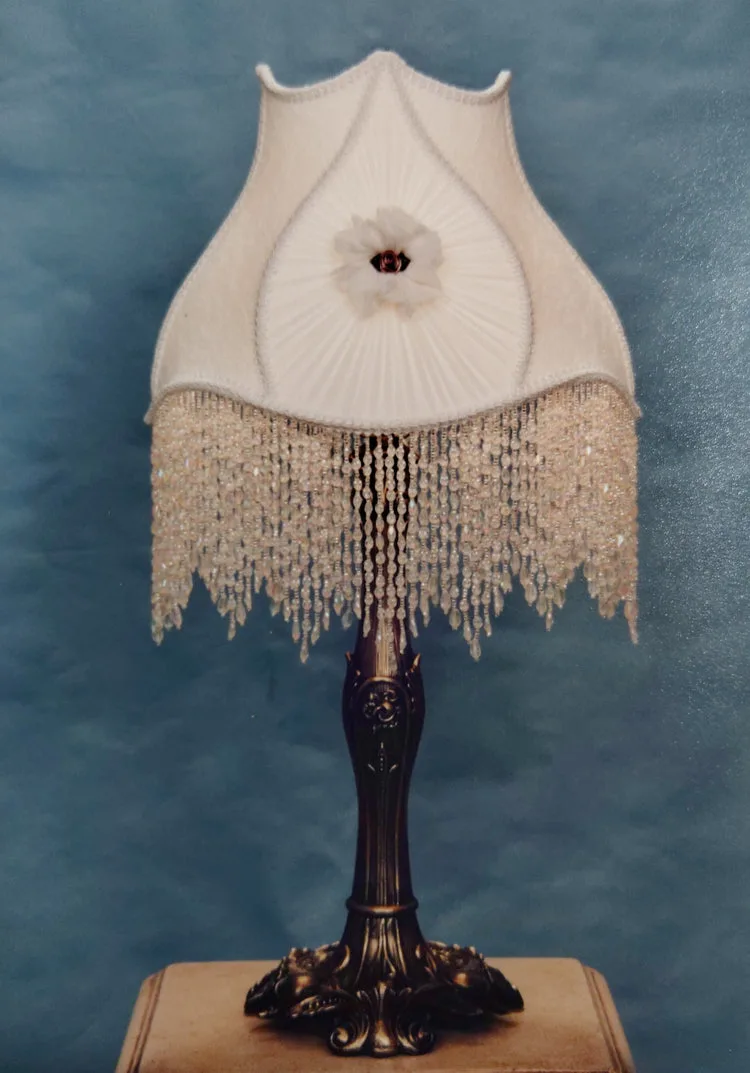
Most shades sold today are plain fabric stretched over a simple frame. Victorian lampshades work differently. They are built in layers, starting with a wire frame, then a lining, then an outer fabric such as silk chiffon or lace, and finally decorative trim like beaded fringe or ribbon accents.
This layered build is what gives the shade its glow. Light passes through the silk and lace instead of bouncing off a flat surface, so the shade itself seems to hold light rather than just block it. That effect is very hard to copy with a mass-produced shade from a big-box store.
Why Are Decorative Lamp Shades Making a Comeback in Home Decor?
Home decor has been moving away from bare, minimal lighting fixtures for a few years now. People want lamps that look like a finished piece of furniture rather than a plain functional object sitting on a table.
Decorative lamp shades fit that shift well because they add texture and detail to a room without needing to repaint walls or replace furniture. A single shade with lace, trim, and fringe can change the entire feel of a corner of a room.
Short on budget for a full room redesign? Swapping a plain shade for a detailed one is one of the cheapest ways to make a noticeable change.
What Materials Go Into an Authentic Victorian Lampshade?
A true period-style shade usually includes several specific materials working together:
- A wire frame, typically around 10 inches tall for a medium table lamp
- Seam binding to finish the frame edges
- A fabric lining underneath the outer layer
- Lace for texture and pattern
- Silk chiffon as the main outer fabric
- French scroll trims along the seams
- Beaded fringe hanging from the bottom edge
- Small fabric rose accents for a finishing detail
Each piece has a job. The lining protects the outer fabric and controls how much light shows through. The lace and chiffon create the visible pattern. The fringe and trim hide the seams and give the shade a finished edge instead of a raw one.
How Do You Choose the Right Victorian Lampshade for Your Room?
Size and proportion matter more than most people expect. A shade that is too small on a tall lamp base looks off balance, and a shade that is too wide can overwhelm a small table.
A few things worth checking before buying:
- Shade width versus base width: The shade should generally be a bit wider than the base at its widest point.
- Room lighting needs: Silk and lace let more light through than heavier fabric, so they work well in rooms that need a soft glow rather than bright task lighting.
- Color of the fabric and trim: Cream, ivory, and soft gold tones tend to fit period-style furniture, while deeper colors like burgundy or forest green suit rooms with darker wood.
Where Can You Find Unique Victorian Lampshades for Decorative Lamp Shades?
Shops that focus specifically on period lighting are usually a better source than general home stores, since they stock frames, trims, and fabrics built for this exact style. LampShadeLady, for example, sells a Victorian Beauty Lampshade Kit that includes a 10-inch wire frame, seam binding, lining, lace, silk chiffon, French scroll trim, six-inch beaded fringe, and two ribbon rose accents in one bundle, giving buyers a starting point for Unique Victorian Lampshades for Decorative Lamp Shades without hunting down each material separately.
Buying a kit instead of individual parts also helps with matching. Fabric, lace, and trim bought separately can clash in tone even when each piece looks good on its own.
How Can Beginners Make Their Own Victorian Lampshade at Home?
Making a shade from a kit is more approachable than it sounds, especially with a wire frame already sized correctly. The general steps look like this:
- Bind the wire frame edges with seam binding so fabric has something to attach to.
- Attach the lining fabric to the inside of the frame first.
- Layer the silk chiffon or lace over the lining on the outside.
- Add trim along the top and bottom seams to hide raw edges.
- Attach fringe and any accent pieces like rose buds last.
Beginners often find it easier to watch a video walkthrough for the stitching and gluing steps, since seeing the fabric handled makes the technique clearer than written instructions alone.
What Should You Look for in a Lampshade Kit Before Buying?
Not every kit includes the same materials, so it helps to check a few details before ordering:
- Frame size, measured in height and width, to match your existing lamp base
- Fabric type, since silk chiffon behaves differently than cotton or linen under a lamp
- Included trim and fringe, so nothing needs to be bought separately afterward
- Whether the lamp base is included, since many kits cover the shade materials only
A kit that lists every material clearly, down to the fringe length, tends to be more reliable than one with vague descriptions.
How Do Victorian Lampshades Complement Different Interior Styles?
Period-style shades are not limited to strictly Victorian rooms. They also pair well with:
- Traditional and farmhouse interiors, where lace and soft fabric feel at home next to wood furniture
- Eclectic or maximalist rooms, where a detailed shade adds another layer of pattern
- Bedrooms and reading corners, where the softer light from silk and lace suits low-key evening lighting better than a bright plain shade
A single well-made shade can act almost like a piece of art on a side table, which is part of why these shades tend to get noticed even in rooms with a mostly modern layout.
What Are Common Mistakes to Avoid When Selecting a Lampshade?
A few mistakes come up often with first-time buyers:
- Ignoring the lamp base entirely: Many kits sell the shade materials only, so check this before assuming a base is included.
- Choosing fabric that is too thick: Heavier fabric blocks more light, which can make the shade look dull once it's on the lamp.
- Skipping the trim: Trim is not just decorative; it also covers the raw fabric edges where the shade was assembled.
- Buying the wrong frame size: A frame that does not match the lamp harp size will not fit properly, no matter how nice the fabric looks.
FAQs
1. What is a Victorian lampshade made of?
It typically combines a wire frame with lining fabric, an outer layer such as silk chiffon or lace, trim along the seams, and fringe or bead accents at the bottom edge.
2. Are Victorian lampshades hard to make at home?
Not for someone with basic sewing or crafting experience. A kit with a pre-sized frame and included materials makes the process much simpler than starting from scratch.
3. Do Victorian lampshades fit modern lamp bases?
Yes, as long as the frame size and harp fitting match the base. Many people pair a period-style shade with a plain modern base for contrast.
4. What size lampshade fits a standard table lamp?
A medium frame, generally around 10 inches tall and 13 inches wide, fits most standard table lamp bases.
5. Is silk chiffon a good fabric choice for lampshades?
Yes. It lets a soft, even glow of light through and gives the shade a smooth texture that pairs well with lace and trim.
6. Does a lampshade kit include the lamp base?
Usually not. Most kits, including common Victorian-style ones, cover the shade materials only, so the base needs to be bought separately.
7. How long does it take to make a lampshade from a kit?
For a beginner, a few hours spread across one or two sessions is a reasonable estimate, depending on how detailed the trim and fringe work is.
8. Can these lampshades be used in modern or minimalist homes?
Yes. A single detailed shade can work as a contrast piece in a mostly plain room, adding texture without changing the rest of the decor.
9. What tools are needed to assemble a lampshade kit?
Basic supplies like fabric glue or a needle and thread, scissors, and pins are usually enough for most kits.
10. Where can I buy a Victorian lampshade kit online?
Specialty lampshade shops that focus on period-style lighting, such as LampShadeLady, sell complete kits with the frame, fabric, and trim included.