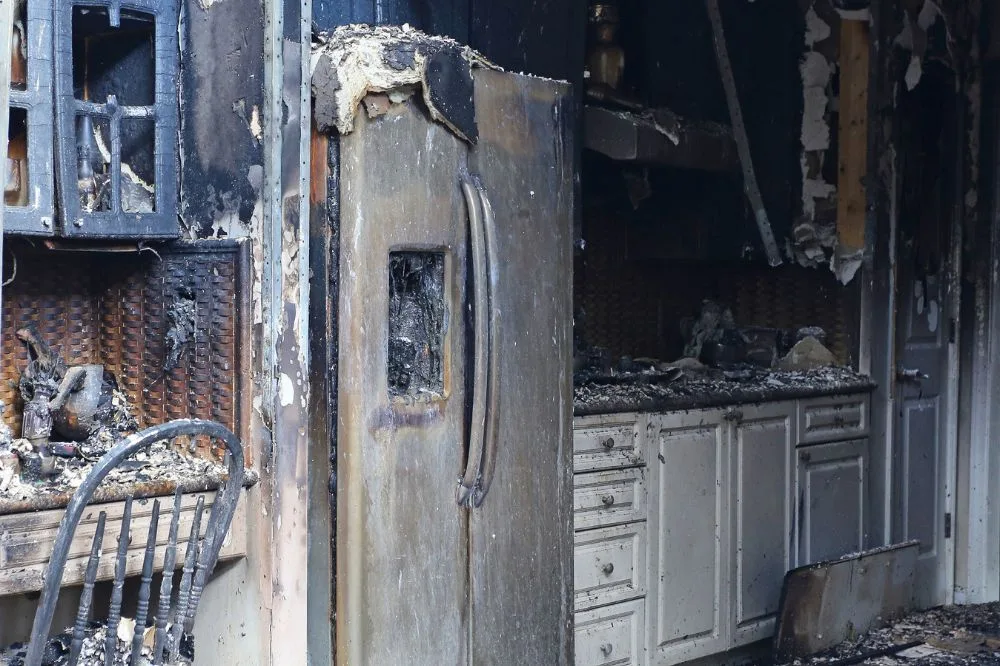
When a client's home floods or catches fire, the call often reaches their designer before anyone else. You know the pieces, the sources, and what simply cannot be reordered.
That puts you in an odd role: part project lead, part steadying voice, part damage assessor. The reflex is to start replacing, but replacement is rarely the right first answer.
Here is a working framework for deciding what to save and what to release, so your client's home and budget both come out ahead.
Restore First Is Usually the Smarter Default
Insurance tends to reward restoration. Cleaning and repairing a piece is frequently cheaper than replacing it, and for custom or discontinued items, replacement can be impossible at any price.
There is an emotional ledger too. A restored heirloom keeps a story that a showroom substitute cannot buy back.
The real question is rarely new or ruined. It is whether a piece can be professionally restored to pre-loss condition, and whether that is worth doing.
What Smoke and Soot Actually Do to Furnishings
Fire damage is not just char. Smoke drives acidic residue deep into upholstery, wood grain, and textiles, and that residue keeps working long after the flames are out.
Because soot is acidic and corrosive, it keeps etching finishes, tarnishing metal, and staining fabric until it is properly removed. Speed matters more than most clients expect.
The industry framework for this work, the ANSI/IICRC S700 standard for fire and smoke damage restoration, treats residue and odor as the core problems, not just the visible burn.
Why Odor Is Its Own Project
Smoke odor hides in porous materials and returns with heat and humidity. Surface cleaning alone rarely solves it.
Real deodorization removes the source rather than masking it, which is why a piece that smells fine in winter can turn again by summer.
The Water Loss Version of the Same Decision
With water, the clock and the contamination level drive everything. Clean supply-line water is far kinder to furnishings than gray or black water carrying contaminants.
Solid wood, metal, glass, and many hard finishes are often restorable.
Particleboard, saturated upholstery, and anything soaked by contaminated water is a tougher call.
Textiles are the classic gray area. Rugs, drapery, and upholstery can often be cleaned, but only if they are dried and treated before mildew sets in.
Left wet, almost anything grows mold within days, which is what turns a restorable piece into a replacement line item.
A Quick Triage List You Can Use On Site
Sentimental and irreplaceable: push hard to restore, and isolate it from further damage right away.
Custom, antique, or discontinued: get a restoration assessment before writing it off, since replacement cost and lead time are often brutal.
Mass-market and low value: replacement is usually faster and cleaner, especially after contact with contaminated water.
How the Pack-Out Process Protects Your Design Intent
For anything beyond a small loss, restorable contents are inventoried and moved off-site to a controlled facility, cleaned, stored, and returned once the space is ready. This is called a pack-out.
It buys two things a designer wants: a clean, empty site for repairs, and expert handling of pieces that would otherwise sit in a dusty, humid work zone.
In markets like Denver, designers lean on a contents restoration company that provides Packout Services to keep salvageable furnishings safe while the home is rebuilt.
The payoff is fewer surprises when it is time to reinstall.
Guiding the Insurance Conversation
You are not the adjuster, but you can protect your client. Encourage them to photograph every piece before anything is moved, and to keep an inventory with sources and values.
Restoration versus replacement is often negotiated line by line, and documented condition is what wins those conversations.
When a designer and the restoration team speak the same language, the home comes back faster and closer to its original intent.
The Bottom Line for Designers
Your value in a loss is judgment: knowing which pieces carry meaning, which carry cost, and which can be brought back.
Lead with restoration, move fast on soot and water, and release the low-value items without guilt. That balance is how your client's home, and your original vision for it, survives the worst day.