Taking an emergency contraceptive pill after unprotected sex can bring temporary relief, but uncertainty often remains until the next menstrual period arrives. Many women wonder whether they should take a pregnancy test immediately, wait for their period or allow more time for the pill to work. Knowing the correct pregnancy test after I-Pill timing helps avoid misleading results and unnecessary anxiety. If you are concerned about a possible pregnancy or need reproductive health guidance, consulting a qualified best IVF doctor in Madurai can help you understand the appropriate next steps.
When Should You Take a Pregnancy Test After I-Pill?
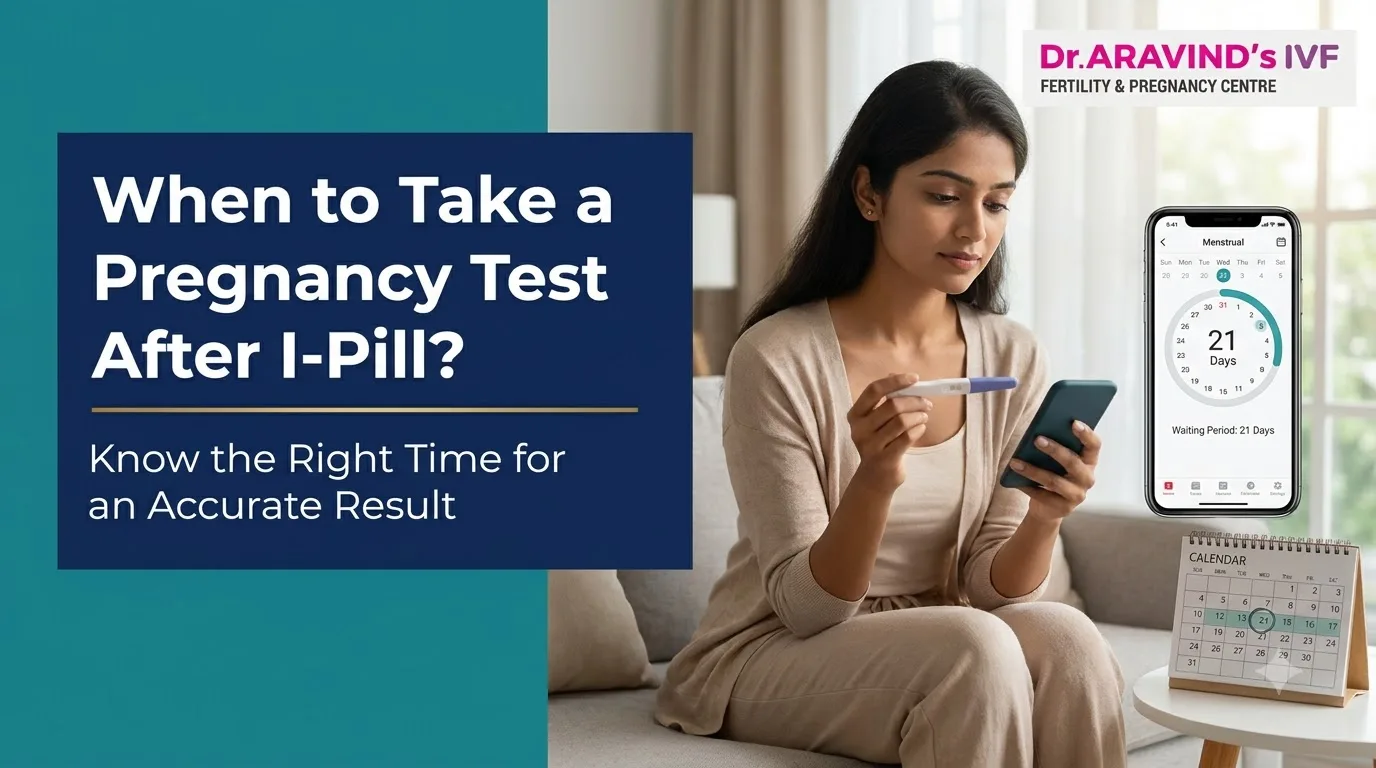
The most reliable time to take a home pregnancy test after taking I-Pill is 21 days after the last unprotected sexual intercourse. If you know when your next period is expected, you can also take a pregnancy test from the first day of a missed period.
I-Pill usually contains levonorgestrel, an emergency contraceptive hormone that works mainly by delaying or preventing ovulation. It reduces the possibility of pregnancy but does not guarantee that pregnancy will be prevented. A pregnancy test checks for human chorionic gonadotropin (hCG), a hormone produced during pregnancy.
Testing too early may produce a negative result even if pregnancy has occurred because the hCG level may not yet be high enough to detect. Waiting for the recommended testing window gives a more reliable result.
How Many Days After I-Pill Can You Test for Pregnancy?
The correct testing time depends on when unprotected intercourse happened and whether your menstrual cycle is regular.
1. Pregnancy Test After 7 Days of Taking I-Pill
Taking a pregnancy test just seven days after I-Pill is generally too early to rule out pregnancy. Even if fertilisation has occurred, the body may not have produced enough hCG for a home urine test to detect.
A negative result at this stage should not be considered confirmation that pregnancy has been prevented. Wait until the first day of your missed period or at least 21 days after the last unprotected intercourse.
2. Pregnancy Test After 14 Days of Taking I-Pill
A pregnancy test after 14 days may detect pregnancy in some women, but a negative result may still be too early to rely on. This is particularly important when ovulation timing is uncertain or the menstrual cycle is irregular.
If you test at this stage and receive a negative result, repeat the test at least 21 days after the last unprotected intercourse.
3. Pregnancy Test After 21 Days of Taking I-Pill
Testing 21 days after the last unprotected intercourse is a reliable way to check for pregnancy, even if your menstrual cycle is irregular. Follow the instructions supplied with the pregnancy test kit and check the result within the recommended time.
If the result is negative but your period remains absent or you continue experiencing symptoms, consult a gynaecologist for further assessment.
Can I-Pill Delay Your Period and Affect Pregnancy Test Timing?
Yes. I-Pill can temporarily change your menstrual cycle. Some women experience their next period earlier than expected, while others notice a delay. Spotting or light bleeding may also occur after taking emergency contraception.
These changes happen because levonorgestrel can affect the timing of ovulation and the menstrual cycle. However, a delayed period should not automatically be attributed to the pill.
A pregnancy test is important if your period is more than seven days late or if you have not had a normal menstrual period within three weeks after unprotected intercourse. Do not rely on spotting alone to confirm that pregnancy has been prevented.
Does Taking I-Pill Affect Pregnancy Test Results?
No. Taking I-Pill does not interfere with the accuracy of a pregnancy test. Emergency contraceptive pills contain hormones that work differently from hCG, which is the hormone detected by pregnancy tests.
You do not need to stop taking any medication or wait for the I-Pill hormones to leave your body before testing. The important factor is choosing the correct testing time.
A negative result obtained too early may need to be repeated. If a test is positive, arrange a consultation with a gynaecologist to confirm the pregnancy and discuss the next steps.
What Should You Do If Your Pregnancy Test Is Positive or Negative?
A positive home pregnancy test usually indicates pregnancy. Consult a gynaecologist for confirmation and appropriate guidance. Emergency contraception does not terminate an established pregnancy.
If your result is negative at least 21 days after the last unprotected intercourse, pregnancy is less likely. However, if your period remains absent, you experience unusual bleeding or you continue to have pregnancy-related concerns, seek medical advice.
Also remember that I-Pill does not protect against further unprotected intercourse later in the same menstrual cycle. Because it may delay ovulation, pregnancy can still occur if you have unprotected sex again. Use condoms or discuss a suitable regular contraceptive method with your healthcare professional.
Severe lower abdominal pain, fainting or heavy bleeding requires prompt medical assessment. These symptoms should not be ignored, particularly when pregnancy is possible.
Conclusion
Knowing when to test after emergency contraception helps you avoid testing too early and misunderstanding the result. A home pregnancy test is generally reliable 21 days after the last unprotected intercourse, or from the first day of a missed period when your cycle is predictable. If you have a positive result, a persistent delay in menstruation or concerning symptoms, consult a qualified gynaecologist. Women seeking reproductive health guidance can also approach a best IVF doctor in Madurai for fertility-related concerns and appropriate specialist support.
Frequently Asked Questions
1. When should I take a pregnancy test after I-Pill?
Take a pregnancy test 21 days after the last unprotected intercourse for a reliable result. You can also test from the first day of a missed period if your menstrual cycle is regular.
2. Can I take a pregnancy test seven days after I-Pill?
You can take a test, but seven days may be too early to detect pregnancy reliably. If the result is negative, repeat the test 21 days after the last unprotected intercourse.
3. Does I-Pill make a pregnancy test negative?
No. I-Pill does not cause a false-negative pregnancy test. Testing too early, before hCG levels become detectable, can produce a negative result.
4. How long can I-Pill delay my period?
I-Pill may make your next period arrive earlier or later than expected. If your period is more than seven days late or you have not had a normal period within three weeks after unprotected sex, take a pregnancy test.
5. Where can I get pregnancy guidance after I-Pill in Madurai?
Women in Madurai can consult a qualified gynaecologist for pregnancy confirmation and menstrual concerns. A best IVF doctor in Madurai can also provide specialist guidance when there are additional fertility-related concerns.