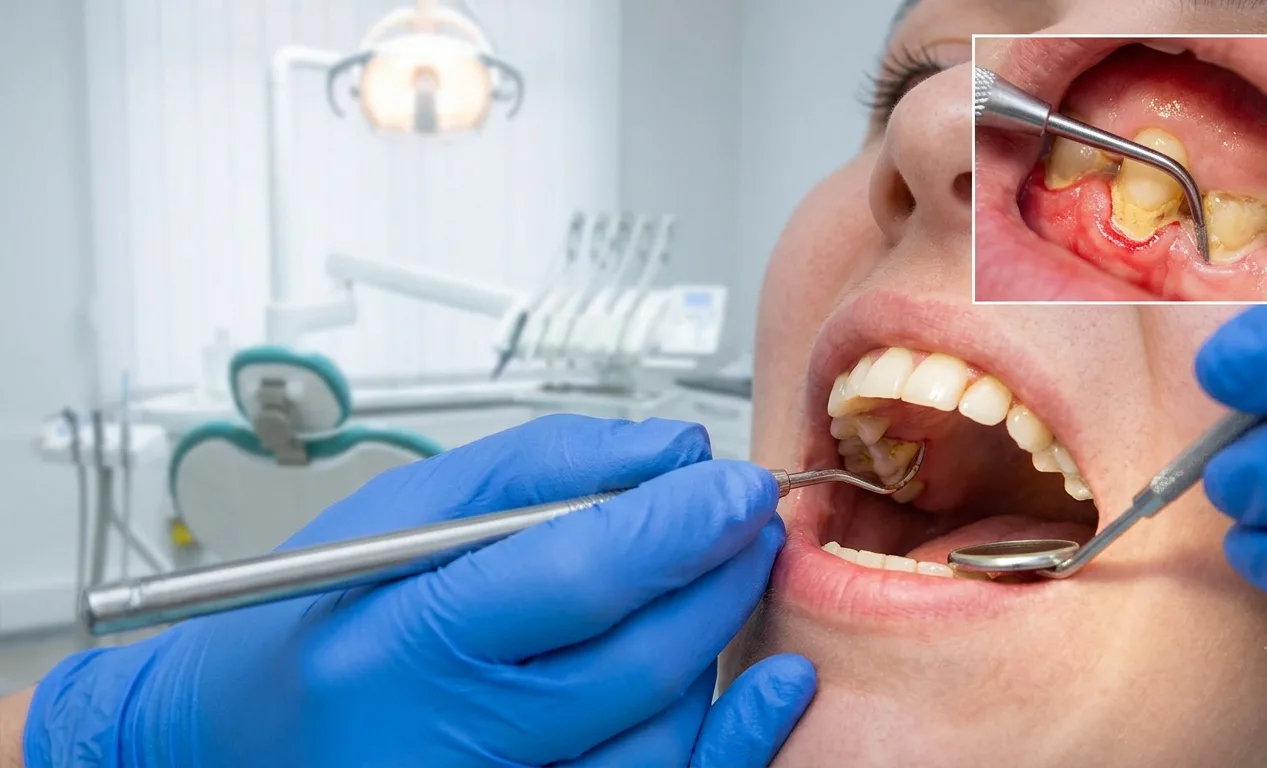
Gum disease is a common oral health problem that can affect people of different ages. It usually develops when plaque and tartar accumulate along the gumline, allowing harmful bacteria to irritate and infect the gum tissues. If left untreated, gum disease can progress, leading to gum recession, bone loss, loose teeth, and eventually tooth loss. Scaling and root planing is a professional dental treatment that helps control gum disease and protect long-term oral health.
What Is Scaling and Root Planing?
Scaling and root planing is a deep cleaning procedure designed to remove plaque, tartar, and bacterial deposits from areas below the gumline. Unlike routine dental cleaning, which focuses mainly on the visible surfaces of teeth, this treatment targets deeper pockets that develop between the teeth and gums.
During scaling, a dental professional carefully removes hardened tartar and plaque from tooth surfaces and beneath the gumline. Root planing follows by smoothing the tooth roots to remove bacterial deposits and create a cleaner surface. Smooth root surfaces make it more difficult for bacteria to accumulate and help the gums reattach to the teeth as they heal.
When Is This Treatment Necessary?
Scaling and root planing is generally recommended when a patient develops signs of gum disease, particularly periodontitis. Common symptoms include swollen or red gums, bleeding during brushing or flossing, persistent bad breath, gum tenderness, and gum recession.
A dentist may also identify periodontal pockets during an examination. These spaces between the teeth and gums can collect bacteria and become difficult to clean with regular brushing. When these pockets become deeper, professional periodontal treatment may be necessary to prevent further damage.
Early diagnosis is important because untreated periodontal disease can gradually affect the supporting structures of the teeth.
How Does the Procedure Work?
Before beginning treatment, the dentist examines the gums and measures periodontal pocket depths to understand the extent of the infection. Depending on the patient's condition, local anesthesia may be used to improve comfort during the procedure.
Specialized dental instruments or ultrasonic cleaning devices are used to remove plaque and tartar from below the gumline. The dentist then smooths the root surfaces to eliminate remaining bacterial deposits. Treatment may be completed in multiple appointments depending on the severity of gum disease and the areas requiring attention.
After the procedure, patients may experience temporary gum tenderness, mild swelling, or tooth sensitivity. Following professional aftercare instructions helps support proper healing.
Maintaining Healthy Gums After Treatment
Good oral hygiene is essential for maintaining the results of scaling and root planing. Patients should brush twice daily using a soft-bristled toothbrush and clean between their teeth regularly with floss or other recommended interdental cleaning tools.
Regular dental checkups and periodontal maintenance appointments are equally important. These visits allow the dentist to monitor gum health, evaluate pocket depths, and remove new plaque deposits before they cause further problems. Avoiding tobacco products and maintaining healthy lifestyle habits can also support better periodontal health.
Protect Your Smile With Professional Gum Care
Gum disease does not always cause noticeable discomfort in its early stages, making routine dental examinations important for identifying problems before they become severe. Scaling and root planing offers an effective way to manage periodontal infection, reduce inflammation, and help preserve natural teeth. Understanding the Benefits of Scaling and Root Planing can encourage patients to seek timely treatment and take better care of their gums. With professional dental guidance and consistent home care, patients can maintain healthier gums and enjoy a stronger, more confident smile.