Most homeowners think about extensions in spring, when the garden's visible and the idea of more space feels urgent. Working backward from Merton Council's actual timelines, and from what genuinely local architects Wimbledon homeowners rely on, tells a slightly different story.
Winter: the quietest time to start the planning conversation
January and February tend to be the slowest months for planning departments generally, which can work in your favour. Fewer applications in the queue sometimes means a smoother path through Merton Council's standard process.
This is also the ideal window for the free desktop check that should happen before any design work begins, confirming whether Article 4 restrictions apply to your specific street. Parts of Wimbledon carry these directions, which remove standard Permitted Development rights and require a full application regardless of project size.
Spring: when design work should already be underway
By the time spring arrives, homeowners who started planning conversations in winter are usually deep into design development rather than just beginning. Merton Council targets 8 weeks for a standard householder decision, stretching to around 13 weeks for larger or more complex applications.
Starting design work in spring for a summer submission means a realistic decision arriving by early autumn, in time to secure a builder before the busiest part of the year. Waiting until spring to start the whole process from scratch pushes the likely build start into winter instead, which isn't ideal for a project involving open trenches or exposed roofwork.
Summer: submission season, and why timing the application matters
Summer tends to see a rise in planning submissions as homeowners act on spring design work. That means slightly busier planning departments, though Merton Council's 8-week target generally holds regardless of volume.
Wimbledon's mix of Georgian, Gothic, Victorian and Classical architecture across the village and surrounding streets means summer submissions often involve more detailed design and access statements, particularly for properties near conservation boundaries. Getting these details right the first time avoids a request for further information that can pause the clock partway through.
Autumn: the ideal build season for most extension types
Once permission is granted, and it stays valid for 3 years, autumn is often the practical starting point for construction. Groundworks and structural elements benefit from more stable weather than deep winter offers, and most single-storey rear extensions can progress through the coldest months once the building is weathertight.
Loft conversions follow a slightly different rhythm. Dormer, Velux and hip-to-gable options all involve opening up the roof structure, which makes late autumn or early spring generally preferable to the height of winter for that specific stage of work.
What this actually means for planning a Wimbledon extension
The calendar isn't the deciding factor on its own, but it does shape how smoothly a project moves. Starting the planning conversation in winter, finalising design in spring, submitting in early summer and building through autumn is a sequence that tends to avoid the worst bottlenecks at each stage.
For a closer look at how a real project actually moves through these stages, this Wimbledon architecture project video walks through a completed job from initial survey to finished build.
Property types and how they affect timing
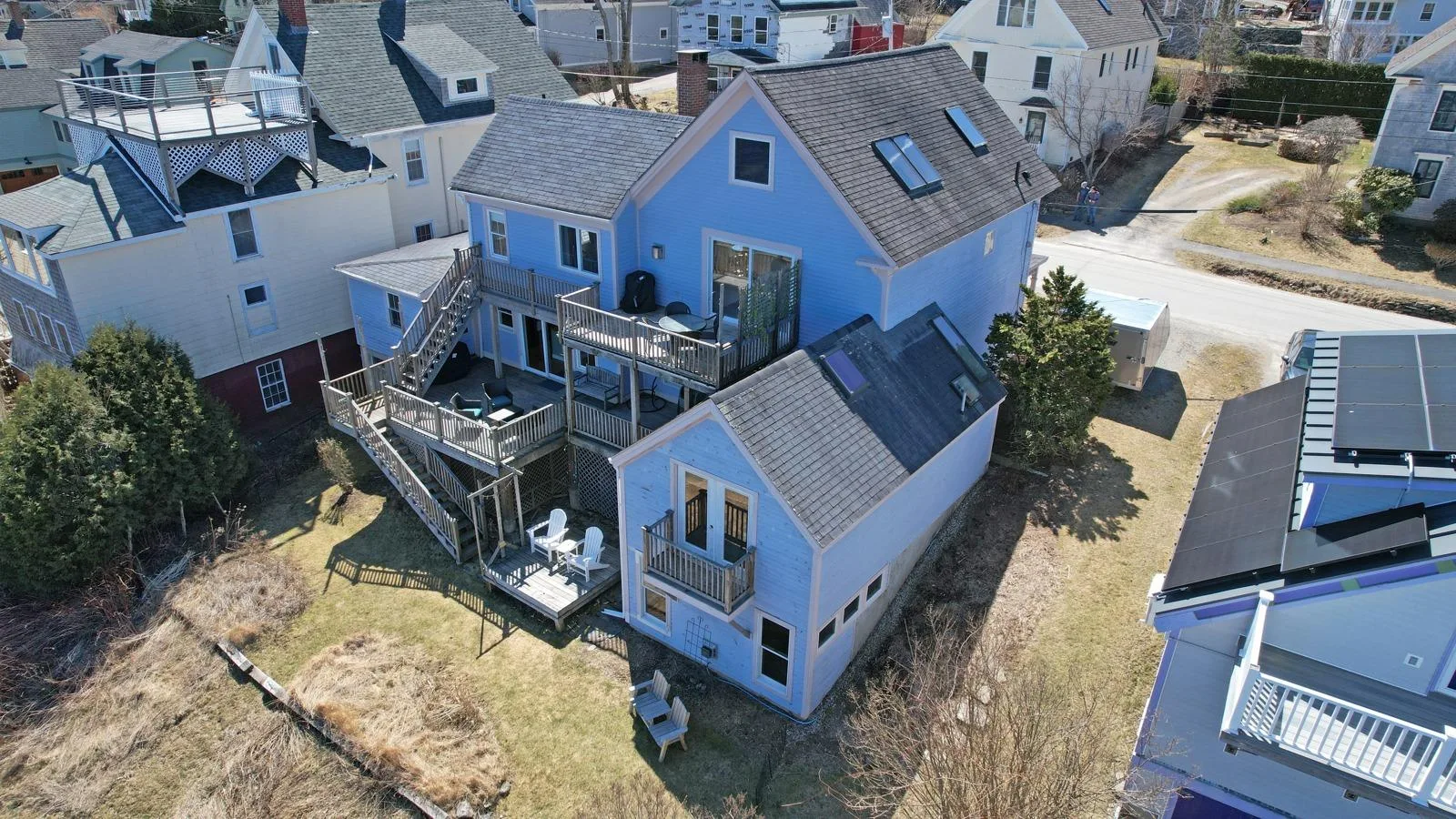
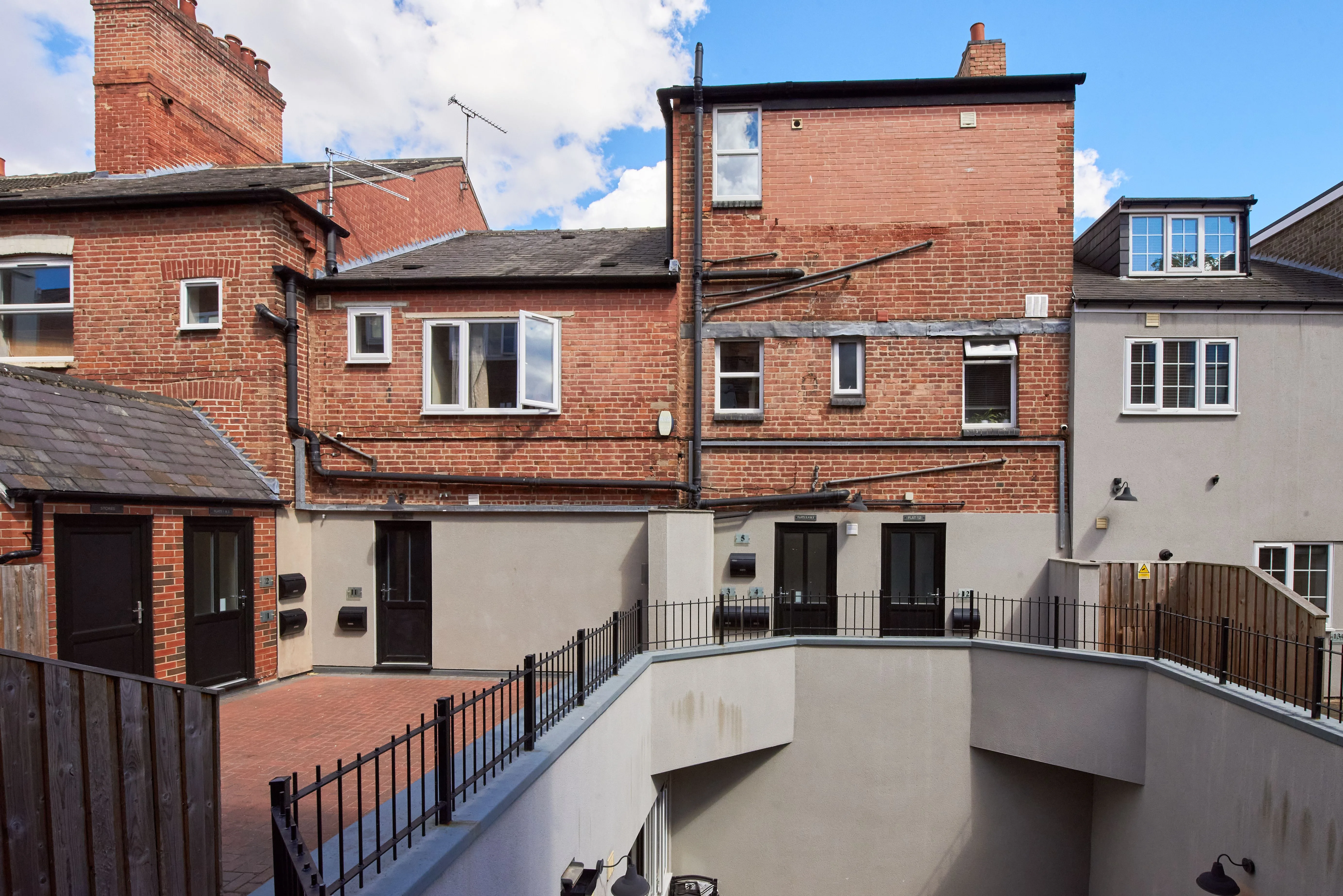
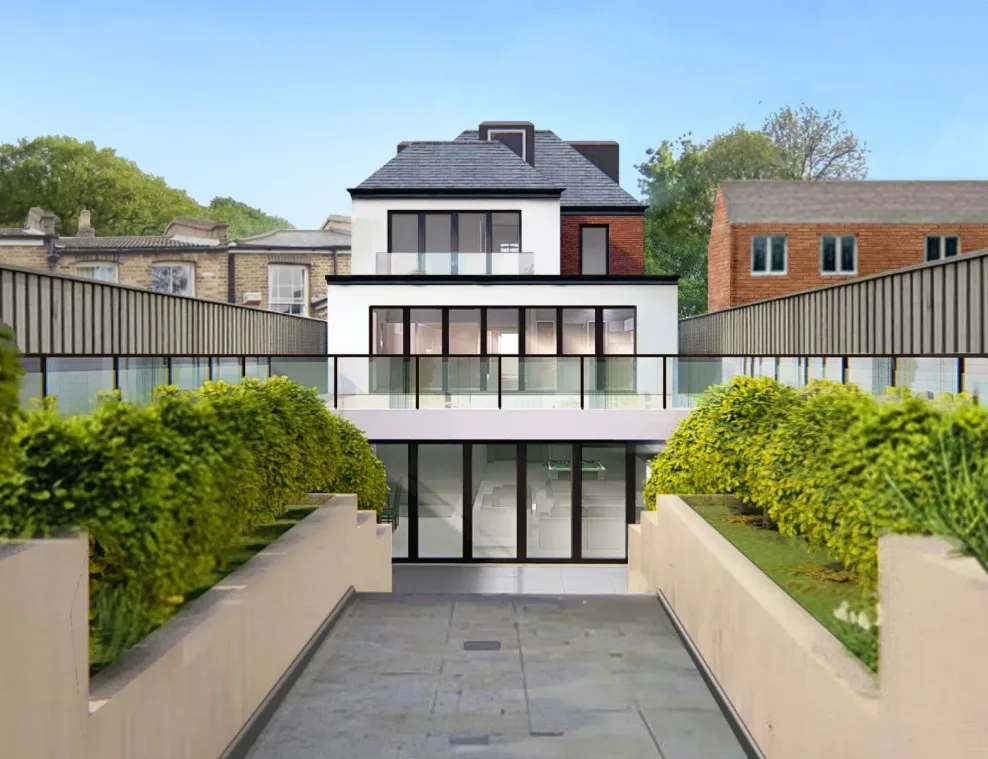
Wimbledon's Victorian and Edwardian terraces and semis across SW19 and SW20 generally suit single-storey rear extensions, side returns, and loft conversions. Larger Wimbledon Village properties, often Georgian or Classical in style, can support more ambitious double-storey or wraparound designs given typically larger plots.
Recent local work has included projects along Camelot Close, Hamilton Road, Arthur Road, Walpole Road and Colonne Road, alongside a project on Lincoln Avenue and a build in Taunton. Each followed roughly the same seasonal logic, checking planning status early, finalising design ahead of the busier submission months, and building once permission was secured.
Why an in-house structural engineer matters regardless of season
Coordinating a separate structural consultant tends to add delay at any time of year, since drawings and calculations can fall out of sync between two firms working independently. Having both handled by the same team keeps the process moving whether the project starts in January or July.
The one seasonal mistake worth avoiding
Rushing a submission to catch a specific season, particularly before autumn, is the most common timing mistake. An incomplete application or a design that hasn't fully addressed a conservation area's requirements tends to trigger a request for further information, which pauses the council's clock and often costs more time than waiting an extra few weeks to submit a complete application would have.
A property-specific feasibility check, covering Article 4 status, realistic timelines and likely costs, remains the most reliable way to plan a start date that actually works for a given property rather than working backwards from an arbitrary season.