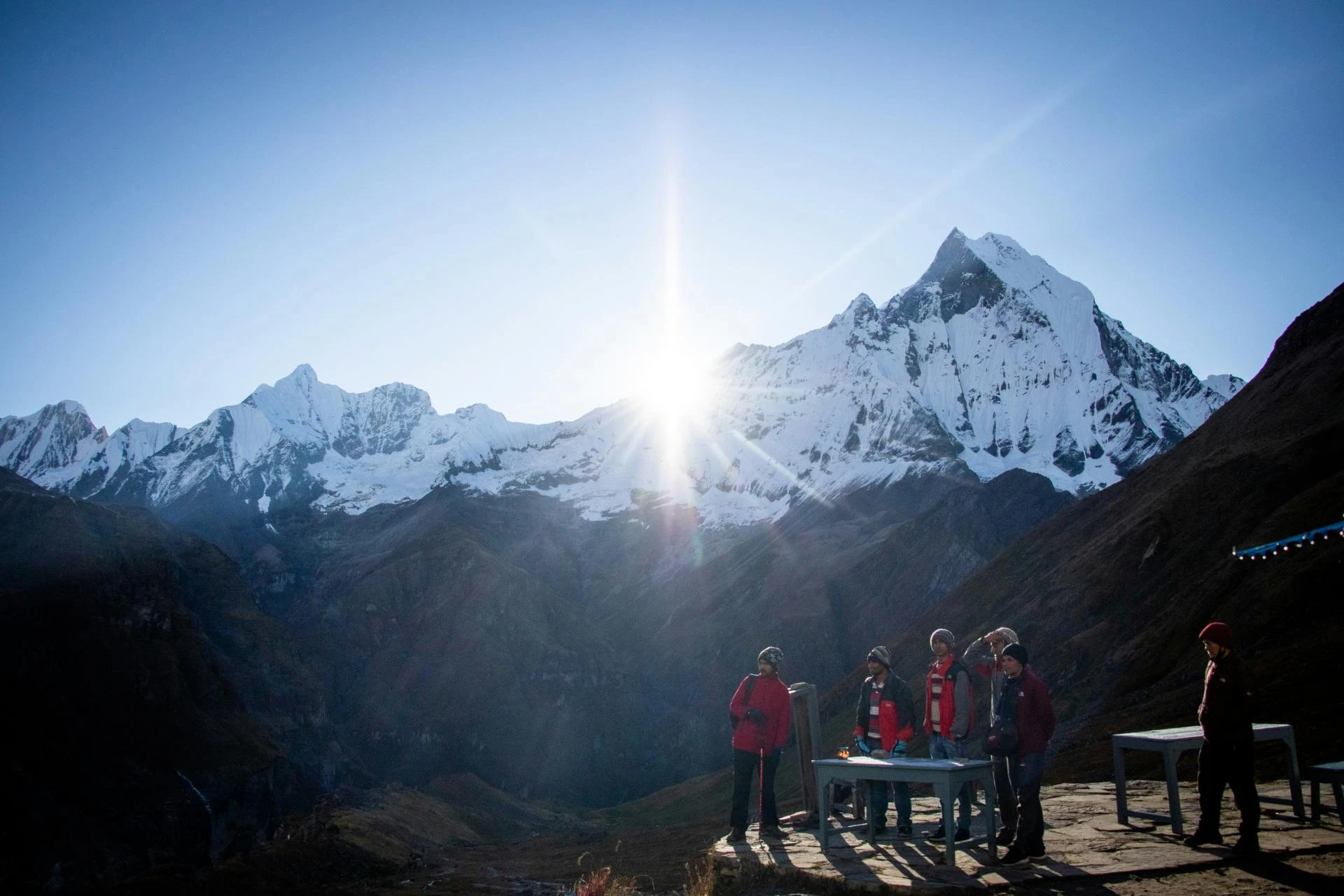
Golden sunlight spilling over snow-capped peaks, rhododendron forests in full bloom, and crisp mountain air filling your lungs—this is the magic of the ABC Trek. Choosing the right time to embark on this adventure can make all the difference. The Annapurna Base Camp trek is famous for its breathtaking views, diverse landscapes, and unique cultural experiences, but timing your journey well ensures you enjoy it at its best.
Why Timing Matters for the ABC Trek
The Annapurna Base Camp (ABC) trek is a moderate to challenging high-altitude trek. Weather, trail conditions, and scenery change dramatically with the seasons. Picking the right time allows you to avoid heavy rainfall, deep snow, or crowded trails, while still enjoying clear skies, wildflowers, and panoramic mountain views. Timing also impacts your comfort, safety, and the quality of your photos!
Key Statistics of the ABC Trek
Before planning your trip, it’s helpful to know some basic numbers about the trek:
- Average length: 7–12 days depending on your pace and acclimatization stops.
- Total distance: Approximately 115 kilometers (71 miles) round trip.
- Maximum elevation: 4,130 meters (13,549 feet) at Annapurna Base Camp.
These figures show that the ABC trek is manageable for moderately fit hikers but still requires preparation, proper gear, and good timing for the best experience.
Best Seasons for the Annapurna Base Camp Trek
1. Spring (March to May) – The Blooming Season
Spring is one of the most popular times to trek. Rhododendron forests burst into vibrant reds, pinks, and whites, creating a magical atmosphere along the trail. The weather is usually clear, making it perfect for photography and mountain views. Temperatures are moderate, and most teahouses are open and welcoming.
2. Autumn (September to November) – Clear Skies and Crisp Views
Autumn is considered the ideal trekking season by many. Monsoon rains have passed, leaving the air clean and the skies clear. This season provides the best visibility of Annapurna, Machapuchare (Fishtail), and surrounding peaks. It’s cooler than spring, making hiking more comfortable. The trails can be busier, but the stunning mountain vistas make it worth it.
3. Winter (December to February) – Snowy Adventure
Winter trekking is for the more adventurous. Trails are less crowded, and the crisp air enhances the clarity of mountain views. However, snow can make higher sections slippery and cold. Trekkers need proper winter gear and should be prepared for shorter daylight hours.
4. Monsoon (June to August) – Green but Rainy
The monsoon season transforms the hills into lush greenery and roaring waterfalls. While it’s beautiful, heavy rains can make trails slippery, muddy, and sometimes unsafe due to landslides. Views of the mountains are often blocked by clouds, making photography challenging. It’s generally not recommended unless you are experienced and enjoy trekking in rain.
Tips to Make Your Trek Enjoyable
- Book Accommodation in Advance: Spring and autumn are busy seasons. Reserve teahouses early to avoid full lodges.
- Pack Smart: Bring layers for changing temperatures, rain protection, and sturdy hiking boots.
- Acclimatize Properly: Even though ABC isn’t extremely high, your body needs time to adjust to altitudes over 4,000 meters.
- Start Early: Early mornings often provide the clearest skies and the best lighting for views.
- Check Local Festivals: Experiencing local festivals along the trail adds cultural depth to your adventure.
How to Capture the Best Views
- Sunrise at Annapurna Base Camp: Arrive early to watch the first rays illuminate Annapurna South and Machapuchare.
- Panoramic Views at Deurali: This spot offers sweeping landscapes and a great perspective of the surrounding peaks.
- Rhododendron Trails in Spring: Take your time walking through flowering forests for vibrant, colorful photos.
- Evening Views from Chhomrong: Sunset reflections over valleys and peaks make for magical scenery.
Conclusion
The ABC Trek is an adventure of a lifetime, but choosing the right time can transform it from great to unforgettable. Spring and autumn offer the clearest skies, moderate temperatures, and lush scenery, while winter and monsoon seasons provide unique experiences for the more adventurous. By planning carefully, acclimatizing properly, and respecting the mountains and local culture, you can enjoy the trek safely and fully.
So, pick your season, lace up your boots, and get ready to explore the Annapurna region with awe and wonder. The majestic peaks, vibrant villages, and unforgettable trails are waiting for you!