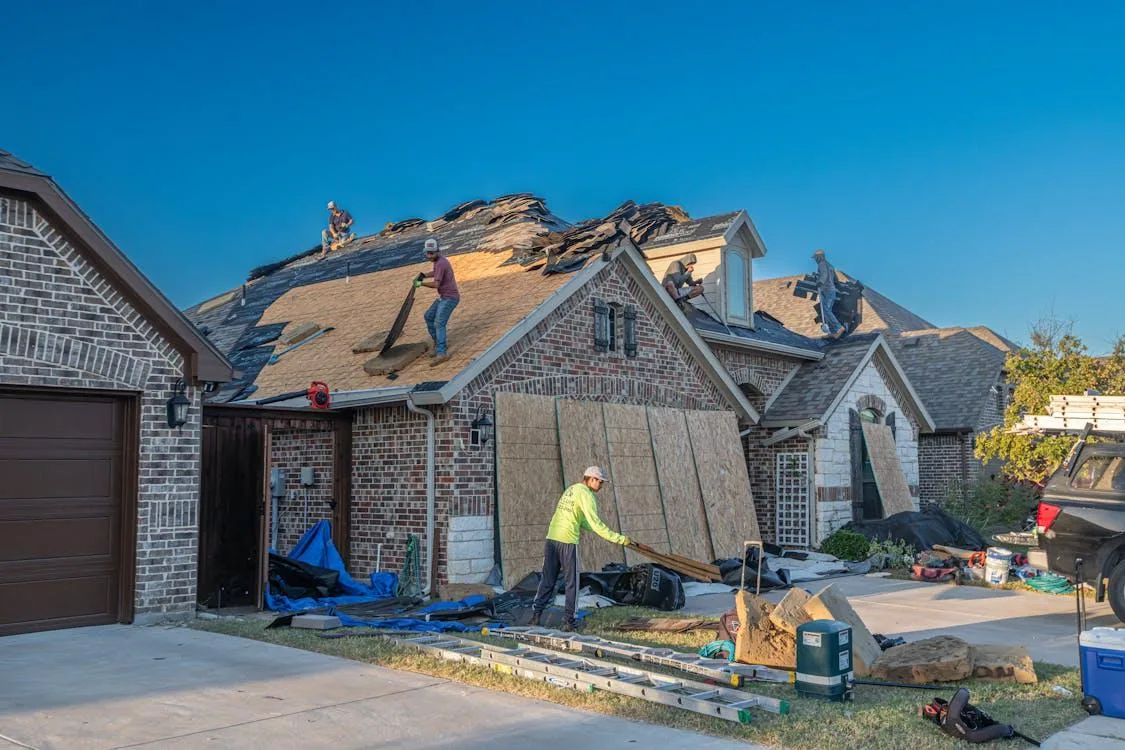
Could a roof with visible damage really need to be replaced from top to bottom? Not always. A roof can often remain serviceable when the problem is limited to a small area, while widespread deterioration may make replacement the more practical choice.
In fact, the National Roofing Contractors Association recommends that roofs be inspected at least twice a year, helping property owners identify problems before minor defects become larger repairs.
For homeowners considering roofing services in Boise, ID, understanding the difference between repairable damage and replacement-level deterioration can help prevent unnecessary costs and reduce the risk of leaving serious problems unresolved. Empire Renovations provides roofing expertise for property owners who need dependable solutions based on the actual condition of their roofs.
This guide examines the main factors that determine whether roof repair or full replacement makes more sense, from the size and type of damage to roof age, recurring problems, structural condition, and long-term value.
Start With the Extent of the Damage
The size of a roofing problem is one of the first factors to consider. A small, isolated issue does not automatically justify replacing the entire roof.
For example, a roof may only have:
· A few missing or damaged shingles
· A small area affected by wind
· Minor flashing damage around a vent
· A localized leak
· A limited section with cracked or deteriorated materials
· A small area of damage around a roof penetration
When damage is confined to one section and the surrounding materials remain in good condition, a professional repair may restore the roof without requiring a complete replacement.
However, repairs become less practical when damage covers large sections or appears in several unrelated areas. Widespread deterioration can indicate that the roof has reached the later stages of its useful life rather than suffering from one isolated problem.
Consider the Roof’s Overall Age
Age does not automatically determine whether a roof should be replaced, but it provides important context.
A relatively young roof with one damaged area may have many years of useful service remaining. In that situation, repairing the affected section can make financial and practical sense.
An older roof presents a different situation. If shingles are deteriorating across large sections, granules are washing away, flashing is failing, and leaks are appearing repeatedly, continued repairs may only address individual symptoms.
A professional assessment can help determine whether the roof still has enough serviceable material to make another repair worthwhile.
Look for Signs of Widespread Deterioration
A roof can sometimes look acceptable from the ground while showing significant wear during a closer inspection. Several warning signs may indicate that the issue goes beyond one repair.
These include:
Curling or Buckling Shingles
Shingles that curl, buckle, or lose their original shape may indicate aging or prolonged exposure to weather. If the problem is limited to a small section, replacement shingles may resolve it. If the same condition appears across much of the roof, full replacement may deserve consideration.
Granule Loss
Asphalt shingles gradually lose granules as they age. Some loss is expected, but substantial granule loss across many shingles can signal declining performance.
Repeated Leaks
One leak does not necessarily mean a roof needs to be replaced. However, recurring leaks in different locations can suggest broader deterioration or multiple weak points.
Damaged Flashing
Flashing directs water away from vulnerable areas such as chimneys, vents, skylights, and roof intersections. Localized flashing damage may be repairable. Widespread flashing failure can become more complicated, especially when other roofing materials are also deteriorating.
Ask Why the Damage Happened
Repairing visible damage without addressing its cause can result in repeated problems.
A professional inspection should consider what created the issue in the first place. Wind, hail, falling branches, poor ventilation, improper installation, aging materials, moisture intrusion, and drainage problems can all contribute to roofing damage.
For example, replacing a few shingles may solve the immediate issue after wind damage. But if water is also entering because flashing has failed, repairing only the shingles may leave another source of moisture unresolved.
Understanding the cause helps determine whether a targeted repair is sufficient or whether a larger project is justified.
Check the Roof Deck and Structural Condition
The surface of a roof is only one part of the system. Beneath the shingles or other roofing material is the roof deck, which provides the supporting surface.
If moisture has penetrated deeply enough to damage the deck, insulation, framing, or other components, the project may require more extensive work.
This is particularly important when a leak has been present for a long period. Water that repeatedly enters a building can contribute to wood deterioration and other structural concerns.
In these situations, simply installing new surface materials over the affected area may not address the underlying problem.
Think About Repair History
Another useful question is how often the roof has already needed attention.
A single repair after a storm is very different from a roof that requires repairs every few months. Repeated repair bills can gradually add up while the underlying roofing system continues to age.
Property owners can review:
· Previous repair dates
· Areas that have been repaired
· Types of materials replaced
· Recurring leak locations
· Previous inspection findings
· The approximate age of the roof
A pattern of repeated failures may suggest that replacement deserves serious consideration.
The Right Roofing Decision Starts With the Roof’s Actual Condition
What if the best roofing decision is not about choosing the cheapest option, but choosing the solution that fits the roof’s actual condition?
That distinction matters. A well-maintained roof with limited damage may benefit from a focused repair, while an aging roof with widespread deterioration may require replacement to provide dependable protection. There is no single answer that applies to every property.
Homeowners looking for roofing contractors in Boise ID, can turn to Empire Renovations for professional guidance based on the condition and needs of the roofing system. The company helps property owners address roofing concerns with practical solutions and experienced workmanship.
Contacting Empire Renovations for an assessment can help identify the source of the problem, clarify the available options, and determine whether roof repair or replacement is the more appropriate path for the property.
Author Bio
Michael F. Carter is a home improvement and building systems writer who focuses on practical guidance for homeowners. His work covers roofing, remodeling, exterior maintenance, and property improvement, with an emphasis on helping readers understand major home projects and make informed decisions.