A vehicle accident can happen unexpectedly, whether it involves a minor parking mishap, a rear-end collision or more significant road damage. Even a relatively small impact can leave a vehicle with damaged panels, scratches, dents or hidden structural issues. Choosing the right repairer is therefore an important decision that affects not only the appearance of your car but also its safety, performance and long-term value.
For motorists travelling around Melbourne's western suburbs, finding a reliable repair workshop close to home or work can make the entire experience more convenient. Derrimut is an important industrial and commercial area, with regular vehicle movement from commuters, delivery drivers, tradespeople and businesses operating across the western region. With busy roads and commercial traffic, accidental vehicle damage is an unfortunate possibility.
Understanding what professional collision repairs involve can help vehicle owners make informed decisions and avoid unnecessary complications.
Why Professional Accident Repairs Matter
After an accident, some vehicle owners focus primarily on visible damage. However, the condition of a vehicle cannot always be judged by its exterior appearance. A damaged bumper, misaligned door or dented quarter panel may indicate underlying issues that require further inspection.
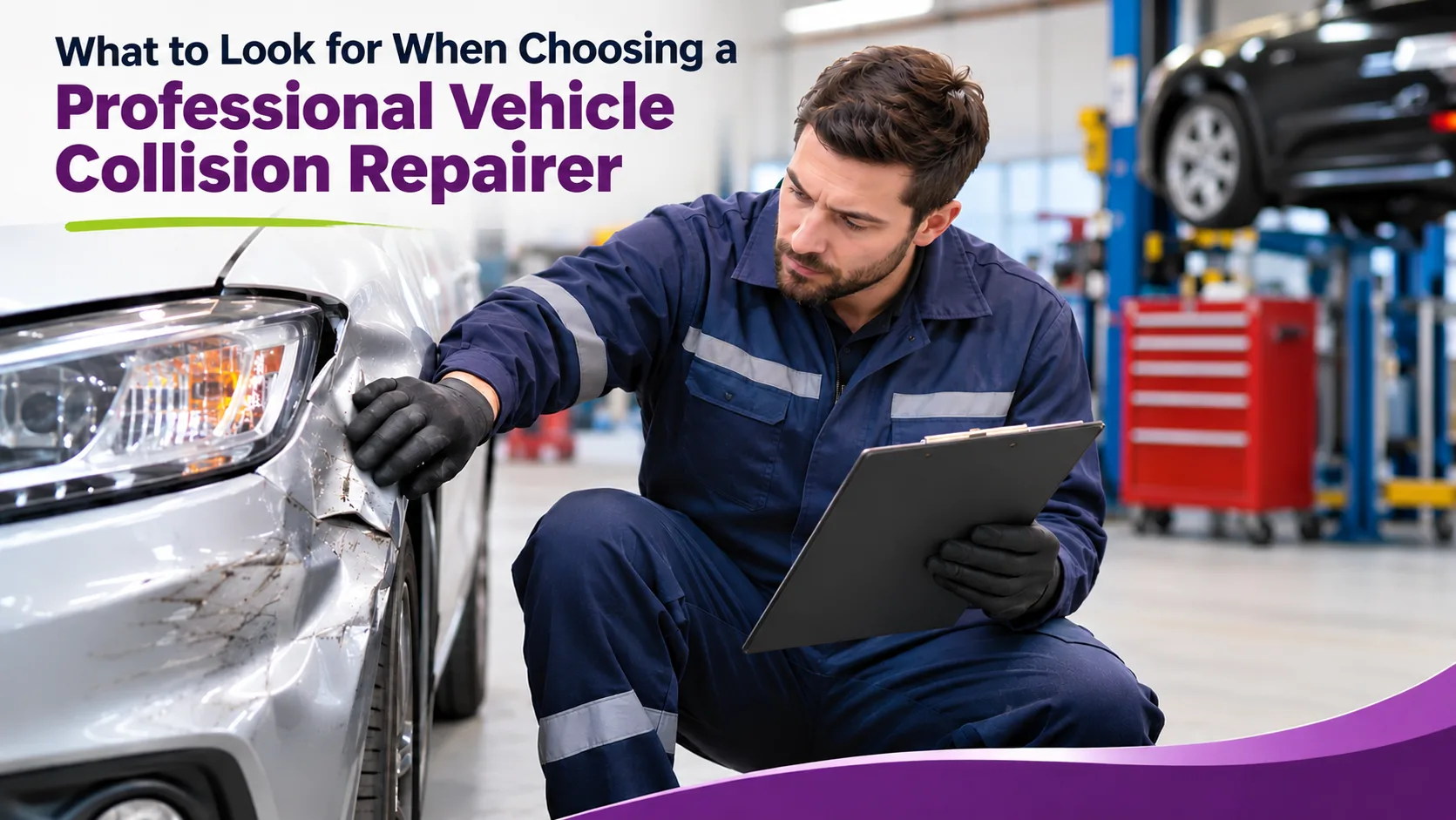
Professional smash repairs involve more than simply removing dents and applying fresh paint. A qualified repair team assesses the extent of the damage, identifies affected components and determines the appropriate repair methods.
Depending on the accident, the work may include:
- Panel beating: Repairing dents, reshaping damaged panels and restoring the vehicle's original body contours.
- Structural repairs: Addressing damage to important structural components to maintain vehicle integrity.
- Bumper repairs: Restoring or replacing damaged front and rear bumpers.
- Spray painting: Matching the original paint colour and achieving a consistent finish.
- Component replacement: Replacing damaged parts where repairs are no longer suitable.
- Final quality checks: Inspecting completed work to ensure the vehicle meets the required standards.
Selecting an experienced repairer helps ensure that visible and less obvious damage receives appropriate attention.
Understanding the Different Types of Vehicle Damage
Not every accident requires the same repair approach. The repair process depends on the vehicle's condition, the severity of the collision and the materials used in its construction.
Minor scratches and dents
Scratches, small dents and paint damage are common following minor accidents. Although these problems may appear cosmetic, untreated scratches can expose the underlying metal and increase the risk of corrosion. Professional assessment helps determine whether paint correction, panel repairs or refinishing is necessary.
Bumper and panel damage
Bumpers, doors, bonnets and guards are particularly vulnerable during collisions. Depending on the impact, these components may require reshaping, replacement or repainting to restore their original appearance.
Major collision damage
More serious accidents can affect structural components, suspension mounting points and other important vehicle systems. These repairs require careful assessment and appropriate equipment to restore the vehicle safely.
Paint and finish restoration
A quality repair should blend with the surrounding panels. Professional colour matching, surface preparation and controlled spray-painting techniques help achieve a consistent finish.
The Importance of Choosing an Experienced Repair Workshop
Experience is one of the most important factors when selecting an accident repair specialist. Modern vehicles feature increasingly complex designs, advanced materials, electronic components and driver assistance technologies. Repairing them requires suitable knowledge, equipment and attention to manufacturer recommendations.
Vehicle owners should consider several factors before choosing a workshop.
First, check whether the repairer has experience working with different makes and models. A workshop familiar with passenger vehicles, SUVs, utes and commercial vehicles may be better equipped to handle a wider range of repair requirements.
Second, ask about the repair materials and replacement components used. Genuine manufacturer parts, where appropriate, can help maintain compatibility and fitment.
Third, consider the workshop's communication practices. Customers should receive clear information about the damage, recommended repairs, estimated costs and expected completion time.
Finally, ask whether the repairer provides a workmanship warranty. This offers additional confidence that the workshop stands behind the quality of its completed repairs.
Making Insurance Repairs Less Complicated
Dealing with insurance paperwork after a collision can be just as frustrating as dealing with the vehicle damage itself. Understanding the claims process can help reduce delays and confusion.
Most insurance repair processes involve reporting the incident, submitting relevant information, arranging an assessment and obtaining approval for the necessary work.
Before proceeding, vehicle owners should understand their policy conditions, including excess payments, repairer selection rights and any applicable restrictions.
An experienced repair workshop can often assist by communicating with insurers, coordinating assessments and helping organise the required documentation.
Not-at-fault accidents may involve additional considerations. If another driver caused the collision, the available repair and claim options may differ depending on the circumstances and applicable insurance arrangements.
Getting professional guidance early can help motorists understand their options before committing to a repair process.
Supporting Local Drivers and Businesses
Derrimut's commercial and industrial environment means that reliable vehicles are essential for many local businesses. Delivery vehicles, trade utes, company cars and transport fleets all play an important role in daily operations.
When a vehicle is involved in an accident, extended downtime can affect schedules, customer commitments and business productivity.
For this reason, efficient accident repairs are particularly important for commercial operators. Fleet repair services can help businesses coordinate multiple vehicles, manage repair requirements and reduce unnecessary interruptions.
Heavy vehicles also require specialised attention because of their size, construction and operational requirements. Workshops equipped to handle trucks and commercial vehicles can provide a more suitable solution for businesses with larger transport requirements.
Choosing a conveniently located repair facility can also reduce the time and effort involved in dropping off and collecting vehicles.
Electric Vehicles Require Specialised Repair Considerations
Electric vehicles have introduced additional considerations to the collision repair industry. Unlike conventional petrol and diesel vehicles, EVs contain high-voltage battery systems and specialised electrical components.
Following an accident, even when exterior damage appears relatively minor, the vehicle may require additional safety inspections.
Technicians working on electric vehicles need appropriate training and must follow relevant safety procedures when assessing and repairing affected components.
Important considerations include:
- Inspecting the battery enclosure for signs of impact damage.
- Assessing high-voltage electrical components.
- Following manufacturer-recommended repair procedures.
- Checking relevant electronic and safety systems.
- Using suitable replacement components and repair equipment.
Vehicle owners should always choose a workshop with appropriate EV repair knowledge rather than assuming conventional repair methods are suitable for every electric vehicle.
Practical Steps to Take After a Vehicle Accident
Knowing what to do immediately after an accident can make the subsequent repair process easier.
- Check everyone's safety: Move to a safe location if possible and contact emergency services when necessary.
- Document the incident: Take photographs of the vehicles, visible damage, road conditions and relevant details.
- Exchange information: Collect the other driver's contact and insurance details.
- Notify your insurer: Report the incident and understand the requirements of your insurance policy.
- Arrange a professional assessment: Have the vehicle inspected by an experienced repairer, even if the visible damage appears minor.
- Review the repair quote: Understand the recommended work, parts, costs and expected timeframe before authorising repairs.
If the vehicle is unsafe to drive, avoid using it until it has been appropriately assessed.
Choosing a Reliable Repair Partner
Finding a trustworthy collision repairer involves looking beyond price alone. Quality workmanship, transparent communication, suitable repair facilities and experience should all influence the decision.
For motorists seeking professional assistance, smash repairs in Derrimut are available through Vitra Autobodies, an independent vehicle repair workshop based at 33 Makland Drive, Derrimut VIC 3026.
The workshop provides a range of services, including panel beating, insurance repairs, not-at-fault accident claims, truck smash repairs, fleet repairs, electric vehicle repairs and spray painting.
With 40 years of combined industry experience, the team focuses on quality workmanship, customer communication and restoring vehicles to their pre-accident condition where possible. The business also offers a lifetime warranty on repairs and works with major insurance companies to assist customers with the claims process.
Motorists can contact the workshop to discuss their vehicle damage, request a no-obligation quote and understand the next steps involved in getting their vehicle repaired.
Final Thoughts
Vehicle accidents can create unexpected expenses, inconvenience and uncertainty. However, choosing an experienced repair workshop can make the recovery process more manageable.
From minor dents and scratches to extensive collision damage, professional assessment and appropriate repair techniques are essential for maintaining a vehicle's appearance, safety and reliability.
By considering workmanship, experience, insurance assistance, repair methods and customer service, motorists can make more confident decisions and get back on the road with greater peace of mind.