
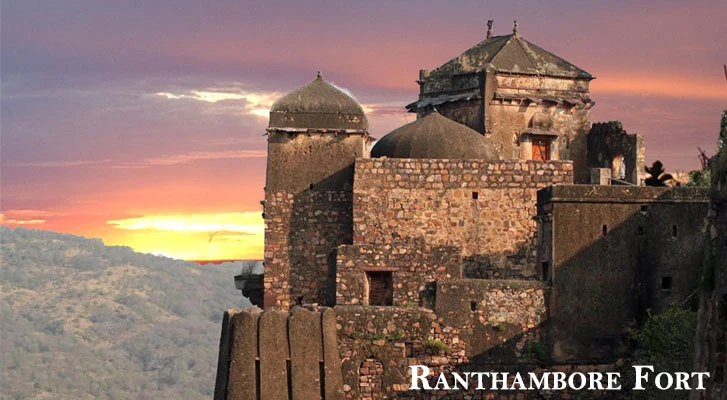
Ranthambore Fort, nestled within the heart of the Ranthambore National Park, stands as a proud sentinel of Rajasthan’s glorious past. For travelers exploring this majestic region, staying at a resort in Ranthambore offers a unique opportunity to experience history, wildlife, and royal heritage all at once. This remarkable fort is not only a symbol of architectural brilliance but also a testament to centuries of valor, devotion, and strategic ingenuity that shaped the destiny of the Rajput kings.
The Legacy of the Chauhan Dynasty
The origins of Ranthambore Fort date back to the 10th century when it was built under the reign of the Chauhan dynasty. Initially known as “Ranastambha,” meaning “the pillar of battle,” the fort served as a defensive stronghold that protected the kingdom from invading forces. Its elevation on the Thambhore hill provided a commanding view of the surrounding landscape, making it nearly impossible for enemies to launch surprise attacks. The Chauhans, particularly King Hammir Dev Chauhan, are celebrated for their courage and loyalty to their land. Their tales of resistance against powerful rulers like Alauddin Khilji remain deeply rooted in Rajasthan’s historical narrative.
Architectural Grandeur That Defines Rajasthan
Ranthambore Fort is a masterpiece of Rajput military architecture. Spread over 7 kilometers, it encompasses massive stone walls, majestic gateways, and intricately designed temples. The fort’s strategic positioning within the rugged terrain of the Aravalli and Vindhya ranges made it a formidable fortress. Visitors can still witness remnants of ancient palaces, reservoirs, and stepwells that speak volumes about the ingenuity of medieval engineers. Its seven gateways, including the famous Navlakha Pol and Hathi Pol, once echoed with the footsteps of warriors and the grandeur of royal processions. Every stone narrates a story of resistance, pride, and royal opulence.
A Symbol of Rajput Valor and Resistance
One of the most remarkable aspects that make Ranthambore Fort historically significant is its long-standing association with Rajput bravery. When Alauddin Khilji’s forces laid siege to the fort in the 13th century, King Hammir Dev Chauhan chose death over surrender. This heroic act of defiance became an eternal symbol of Rajput valor. The fort’s history is filled with such tales of loyalty and sacrifice, which continue to inspire generations. Even today, the site is revered as a cultural emblem that reflects the indomitable spirit of Rajasthan’s warriors.
Religious and Cultural Significance
Apart from its military importance, Ranthambore Fort holds immense religious value. The fort houses several ancient temples, including the revered Ganesh Temple, which attracts thousands of devotees each year. The temple is believed to be one of the oldest dedicated to Lord Ganesha in Rajasthan. Pilgrims from across the country visit the temple to seek blessings, especially during the Ganesh Chaturthi festival. The fort also shelters temples dedicated to Shiva, Ramlalaji, and Sumatinath, each reflecting the diverse spiritual traditions that flourished under the Rajput rule.
The Connection Between History and Nature
One of the most fascinating aspects of Ranthambore Fort is its harmonious coexistence with the surrounding wilderness. Perched high above the lush forest of Ranthambore National Park, the fort provides panoramic views of the dense jungles that are home to the majestic Bengal tiger. Visitors often explore the nearby Ranthambore Safari Zone to witness the beauty of this biodiverse ecosystem. The seamless blend of nature and history adds a unique charm to the fort, making it a favorite destination for historians, wildlife enthusiasts, and photographers alike.
Declared a UNESCO World Heritage Site
Recognizing its historical, architectural, and cultural value, Ranthambore Fort was declared a UNESCO World Heritage Site in 2013 as part of the “Hill Forts of Rajasthan.” This prestigious status further highlights its significance as a heritage monument of global importance. The fort’s preservation ensures that future generations can continue to admire its splendor and learn about the dynasties that shaped Rajasthan’s legacy.
Exploring the Fort: What Visitors Can Expect
Walking through Ranthambore Fort is like stepping back in time. The fort’s winding pathways, crumbling bastions, and panoramic viewpoints transport visitors to an era where courage and honor defined kingdoms. From the Ranthambhore Mahadeo Temple to the Badal Mahal, each corner offers glimpses of intricate carvings and ancient inscriptions. Travelers often combine their historical exploration with a stay at a luxury resort in ranthambore to experience both royal comfort and natural beauty. These resorts provide not just accommodation but a complete immersion into Rajasthan’s cultural richness, often offering curated tours of the fort and nearby attractions.
The Fort’s Role in Shaping Regional Identity
Beyond its physical grandeur, Ranthambore Fort has played a crucial role in shaping the identity of the region. It has witnessed the rise and fall of dynasties, the exchange of cultures, and the evolution of Rajasthan’s architectural traditions. The fort served as a seat of power for the Chauhans, the Mughals, and later the rulers of Jaipur, each leaving behind distinct marks that together form a complex tapestry of heritage.
Preservation and Modern Relevance
Today, the fort stands not only as a relic of the past but also as a symbol of sustainable heritage preservation. Local authorities and conservation groups have undertaken initiatives to restore its structures while maintaining its authenticity. Tourism at Ranthambore Fort has grown significantly, contributing to the local economy and raising awareness about the importance of preserving cultural monuments. Visitors are encouraged to respect the site’s historical sanctity while enjoying its breathtaking surroundings.
Conclusion
Ranthambore Fort’s historical importance lies in its ability to bridge the past and the present. It embodies Rajasthan’s spirit of resilience, its devotion to art and faith, and its seamless harmony with nature. Whether you are an explorer tracing the footsteps of ancient kings, a devotee seeking divine blessings, or a traveler eager to witness the wild beauty of Ranthambore, this fort offers an unforgettable journey through time. Its walls, though silent, still echo with stories of courage and glory that define India’s timeless heritage.