
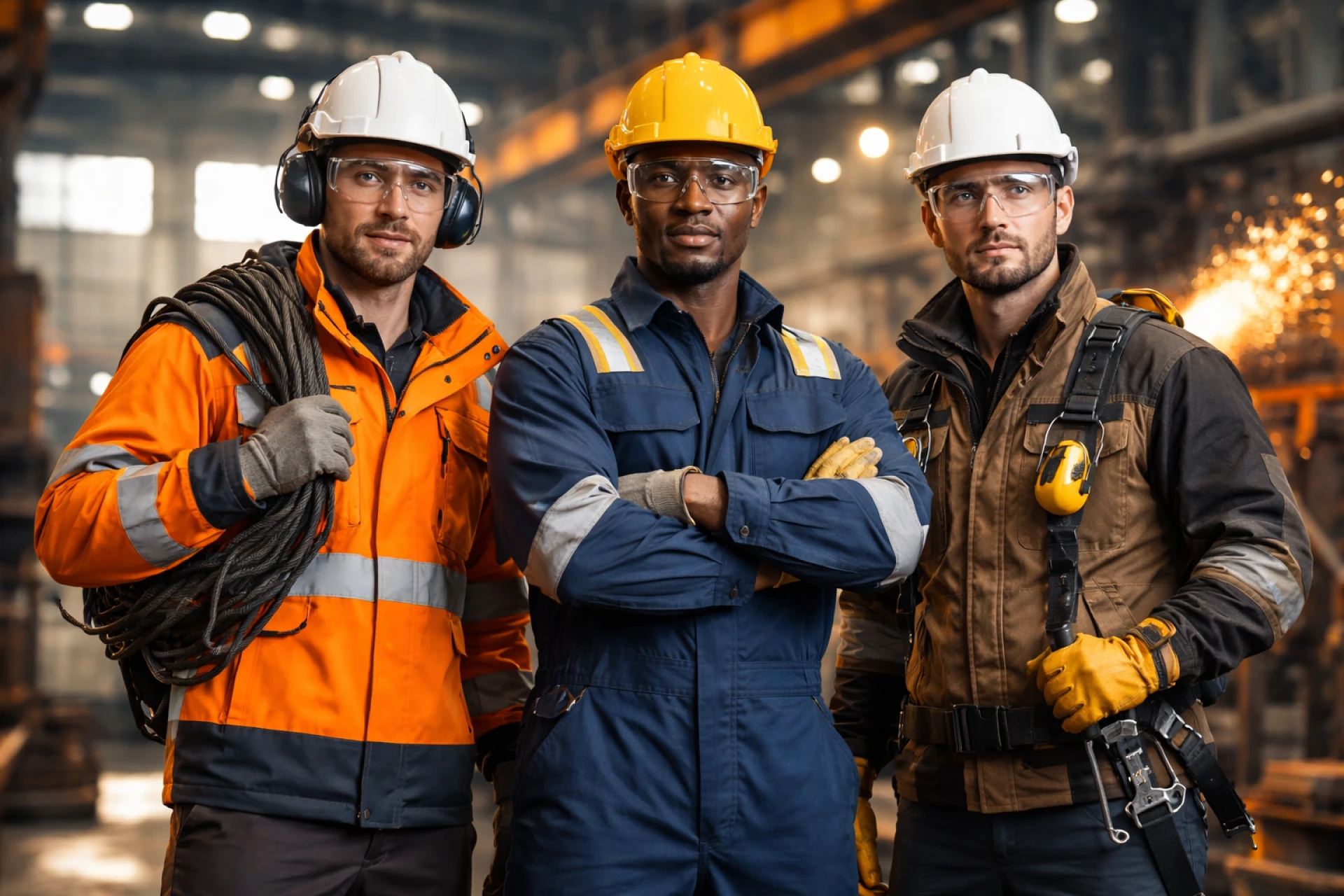
From construction sites and manufacturing plants to oil & gas industries and logistics operations, the right clothing is not just a uniform; it’s a critical tool that protects workers and enhances performance. Industrial workwear plays a vital role in modern workplaces where safety, durability, and efficiency are essential.
In this article, we’ll explore what industrial workwear is, why it matters, and how it directly improves workplace safety and productivity. We’ll also highlight how professional providers like Armillary offer high-quality solutions tailored to industry needs.
What Is Industrial Workwear?
Industrial workwear refers to specialized clothing designed for workers in physically demanding and potentially hazardous environments. This includes garments such as coveralls, jackets, trousers, gloves, safety boots, and high-visibility vests.
Unlike regular clothing, industrial workwear is built for durability, functionality, and protection. It is engineered using advanced materials that can withstand harsh conditions such as extreme temperatures, chemicals, abrasion, and heavy wear.
It’s important to distinguish between general workwear and personal protective equipment (PPE). Workwear is primarily designed for durability and comfort, while PPE is specifically intended to protect against hazards like impact, chemicals, or electrical risks.
Key Features of Industrial Workwear.
Industrial workwear is designed with specific features that support both safety and efficiency:
1. Durability and Strength
Workwear and Uniforms for every sector are made from tough fabrics like reinforced cotton, polyester blends, or flame-resistant materials. These fabrics resist tearing, abrasion, and wear, making them ideal for long working hours in demanding environments.
2. Protective Capabilities
Many types of industrial workwear include built-in protection, such as
- Flame-resistant clothing
- Chemical-resistant suits
- High-visibility garments
- Anti-static materials
These features help reduce exposure to workplace hazards like heat, chemicals, and electrical risks.
3. Comfort and Ergonomics
Modern workwear is designed for comfort with breathable fabrics, moisture-wicking technology, and flexible fits. Comfortable workers are more focused and less fatigued, which directly impacts productivity.
4. Functionality
Industrial clothing often includes multiple pockets, reinforced stitching, tool holders, and weather-resistant coatings to improve convenience and efficiency on the job.
How Industrial Workwear Improves Workplace Safety.
1. Protection Against Workplace Hazards
One of the primary purposes of industrial workwear is to act as a first line of defense against workplace risks. Workers in industries like construction or manufacturing face hazards such as sharp tools, heavy machinery, chemicals, and extreme weather.
Proper workwear significantly reduces the risk of injuries such as cuts, burns, and exposure to harmful substances.
2. Enhanced Visibility
High-visibility clothing with reflective strips ensures workers are easily seen in low-light or high-traffic environments. This is especially important in construction zones and roadwork areas, where visibility can prevent serious accidents.
3. Compliance with Safety Regulations
Many industries require workers to wear specific types of protective clothing to meet safety standards. Employers must conduct risk assessments and provide appropriate gear to minimize hazards.
Wearing compliant workwear helps organizations avoid legal issues and ensures a safer working environment.
4. Reduced Risk of Long-Term Health Issues
Industrial workwear also protects against long-term risks such as exposure to harmful chemicals, dust, or extreme temperatures. This helps prevent chronic health conditions and improves overall worker well-being.
How Industrial Workwear Boosts Productivity.
1. Increased Worker Confidence
When employees feel safe, they are more confident in performing their tasks. A secure work environment reduces stress and allows workers to focus on their responsibilities.
2. Improved Efficiency
Functional workwear with tool pockets, proper fit, and flexibility enables workers to move freely and perform tasks more efficiently. This reduces downtime and increases output.
3. Reduced Workplace Injuries
Fewer injuries mean fewer disruptions. Workwear minimizes accidents, which leads to the following:
- Less absenteeism
- Lower medical costs
- Improved workflow continuity
4. Better Team Identity and Professionalism
Uniform industrial workwear creates a sense of unity and professionalism among workers. It also enhances brand image, especially in client-facing industries.
5. Comfort Leads to Better Performance
Modern workwear is designed to regulate temperature and reduce fatigue. Comfortable workers are more productive and can maintain focus for longer periods.
Industries That Rely on Industrial Workwear.
Industrial workwear is essential across multiple sectors, including:
- Construction
- Manufacturing
- Oil and gas
- Logistics and warehousing
- Electrical and engineering
- Mining and heavy industries
Each industry requires specific types of clothing based on the risks involved, making customized solutions crucial.
Choosing the Right Industrial Workwear.
Selecting the right workwear involves understanding workplace hazards and employee needs. Here are key factors to consider:
- Risk Assessment: Identify potential hazards such as heat, chemicals, or sharp objects
- Material Quality: Choose durable and certified fabrics
- Fit and Comfort: Ensure proper sizing for ease of movement
- Compliance Standards: Verify that clothing meets safety regulations
- Weather Conditions: Select appropriate gear for hot, cold, or wet environments
Reliable providers like Armillary offer a wide range of industrial workwear designed to meet international safety standards while maintaining comfort and durability.
The Future of Industrial Workwear.
Industrial workwear is continuously evolving with new technologies and materials. Innovations include:
- Smart fabrics with temperature control
- Wearable safety technology
- Lightweight yet highly durable materials
- Sustainable and eco-friendly fabrics
These advancements are making workwear more efficient, comfortable, and environmentally responsible.
FAQs
1. What is the difference between industrial workwear and PPE?
Industrial workwear focuses on durability and comfort for daily tasks, while PPE is specifically designed to protect against workplace hazards like chemicals, impact, or electrical risks.
2. Why is industrial workwear important in the workplace?
It helps reduce injuries, ensures compliance with safety regulations, and improves worker efficiency and comfort.
3. How does workwear improve productivity?
By enhancing comfort, reducing fatigue, and minimizing injuries, workwear allows employees to focus better and work more efficiently.
4. How do I choose the right industrial workwear?
Consider workplace risks, material quality, comfort, compliance standards, and environmental conditions when selecting workwear.