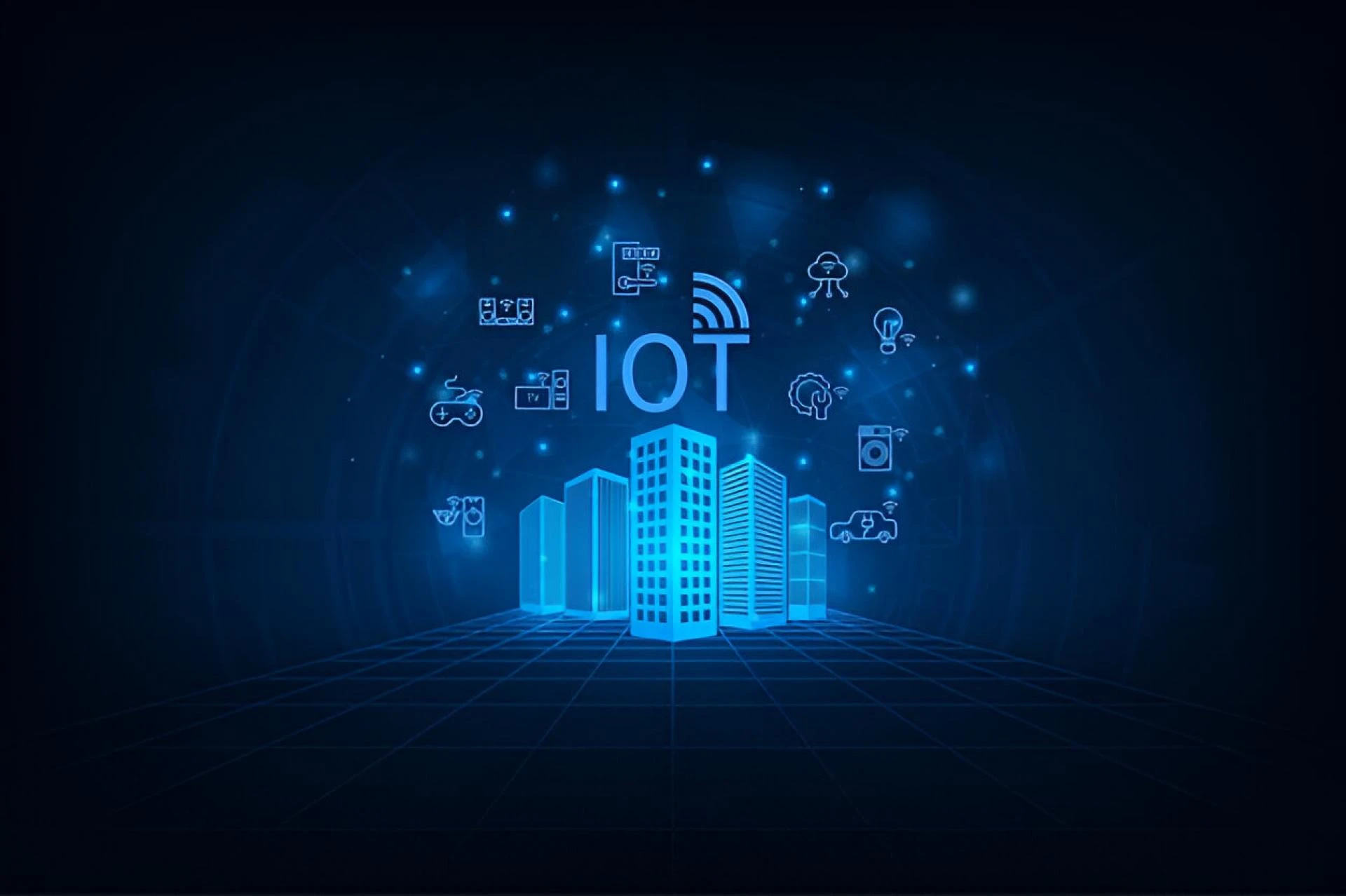
In today’s rapidly evolving technological landscape, the Internet of Things (IoT) is transforming how businesses operate, particularly in managing.
Commercial building automation in IoT is an innovative approach that integrates smart technologies to optimize building operations, enhance energy efficiency, improve occupant comfort, and reduce operational costs.
Commercial Building Automation
At its core, commercial building automation refers to the centralized control of a building’s various systems, such as heating, ventilation, and air conditioning (HVAC), lighting, security, fire safety, and more.
Traditionally, these systems were managed independently, often leading to inefficiencies, higher costs, and increased energy consumption.
IoT building automation systems have evolved into interconnected networks of smart devices and sensors that communicate in real time.
This connectivity enables building managers and facility operators to monitor, control, and automate building operations remotely through a unified platform.
What Is IoT Building Automation?
IoT building automation leverages the power of the Internet of Things to connect multiple building systems using sensors, controllers, and actuators embedded throughout the building infrastructure.
These devices collect data on environmental conditions, energy use, occupancy, and system performance. The data is then transmitted to cloud-based platforms or local servers, where advanced analytics and AI algorithms analyze it to optimize operations.
This smart integration facilitates automatic adjustments to lighting, temperature, and security protocols based on occupancy patterns or environmental changes, enhancing comfort while reducing waste.
For example, IoT sensors can detect when a conference room is empty and automatically turn off lights and HVAC systems, conserving energy without sacrificing occupant comfort.
Key Components of Building Automation Systems in IoT
Controllers: These are the brains behind automation. Controllers receive input from sensors and execute commands to actuators according to preset rules or AI-driven algorithms.
Communication Network: IoT-enabled buildings rely on robust communication protocols (like Wi-Fi, Zigbee, Bluetooth, or LoRaWAN) to transmit data seamlessly across devices and control centers.
Cloud Platforms and Analytics: Cloud integration allows for scalable data storage, real-time monitoring, and predictive maintenance by analyzing historical trends and system performance.
User Interfaces: Mobile apps, web dashboards, or dedicated control panels provide building managers with an intuitive way to monitor and manage building operations remotely.
Benefits of IoT-Based Commercial Building Automation
1. Energy Efficiency and Cost Savings
One of the most compelling advantages of building automation solutions using IoT is energy optimization.
Automated controls can reduce unnecessary energy consumption by adjusting lighting, heating, and cooling based on occupancy and external weather conditions.
Studies show that IoT-driven building automation can reduce energy use by up to 30%, significantly lowering utility bills and the building’s carbon footprint.
2. Enhanced Occupant Comfort and Productivity
A comfortable indoor environment directly affects occupant well-being and productivity. IoT building automation systems dynamically adjust environmental settings such as temperature, air quality, and lighting to maintain optimal conditions.
Personalized comfort settings can even be programmed for different zones or times of day, improving employee satisfaction and reducing absenteeism.
3. Improved Security and Safety
Integrated building automation systems offer advanced security features like smart access control, surveillance cameras, and alarm systems that can be monitored and managed remotely.
IoT sensors can detect unusual activities, smoke, or hazardous gases, triggering alerts and automated responses to ensure occupant safety.
4. Predictive Maintenance and Reduced Downtime
IoT sensors continuously monitor equipment health, providing real-time data on performance and potential failures.
This enables predictive maintenance, where issues are addressed before they escalate into costly breakdowns, ensuring smoother operations and extending the lifespan of critical assets.
5. Scalability and Flexibility
IoT building automation platforms are modular and scalable. As your commercial property grows or your operational needs change, you can easily add new devices, integrate additional systems, or update automation rules without a complete overhaul of infrastructure.

Popular Applications of Commercial Building Automation in IoT
HVAC Control: Automated heating and cooling based on occupancy and weather forecasts.
Lighting Management: Smart lighting that dims or turns off in unoccupied areas.
Energy Monitoring: Tracking energy consumption and optimizing peak usage.
Security Systems: Real-time monitoring with smart locks, cameras, and intrusion detection.
Fire and Safety Systems: Automated smoke detectors and emergency response alerts.
Access Control: Remote management of entry permissions for employees and visitors.
Space Utilization: Sensors analyze occupancy to optimize workspace allocation.
Choosing the Right Building Automation Solutions
Selecting the best building automation solutions for your commercial property depends on several factors, including building size, existing infrastructure, budget, and specific operational goals. Here are some tips to consider:
Integration Capability: Ensure the system supports seamless integration with existing HVAC, lighting, and security systems.
User-Friendly Interface: Look for intuitive control platforms that allow easy monitoring and management.
Scalability: Opt for solutions that can grow with your business and accommodate future IoT devices.
Security: Prioritize robust cybersecurity measures to protect sensitive data and prevent unauthorized access.
Vendor Support: Choose providers with reliable customer service and technical support.
Future Trends in IoT Building Automation
The future of IoT building automation is bright and filled with innovation. Advancements in AI, machine learning, and edge computing will drive smarter automation, enabling buildings to self-optimize in real time with minimal human intervention.
Integration with renewable energy sources and electric vehicle charging infrastructure will further enhance sustainability efforts.
Moreover, as 5G networks expand, faster and more reliable connectivity will support complex IoT ecosystems in commercial buildings, enabling even more sophisticated automation scenarios.
Conclusion
Commercial building automation powered by IoT represents a paradigm shift in how modern buildings are managed. By connecting disparate systems into a smart, responsive network, building automation systems significantly improve operational efficiency, energy conservation, occupant comfort, and safety.
Whether you are a facility manager, property owner, or business leader, investing in advanced building automation solutions is a strategic step toward sustainable and intelligent building management.