Many people sell old, damaged, or unwanted vehicles to car wreckers without knowing what actually happens after the car is collected. Some assume the vehicle is immediately crushed and discarded, but the process is much more detailed and environmentally responsible.
Modern wrecking yards play an important role in vehicle recycling, used auto parts supply, and waste reduction. Every vehicle that arrives at a wrecking yard goes through several important stages before the remaining materials are recycled.
In this blog, we’ll explain exactly what happens to your vehicle after it reaches a car wreckers Perth and how the process benefits both car owners and the environment.
Step 1: Vehicle Inspection and Registration
Once your vehicle arrives at the wrecking yard, the first step is a complete inspection.
The wrecking team records important details such as:
- Vehicle make and model
- Registration information
- Vehicle Identification Number (VIN)
- Overall condition
- Existing damage
This process helps the wrecker determine which parts can be reused, repaired, recycled, or safely disposed of.
Vehicles that still contain valuable working components are often prioritised for dismantling instead of immediate crushing.
Step 2: Removal of Hazardous Fluids
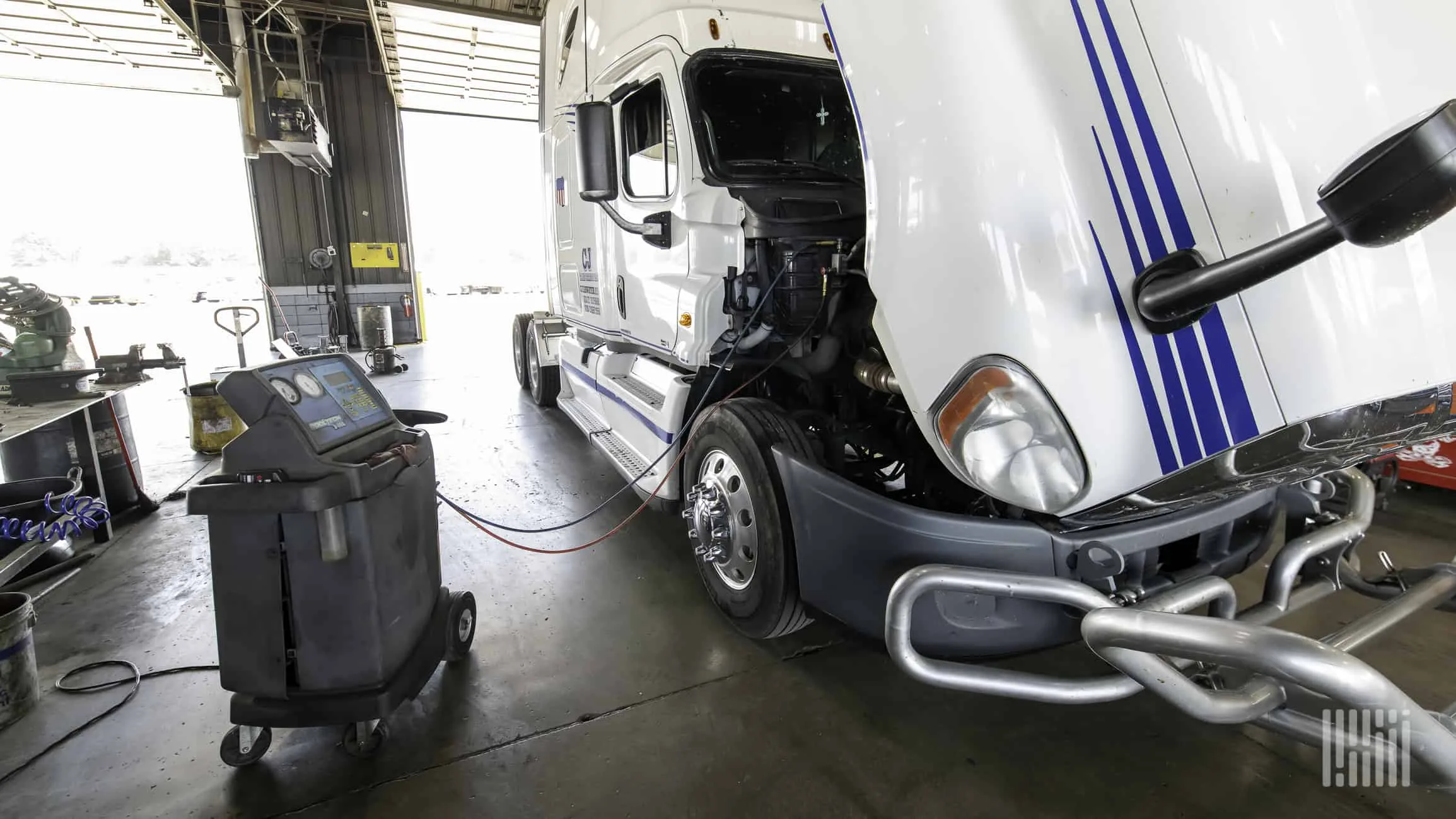
Before dismantling begins, all hazardous liquids and materials are carefully removed from the vehicle.
This includes:
- Engine oil
- Transmission fluid
- Brake fluid
- Coolant
- Fuel
- Air conditioning gases
These substances can be harmful to the environment if not handled properly. Professional wrecking yards use specialised equipment to safely drain and store these fluids for recycling or disposal according to environmental regulations.
This step is extremely important because it prevents soil contamination and water pollution.
Step 3: Battery and Tyre Removal
Next, technicians remove components that require separate recycling processes.
Batteries - Car batteries contain lead and acid, which can be dangerous if dumped into landfill. Most wrecking yards send batteries to specialist recycling facilities where materials can be reused safely.
Tyres - Tyres are also removed and inspected. Some may still be reusable if they are in good condition, while damaged tyres are recycled into products like:
- Rubber flooring
- Road materials
- Playground surfaces
Recycling these materials helps reduce environmental waste.
Step 4: Dismantling Valuable Parts
After the vehicle is made safe, the dismantling process begins.
This is one of the most important stages because many vehicle parts can still be reused or sold.
Technicians carefully remove valuable components such as:
- Engines
- Gearboxes
- Alternators
- Starter motors
- Doors and mirrors
- Headlights and tail lights
- Radiators
- Suspension parts
- Interior electronics
These parts are tested, cleaned, labelled, and stored for resale.
Used auto parts Perth are highly popular because they offer a more affordable alternative to brand-new dealership components.
Step 5: Testing and Refurbishment
Some reusable parts undergo additional testing and refurbishment before being sold.
For example:
- Engines may be compression-tested
- Electronic components may be checked for faults
- Panels may be repaired and repainted
- Mechanical parts may be cleaned and reconditioned
This ensures buyers receive functional and reliable used parts.
Many mechanics and car owners purchase recycled parts because they help reduce repair costs without sacrificing quality.
Step 6: Recycling Metal Components
Once all reusable parts are removed, the remaining vehicle shell is prepared for metal recycling. The shell is usually crushed or compacted before being transported to a metal recycling facility. Vehicles contain large amounts of recyclable materials, including:
- Steel
- Aluminium
- Copper
- Iron
These metals are melted down and reused in manufacturing industries.
Recycling metal reduces the need for mining raw materials, helping conserve natural resources and reduce environmental impact.
Step 7: Proper Disposal of Non-Recyclable Materials
Not every vehicle component can be reused or recycled.
Materials such as:
- Damaged plastics
- Certain fabrics
- Broken glass
- Contaminated materials
may require safe disposal through approved waste management systems.
Professional wrecking yards follow environmental guidelines to ensure harmful waste does not end up polluting the environment.
Why Vehicle Wrecking Is Important
Car wrecking is not simply about scrapping unwanted cars—it is an essential part of the automotive recycling industry.
- Environmental Benefits - Wrecking yards help reduce landfill waste and conserve valuable resources by recycling metal and reusable parts.
- Affordable Auto Parts - Used parts from wrecking yards allow drivers to repair vehicles at lower costs.
- Reduced Manufacturing Demand - Reusing parts decreases the demand for new component production, which helps reduce energy consumption and industrial waste.
- Safe Vehicle Disposal - Wreckers ensure dangerous materials are removed and disposed of correctly.
What Vehicles Can Be Wrecked?
Most wrecking yards accept a wide range of vehicles, including:
- Accident-damaged cars
- Flood-damaged vehicles
- Old and unwanted cars
- Non-running vehicles
- Unregistered cars
- Commercial vans and utes
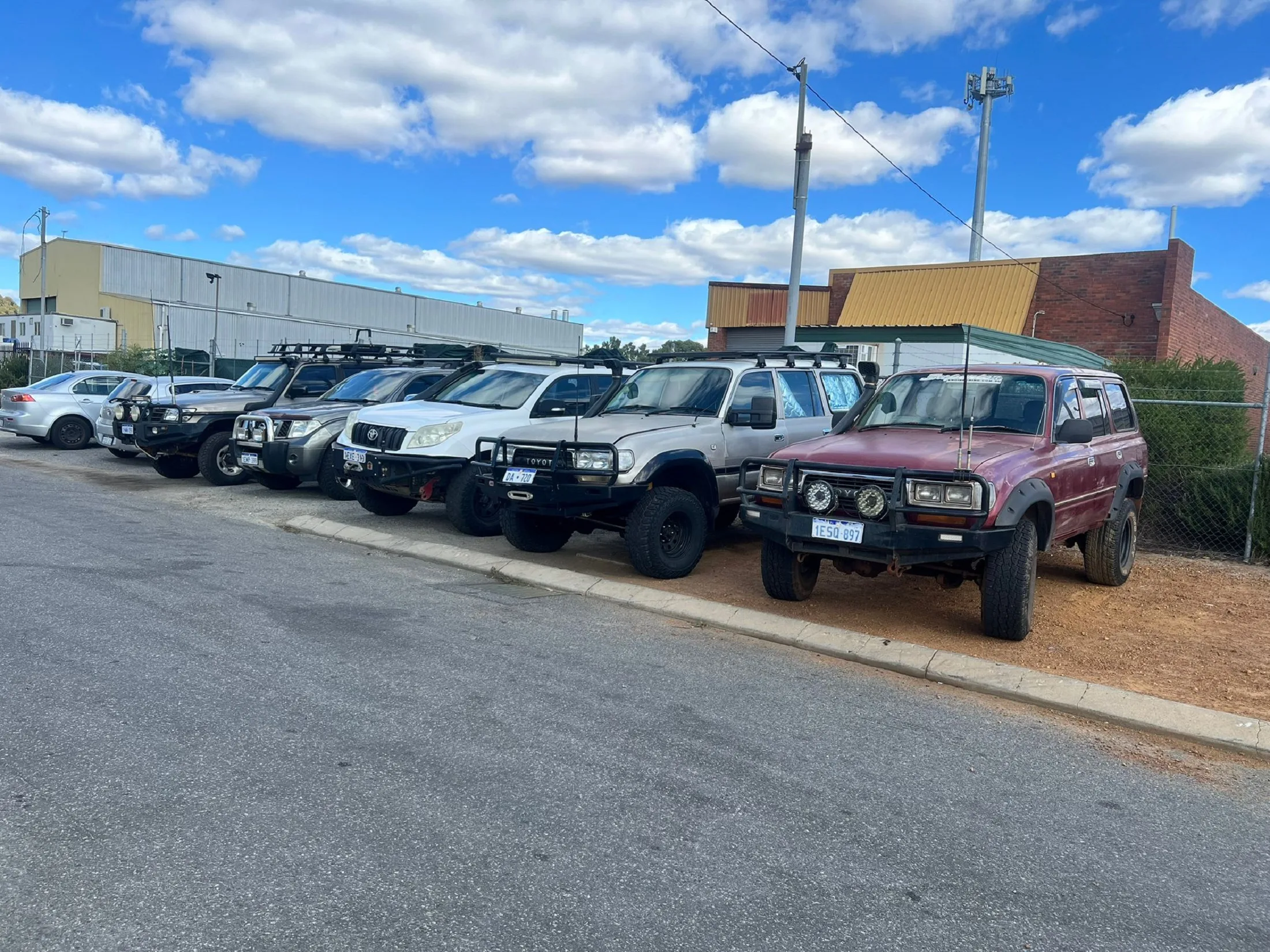
- 4WDs and SUVs
Even vehicles that appear completely unusable often contain valuable recyclable materials and reusable parts.
How Long Does the Process Take?
The dismantling and recycling process can vary depending on the condition of the vehicle.
Some cars may be dismantled within a day, while others with valuable components may take longer for careful inspection and parts removal.
However, from the owner’s perspective, the selling process is usually very fast. Most wreckers provide:
- Same-day pickup
- Instant cash payment
- Free car removal services
This makes vehicle disposal convenient and stress-free.
Final Thoughts
After your vehicle reaches a wrecking yard, it goes through a detailed process designed to maximise reusable parts, recycle valuable materials, and safely dispose of hazardous waste. From fluid removal and dismantling to metal recycling and used parts resale, every stage plays an important role in protecting the environment and supporting the automotive industry.
Modern wrecking yards are far more than scrap yards—they are recycling centres that help reduce waste, lower repair costs, and promote sustainable vehicle disposal.
So, the next time you sell an old or damaged car to a wrecker, you can feel confident knowing your vehicle will continue providing value long after it leaves your driveway.