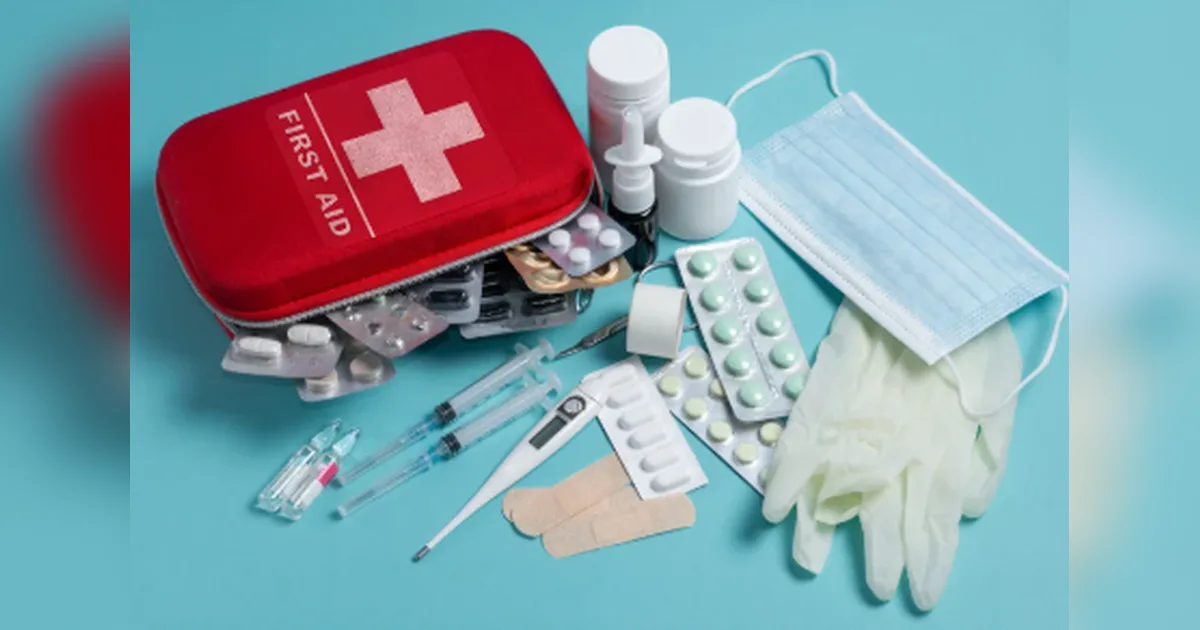
Unexpected injuries can happen anywhere, whether someone is commuting to work, driving on a busy road, enjoying outdoor activities, or spending time at home. While basic first aid supplies are useful for minor cuts and bruises, serious emergencies may require specialized medical equipment to control severe bleeding and provide immediate assistance before professional responders arrive.
This is where a well-equipped trauma kit becomes an important part of everyday preparedness. Choosing the right emergency trauma kit involves more than purchasing a bag filled with medical supplies. It requires understanding potential risks, evaluating equipment quality, considering portability, and ensuring that the contents match the user's experience and environment.
For individuals who want dependable emergency medical equipment, FlareSyn offers tactical medical kits, individual first aid kits (IFAKs), tourniquets, emergency bandages, gauze, and other trauma-related supplies for different situations. Its product range includes compact everyday carry kits, vehicle trauma kits, and pre-packed tactical medical solutions.
Having access to purpose-oriented emergency equipment makes it easier to prepare for situations involving serious injuries, particularly when a quick response is necessary. Understanding what these kits contain and how they fit into an everyday preparedness plan is an important step toward making an informed purchasing decision.
1. Understanding Your Everyday Preparedness Needs
The first factor to consider when selecting a trauma kit is the environment in which it will be used. Different activities create different injury risks, so a single kit may not be suitable for every situation.
For example, someone who spends most of their time at home may need a compact emergency medical kit that addresses common household injuries and provides essential trauma supplies. Drivers may benefit from a vehicle-specific kit containing equipment for responding to serious road accident injuries. Similarly, hikers, campers, construction workers, and outdoor enthusiasts may require more specialized supplies because they often spend time away from immediate medical assistance.
Before purchasing an emergency trauma kit, consider:
- Daily activities: Identify the environments and activities where injuries are most likely to occur.
- Potential emergencies: Consider severe bleeding, cuts, falls, burns, and other possible injury scenarios.
- Accessibility to emergency services: Evaluate how quickly professional medical assistance can reach your location.
- Number of people: Consider whether the kit will serve one individual, a family, or a larger group.
- Storage location: Determine whether the kit will remain at home, inside a vehicle, or travel with you.
Understanding these requirements helps prevent unnecessary purchases and ensures that the selected medical equipment serves a practical purpose.
2. Essential Medical Supplies and Equipment
The quality and usefulness of the supplies inside a trauma kit are among the most important factors to evaluate. A reliable kit should contain appropriate equipment for its intended purpose rather than simply offering a large number of unrelated medical products.
Several categories of supplies deserve particular attention.
Tourniquets for Severe Bleeding
A commercial tourniquet is an important component of many serious trauma kits. It is designed to control life-threatening bleeding from severe arm or leg injuries when used correctly.
When choosing a tourniquet, consider its construction, durability, ease of application, and manufacturer information. Counterfeit or poorly manufactured products may not perform reliably during emergencies.
Users should learn proper application techniques through recognized bleeding-control training. A tourniquet should only be used according to its instructions and appropriate emergency guidance.
Trauma Dressings and Pressure Bandages
Emergency trauma dressings are designed to help control bleeding by applying pressure to an injured area. They are useful components of kits intended for serious wound management.
Look for sterile packaging, secure wrapping, clear instructions, and durable materials. The dressing should also be appropriately sized for the intended use.
Hemostatic Gauze
Hemostatic gauze contains specialized materials that support blood clotting when used according to the manufacturer's instructions. It may be included in trauma kits designed for serious bleeding emergencies.
However, not all gauze products serve the same purpose. Standard sterile gauze and hemostatic gauze have different applications, making it important to understand the difference before purchasing.
Chest Seals and Other Specialized Supplies
Some advanced trauma kits include chest seals and other specialized equipment intended for penetrating chest injuries. These products require appropriate training and should be used in accordance with professional emergency guidance.
A beginner should not assume that purchasing advanced equipment automatically provides the ability to use it safely.
3. Portability and Storage Convenience
A trauma kit is only useful when it can be accessed quickly during an emergency. Portability should therefore be an important consideration when comparing different products.
For everyday preparedness, a compact kit is often more practical than a large medical bag that is difficult to carry. However, reducing the size should not mean removing essential supplies needed for the intended emergency scenarios.
Consider the following portability features:
- Compact dimensions: The kit should fit comfortably in its designated storage location.
- Lightweight construction: A lighter design makes everyday transportation easier.
- Organized compartments: Separate storage sections help users locate supplies quickly.
- Secure closures: Strong zippers and fastening systems help protect the contents.
- Easy access: Important equipment should be identifiable and accessible without unnecessary delays.
A compact everyday carry trauma kit may be suitable for backpacks, work bags, or personal vehicles. Larger kits may be more appropriate for family vehicles, workplaces, and outdoor equipment storage.
4. Build Quality and Material Durability
A trauma kit should be capable of handling regular transportation, storage, and exposure to different environmental conditions. Poor-quality materials can create problems when the equipment is needed most.
Examine the exterior construction, stitching, zippers, straps, and internal compartments before making a purchase. Strong fabrics and reinforced attachment points can help protect medical supplies from damage during everyday use.
Water-resistant materials may also provide additional protection against moisture, although they should not automatically be considered waterproof.
The quality of the medical components matters just as much as the bag itself. Look for reputable manufacturers, appropriate product labeling, clear expiration dates where applicable, and reliable packaging.
A durable pouch containing unreliable medical supplies is not a dependable emergency solution. Both the storage system and its contents deserve careful evaluation.
5. Matching the Kit to Your Skill and Training Level
One frequently overlooked factor when selecting an emergency trauma kit is the user's ability to operate the equipment.
Some medical supplies are relatively straightforward to use, while others require practical instruction and specialized knowledge. Purchasing advanced trauma equipment without understanding its application can create confusion during an already stressful situation.
Individuals with limited first aid experience should consider beginning with recognized first aid and bleeding-control courses. These programs can teach participants how to recognize serious injuries, apply direct pressure, use appropriate emergency equipment, and communicate effectively with emergency responders.
Training should cover:
- Recognizing life-threatening bleeding.
- Understanding when to contact emergency services.
- Applying direct pressure to appropriate wounds.
- Learning the correct use of commercial tourniquets.
- Understanding the purpose of different wound dressings.
- Recognizing when an injury requires immediate professional medical attention.
It is also important to understand the limitations of personal emergency equipment. A trauma kit is intended to support immediate response efforts, not replace professional medical treatment.
6. Considering the Intended Environment
A good trauma kit should match the conditions in which it will be stored and used. Environmental factors can influence both the selection and maintenance of medical supplies.
Home Preparedness
A home emergency kit should be stored in a location that adults can access quickly. Households may benefit from keeping basic first aid supplies alongside specialized trauma equipment, ensuring that both minor injuries and serious emergencies are considered.
Vehicle Preparedness
Road accidents can happen unexpectedly, making vehicle emergency equipment a practical consideration. A vehicle trauma kit should be securely stored in an accessible location without interfering with driving controls or passenger safety.
A headrest-mounted or dedicated vehicle pouch can help keep emergency supplies organized. Drivers should also consider the effects of extreme temperatures on medical products and follow the manufacturer's storage recommendations.
Outdoor and Travel Preparedness
Hiking, camping, and road trips may take people away from immediate medical facilities. A compact, weather-resistant kit with clearly organized supplies can be especially useful in these situations.
For outdoor activities, consider the duration of the trip, group size, environmental conditions, and distance from professional medical assistance.
7. Kit Organization and Ease of Identification
During an emergency, searching through an unorganized bag can waste valuable time. An effective trauma kit should make it easy to identify and retrieve individual supplies.
Look for kits featuring clearly separated compartments, labeled sections, transparent storage areas where appropriate, and dedicated spaces for frequently used equipment.
A modular design can offer additional flexibility. It allows users to organize supplies according to their needs and replace individual items without purchasing an entirely new kit.
However, customization should not compromise the original purpose of the equipment. Avoid removing essential supplies simply to create additional storage space.
It is also helpful to familiarize every household member or regular user with the kit's layout. Knowing where supplies are stored before an emergency occurs can make the response more organized.
8. Expiration Dates and Maintenance Requirements
Purchasing a trauma kit is only the beginning of an effective preparedness plan. Medical supplies require regular inspection to ensure they remain suitable for use.
Sterile dressings, gauze, adhesives, and other packaged medical products may have expiration dates. Exposure to moisture, heat, physical damage, or improper storage can also affect their condition.
Create a simple inspection routine that includes:
- Checking expiration dates on medical supplies.
- Replacing opened, damaged, or contaminated products.
- Inspecting the pouch, zippers, and fastening systems.
- Confirming that important equipment remains present.
- Reviewing manufacturer storage recommendations.
- Checking batteries in any included electronic equipment.
A quarterly inspection is a useful starting point, although products should also be checked after use and according to their individual storage requirements.
Keeping a simple inventory makes it easier to identify missing supplies and maintain a dependable emergency kit.
9. Budget, Value, and Product Reliability
Price is another important consideration when choosing the best trauma kit for everyday preparedness. However, the cheapest option is not necessarily the most economical choice over time.
Low-cost kits may contain limited supplies, poorly manufactured components, or products that are difficult to replace. On the other hand, expensive kits may include specialized equipment that an everyday user does not need.
Instead of comparing products based exclusively on price, evaluate their overall value.
Consider the quality of included medical supplies, construction of the carrying pouch, product specifications, replacement availability, and suitability for your intended environment.
It is also worth checking whether the manufacturer offers individual replacement products or refill packages. This can make long-term maintenance more convenient and reduce the need to replace the complete kit whenever a single item is used.
A well-selected trauma kit should balance affordability, reliability, practicality, and the user's actual preparedness requirements.
10. Brand Reputation and Product Transparency
The manufacturer behind an emergency trauma kit deserves careful consideration. A reliable supplier should provide clear product descriptions, accurate component lists, appropriate usage information, and accessible customer support.
Avoid relying entirely on promotional language or attractive packaging. Instead, investigate the actual specifications of the equipment.
Check whether the manufacturer identifies the medical components, provides relevant product instructions, and offers information about storage and maintenance. Independent reviews and feedback from experienced users can also help when comparing available options.
Transparency is especially important for specialized products such as tourniquets, hemostatic gauze, and advanced wound-care equipment.
A reputable supplier should make it easier for customers to understand exactly what they are purchasing and whether the products match their preparedness needs.
11. Creating a Complete Everyday Emergency Preparedness Plan
Even the best trauma kit cannot address every emergency independently. Effective preparedness involves combining appropriate medical equipment with practical knowledge and a clear response plan.
Start by identifying emergency contacts and understanding how to reach local emergency medical services. Make sure household members know where the medical kit is stored and how to communicate the location of an incident.
Consider keeping a separate general first aid kit for minor injuries, along with a specialized trauma kit for serious emergencies. This separation helps ensure that everyday medical supplies remain available without disturbing specialized equipment.
For workplaces and larger households, additional considerations may include multiple kits, designated emergency contacts, first aid training, and clearly identified storage locations.
Preparedness should be treated as an ongoing responsibility rather than a one-time purchase. Regular equipment inspections, practical training, and updated emergency plans all contribute to better readiness.
Conclusion
Choosing the best trauma kit for everyday preparedness requires careful consideration of several factors, including medical supplies, portability, durability, user training, storage conditions, maintenance, and overall product reliability. The right choice depends on where the kit will be used, the potential emergencies a person may encounter, and the user's ability to operate the included equipment safely.
Rather than purchasing the largest or most expensive option, focus on finding a dependable emergency trauma kit that matches your everyday activities and preparedness goals.
Prioritize quality medical components, organized storage, clear product information, and regular inspections. Most importantly, invest in appropriate first aid and bleeding-control training so that you understand how to respond when an emergency occurs. Combining suitable equipment with practical knowledge creates a stronger foundation for personal, family, vehicle, and outdoor emergency preparedness.