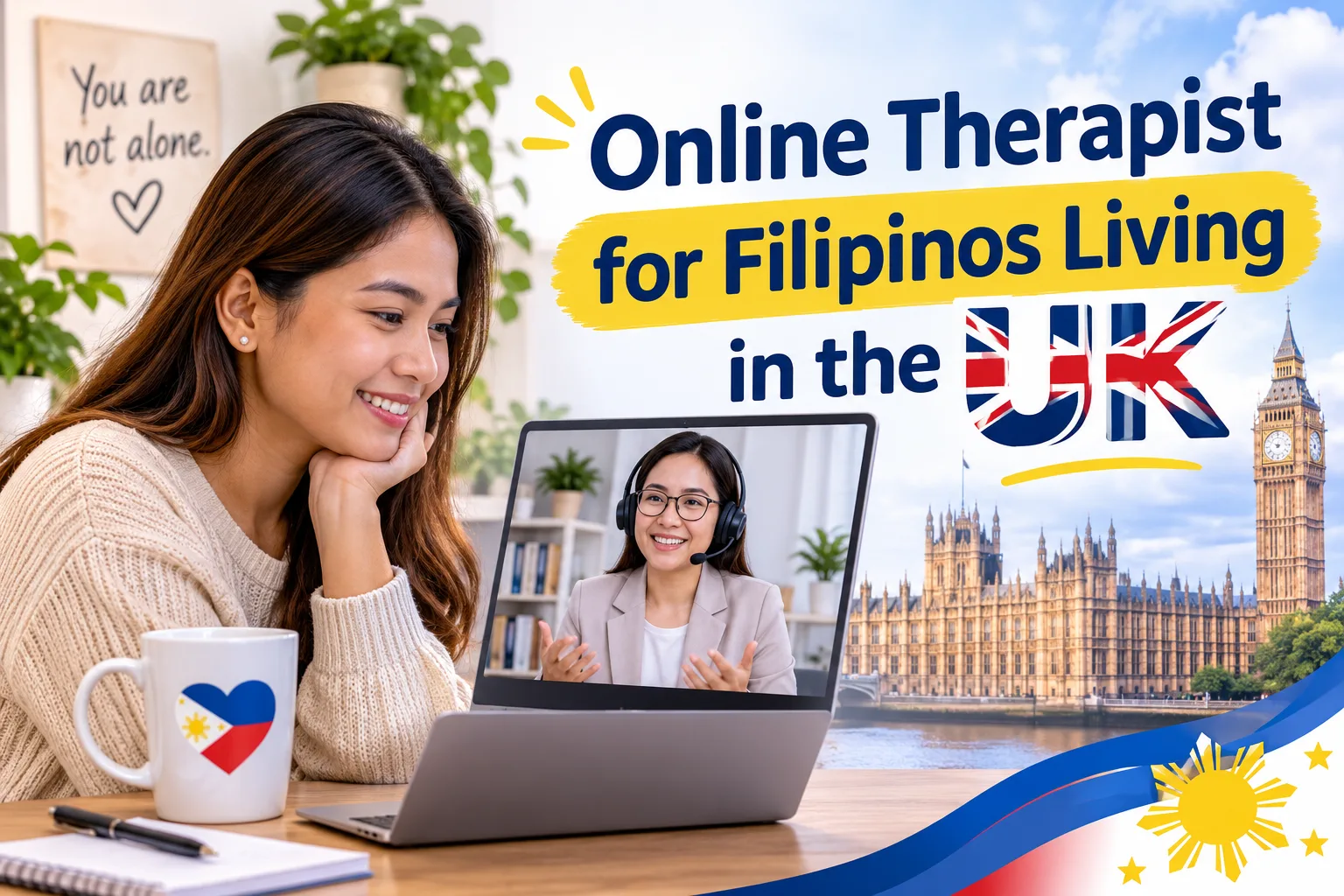
Moving to the United Kingdom can open doors to new opportunities, career growth and a better future. However, living far away from home can also bring emotional challenges that are not always easy to talk about. For many Filipinos living in the UK, adjusting to a different culture, managing work responsibilities, dealing with homesickness and maintaining relationships with loved ones back home can affect their mental health.
While friends and family can provide emotional support, sometimes speaking with a professional therapist can make a meaningful difference.
Fortunately, online therapy has made mental health support more accessible to Filipinos living abroad. Through virtual consultations, individuals can connect with therapists without travelling to a clinic or taking significant time away from their daily responsibilities.
However, finding the right professional is important. Not every therapist will have the same experience, approach or understanding of Filipino culture.
If you are searching for Online Therapists for the Filipino Community in the UK, this guide will help you understand what to look for, what questions to ask and how to choose a therapist who suits your emotional and personal needs.
Why Online Therapy Matters for Filipinos Living in the UK
Living overseas can be an exciting experience, but it can also come with challenges that affect emotional well-being.
Many Filipinos move to the UK for employment, education, family reunification or better opportunities. Although these experiences can be rewarding, adjusting to a new environment sometimes creates feelings of isolation, stress and uncertainty.
Some common challenges include:
- Homesickness and loneliness: Being away from family, friends and familiar surroundings can create feelings of sadness and isolation.
- Work-related stress: Long working hours, demanding responsibilities and workplace pressures can affect mental health.
- Cultural adjustment: Adapting to different social expectations, communication styles and lifestyles can sometimes feel overwhelming.
- Family responsibilities: Supporting loved ones financially in the Philippines while managing personal expenses in the UK can create emotional pressure.
- Relationship difficulties: Long-distance relationships, family conflicts and communication challenges can affect personal relationships.
- Anxiety and emotional stress: Uncertainty about the future, immigration concerns and everyday responsibilities can contribute to ongoing stress.
These experiences are not unusual among overseas Filipinos. However, you do not have to manage every challenge alone.
Online therapy provides an opportunity to speak with a qualified mental health professional, understand your emotions and develop healthier ways of coping.
1. Look for a Therapist Who Understands Filipino Culture
One of the most important factors when choosing an online therapist is cultural understanding.
Filipino culture places importance on family relationships, respect for elders, community connections and supporting loved ones. Concepts such as hiya (shame or social embarrassment), utang na loob (a sense of gratitude or indebtedness) and family expectations can influence how some Filipinos express emotions and approach mental health.
For example, someone experiencing anxiety or emotional exhaustion may hesitate to seek professional help because they do not want to worry their family. Others may feel guilty about prioritising their personal well-being over family responsibilities.
A culturally sensitive therapist understands that cultural background can influence how people communicate, make decisions and process difficult experiences.
When exploring Online Therapists for the Filipino Community in the UK, consider asking:
- Does the therapist have experience working with Filipino clients?
- Do they understand the challenges faced by overseas Filipinos?
- Can they recognise cultural and family-related pressures?
- Are they comfortable discussing Filipino family dynamics and expectations?
A therapist does not necessarily have to be Filipino to provide culturally sensitive care. What matters is their ability to listen without judgement and understand the experiences that shape your identity.
2. Check the Therapist's Qualifications and Professional Credentials
Your mental health deserves professional and responsible care. Before booking an online therapy session, take time to understand the therapist's qualifications, training and professional background.
In the UK, different mental health professionals have different qualifications and professional registrations.
For example:
- Psychologists: Practitioner psychologists regulated by the Health and Care Professions Council (HCPC) should have an appropriate registration.
- Counsellors: Many counsellors hold professional memberships or registrations with organisations such as the British Association for Counselling and Psychotherapy (BACP).
- Psychotherapists: Some psychotherapists are registered with professional organisations such as the UK Council for Psychotherapy (UKCP) or the National Counselling and Psychotherapy Society (NCPS).
Not all counselling and psychotherapy professions are subject to statutory regulation in the UK, so it is important to understand what a particular registration means.
If you are considering a therapist based in the Philippines who provides online sessions to clients in the UK, check their qualifications, professional registration, relevant experience and ability to provide services to clients based overseas.
You can also ask about:
- Their educational background and professional training.
- Their experience working with clients experiencing similar concerns.
- Their approach to confidentiality and data protection.
- Their professional supervision arrangements.
- Their procedures for handling emergencies during online sessions.
Choosing a properly qualified professional helps you make a more informed decision about your mental health care.
3. Consider Language and Communication Preferences
Communication is an important part of a successful therapy experience.
Although many Filipinos speak English fluently, some may find it easier to discuss personal experiences and emotions in Filipino or Tagalog.
Being able to express yourself in a familiar language can make difficult conversations feel more natural and comfortable.
For example, you might find it easier to explain family expectations, childhood experiences or relationship concerns when speaking in your preferred language.
When looking for online therapy, consider whether you prefer:
- English-speaking therapy sessions.
- Filipino or Tagalog-speaking therapists.
- A therapist who understands Filipino expressions and cultural references.
- Someone who can comfortably communicate in both English and Filipino.
The most important thing is finding someone with whom you feel comfortable communicating openly.
You should never feel pressured to use a particular language when discussing personal or emotional experiences.
4. Find a Therapist Who Specialises in Your Mental Health Concerns
Every person's mental health journey is different.
Some people seek therapy because they are experiencing anxiety or depression, while others want support with relationships, family difficulties, grief or major life transitions.
Before choosing a therapist, think about the challenges you would like to address.
Some common areas of therapy include:
Anxiety and stress
If you frequently experience excessive worrying, racing thoughts, restlessness or difficulty relaxing, a therapist can help you explore possible causes and develop coping strategies.
Depression and emotional difficulties
Feelings of sadness, hopelessness, low motivation and emotional exhaustion can affect everyday life. Professional support can help you understand these experiences and identify appropriate ways forward.
Homesickness and adjustment difficulties
Living far from home can bring emotional challenges, especially when you miss family celebrations, important occasions and everyday connections with loved ones.
Relationship and family concerns
Therapy can help individuals explore communication difficulties, relationship conflicts, family expectations and the emotional impact of long-distance relationships.
Self-esteem and personal development
Some people seek therapy to understand themselves better, build confidence, establish healthier boundaries and improve their emotional well-being.
When choosing an online therapist, look for someone whose training and experience match the support you are seeking.
You can ask about their therapeutic approach and whether they have experience working with similar concerns.
5. Check Whether Online Therapy Fits Your Schedule
For many Filipinos living in the UK, balancing work, family and personal responsibilities can be challenging.
Healthcare workers, hospitality employees, students, professionals and overseas Filipino workers may have different schedules that make traditional face-to-face appointments difficult.
One advantage of online therapy is the flexibility it can offer.
Depending on the therapist's availability, you may be able to arrange sessions around your working hours or other responsibilities.
Before booking, consider:
- Does the therapist offer appointments that fit your schedule?
- Are evening or weekend sessions available?
- Can sessions be conducted through a secure video platform?
- How long does each consultation last?
- What happens if you need to reschedule?
- Can you attend sessions from a private and comfortable location?
Remember to check the time difference if your therapist is based outside the UK.
For example, a therapist based in the Philippines may have a different working schedule from someone practising in the United Kingdom.
It is also important to discuss what happens if you need urgent support between appointments.
6. Understand Therapy Fees and Payment Options
The cost of online therapy is another important consideration.
Therapy fees can vary depending on the therapist's qualifications, professional experience, session length and location.
If you are considering a therapist based in the UK, ask about their consultation fees and available payment arrangements.
If you are considering a therapist based in the Philippines, check whether their services are suitable for your circumstances and whether payments are accepted through convenient methods.
Before committing to regular sessions, clarify:
- How much does each therapy session cost?
- Are there discounted packages or introductory consultations?
- What payment methods are accepted?
- Is payment required before each session?
- What is the cancellation or refund policy?
- Are there any additional charges?
Do not choose a therapist based on price alone.
A more affordable service may be suitable for your budget, but professional qualifications, experience, confidentiality and the quality of care should remain important considerations.
7. Prioritise Confidentiality and Online Safety
Discussing personal experiences and emotions requires trust.
When choosing an online therapist, you should understand how your personal information and therapy conversations will be protected.
Before your first appointment, ask about the therapist's confidentiality policy and the technology used for online consultations.
Consider the following:
- Does the therapist use a secure video consultation platform?
- How are personal details and therapy records stored?
- Who has access to your information?
- Are therapy sessions recorded?
- What are the limits of confidentiality?
- How is personal information handled under applicable data protection requirements?
If you are receiving services from a provider based in the Philippines or another country, ask how international data transfers and privacy responsibilities are managed.
It is equally important to create a private environment for your sessions.
Try to attend consultations in a quiet room where you can speak freely without worrying about being overheard.
A trustworthy therapist should explain confidentiality clearly before therapy begins.
8. Schedule an Initial Consultation Before Making a Decision
Finding the right therapist can take time.
Even if someone has impressive qualifications and relevant experience, you still need to feel comfortable speaking with them.
An initial consultation can help you understand their communication style, therapeutic approach and expectations for future sessions.
During your first conversation, consider asking:
- What is your experience working with Filipino clients?
- What therapeutic approaches do you use?
- How do you normally structure therapy sessions?
- What can I expect during my first appointment?
- How will we measure progress?
- What happens if I feel uncomfortable discussing a particular topic?
- What should I do if I need additional support between sessions?
Pay attention to how the therapist responds.
Do they listen carefully? Do they explain things clearly? Do you feel respected and understood?
You do not need to share everything during your first appointment. Building trust is a gradual process.
If you do not feel comfortable with a particular therapist, it is reasonable to explore other professionals who may be a better fit.
9. Understand the Difference Between Online Therapy and Face-to-Face Support
Online therapy offers convenience and accessibility, but it may not be suitable for every individual or situation.
Virtual sessions allow you to communicate with a therapist from your home or another private location. This can be particularly helpful if you have a busy schedule, live far from mental health services or prefer discussing personal concerns in a familiar environment.
However, online therapy also has limitations.
Technical problems, internet connectivity and privacy concerns can sometimes interrupt sessions. Some mental health situations may also require an in-person assessment, specialist care or immediate intervention.
Before starting online therapy, discuss whether virtual consultations are appropriate for your needs.
If you are experiencing a mental health emergency or are at immediate risk of harm, seek urgent local support rather than waiting for your next online appointment.
10. Choose Someone Who Makes You Feel Heard and Respected
Perhaps the most important part of choosing a therapist is finding someone who makes you feel comfortable being yourself.
Therapy should provide a supportive environment where you can discuss difficult experiences without fear of judgement.
You should feel that your therapist:
- Listens to your concerns without dismissing your feelings.
- Respects your personal values and cultural background.
- Maintains appropriate professional boundaries.
- Explains therapy approaches in a way you understand.
- Encourages your participation in the therapeutic process.
- Respects your pace and personal decisions.
Remember that therapy is not about finding someone who agrees with everything you say.
It is about working with a trained professional who can help you explore your experiences, understand your emotions and develop healthier ways of navigating life's challenges.
Finding the right connection can make the therapy process more comfortable and productive.
Why Choose Online Therapists for the Filipino Community in the UK?
For Filipinos living abroad, finding mental health support that recognises their cultural background can make the experience feel more approachable.
The Filipino community has its own traditions, family values, social expectations and experiences of living overseas. These factors can influence how individuals understand mental health and seek professional support.
Access to culturally sensitive online therapy can help bridge the gap between familiar cultural experiences and professional mental health care.
Whether you are dealing with homesickness, work-related stress, relationship concerns or personal difficulties, speaking with a professional can help you take a positive step towards better emotional well-being.
The right therapist should recognise that you are more than your current challenges. Your experiences, background, relationships and personal goals all matter.
Frequently Asked Questions (FAQs)
1. Can Filipinos living in the UK access online therapy with Filipino therapists?
Yes. Depending on the therapist's professional qualifications, registration, service arrangements and ability to work with clients in the UK, Filipinos living in the United Kingdom may be able to access online therapy with Filipino therapists.
Before booking, check their credentials, experience and whether they are authorised and appropriately equipped to provide services to clients in your location.
2. Is online therapy effective for Filipinos living abroad?
Online therapy can be a useful option for people experiencing anxiety, stress, relationship difficulties, homesickness and other emotional challenges.
Its suitability depends on the individual's needs, the therapist's approach and the nature of the concerns being addressed.
3. Can I speak to an online therapist in Filipino or Tagalog?
Yes, some therapists offer consultations in Filipino or Tagalog. If you feel more comfortable expressing your emotions in your native language, ask about language availability before scheduling an appointment.
4. How much does online therapy cost in the UK?
Online therapy fees vary depending on the therapist's qualifications, experience, location and session arrangements. Some providers may offer different consultation options or packages.
It is best to check the current fees directly with the provider before booking.
5. What should I prepare for my first online therapy session?
You do not need to prepare anything complicated.
It may help to think about what has been bothering you, what you would like to discuss and what you hope to achieve through therapy.
Find a quiet and private space, check your internet connection and prepare any questions you want to ask your therapist.
6. Can online therapy help with homesickness and loneliness?
Online therapy can help you explore feelings of homesickness, loneliness and emotional adjustment while living abroad.
A therapist may help you identify coping strategies, strengthen emotional resilience and develop healthier ways of maintaining connections with family and friends.
7. How do I know if I have found the right therapist?
A suitable therapist should make you feel respected, heard and comfortable discussing your concerns.
Their qualifications, experience, communication style and therapeutic approach should also match your needs.
It is perfectly acceptable to explore different therapists before deciding who is right for you.
Final Thoughts: Finding the Right Online Therapist Starts With Taking the First Step
Living in the UK as a Filipino can bring many opportunities, but it can also introduce emotional challenges that are difficult to navigate alone.
Between work responsibilities, family expectations, cultural adjustments and being far away from home, looking after your mental health should remain an important part of your life.
Finding the right online therapist is not simply about choosing someone with the right qualifications. It is also about finding a professional who understands your experiences, respects your cultural background and provides a supportive environment where you can express yourself openly.
If you are exploring Online Therapists for the Filipino Community in the UK, take your time to compare your options, ask questions and find the support that best suits your needs.
You deserve to feel heard, understood and supported, wherever life takes you.
Looking for mental health support?
Explore Pinoy Therapy to learn more about online therapy options and take the next step towards prioritising your emotional well-being. Finding the right support can begin with one conversation.