
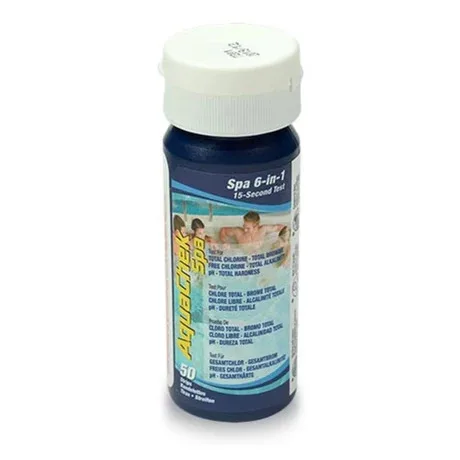
Among the most popular diagnostic tools available to pool owners are diagnostic strips, which feature multiple chemically treated squares designed to react with water chemistry. Understanding what these chromatic indicators represent ensures that your aquatic environment stays comfortable and well-balanced throughout the swimming season.
Proper evaluation takes the guesswork out of daily maintenance, protecting both the pool infrastructure and the people who enjoy it. By familiarizing yourself with the visual spectrum displayed on your testing materials, you can maintain optimal water quality with absolute confidence.
Deciphering the Free Sanitizer Indicator Squares
The primary pad on most multi-parameter diagnostic strips evaluates active sanitizer concentration. When this square reacts with water, it shifts into various shades of yellow or green depending on sanitizer potency. Recognizing these chromatic shifts helps determine whether your pool can safely neutralize organic contaminants.
Monitoring active sanitizer levels prevents under-treatment and ensures a pleasant swimming atmosphere. Regular checks using pool chlorine test strips allow you to catch subtle chemical changes before they impact water clarity.
- Lighter yellow tones indicate low active sanitizer availability and potential vulnerability.
- Vibrant golden hues typically represent a safe, balanced swimming environment.
- Dark green or olive shades point toward elevated sanitizer concentrations requiring management.
Understanding Total Sanitizer Parameters and Combined Compounds
Evaluating total sanitizer concentration involves analyzing a broader spectrum that includes both active and spent elements. This metric provides a comprehensive view of how hard your chemicals are working. When combined compounds accumulate, they can create an unpleasant chlorine aroma around the pool area.
Tracking this secondary parameter helps maintain pristine water conditions and prevents skin irritation. Utilizing a traditional pool chlorine test kit can offer additional precision if you prefer liquid drop comparisons for these metrics.
- Total sanitizer readings account for both active and spent chemical compounds.
- Elevated combined levels indicate that breakpoint shocking may soon be required.
- Consistent tracking ensures your sanitization system operates at peak efficiency.
Recognizing Optimal Color Ranges for Daily Swimming Safety
Matching your test media against the reference chart on the storage bottle reveals whether parameters fall within acceptable bounds. Staying within recommended numerical thresholds protects pool surfaces and equipment from premature wear. A balanced water profile also enhances bather comfort during extended recreational use.
Establishing a reliable testing habit transforms routine pool upkeep into a straightforward process. Knowing your target shade eliminates unnecessary chemical adjustments and saves time.
- Ideal sanitizer parameters typically rest between one and four parts per million.
- Deviations outside this window can lead to cloudy water or chemical odors.
- Regular evaluations keep your backyard oasis ready for effortless relaxation.
Avoiding Environmental Distortion During Color Matching
External lighting conditions play a massive role in how human eyes perceive diagnostic colors. Direct sunlight can artificially brighten or fade the appearance of test squares, leading to misinterpretations. Taking readings in natural, indirect daylight ensures the highest level of visual accuracy.
Controlling environmental variables prevents you from making unnecessary chemical corrections based on faulty observations. Consistency in your testing routine yields reliable, predictable results every single week.
- Bright direct sunlight can bleach test pads during the evaluation window.
- Shaded outdoor areas or neutral indoor lighting provide truest color matching.
- Always compare your wet indicators immediately within the specified timeframe.
Preventing False Readings from Expired Testing Media
Diagnostic materials degrade over time when exposed to humidity, heat, and ultraviolet radiation. Expired paper indicators often produce muted or erratic color shifts that misrepresent true water conditions. Checking expiration dates regularly protects your pool from misguided chemical dosing.
Maintaining fresh testing supplies ensures your maintenance efforts are grounded in accurate data. Reliable reagents eliminate the frustrating cycle of correcting phantom chemical imbalances.
- Old chemical supplies lose potency and fail to react correctly with water.
- Container seals should remain tightly closed when not actively in use.
- Rotating inventory prevents outdated testing materials from skewing records.
Integrating Comprehensive Parameter Checks Into Your Routine
While sanitizer metrics are vital, keeping a balanced pool requires monitoring other interdependent chemical factors. Acidity levels, total alkalinity, and stabilizer concentrations all work together to support sanitizing efficiency. A holistic approach to testing ensures long-term water stability and equipment longevity.
Balancing multiple parameters may seem complex at first, but routine testing simplifies the process. Comprehensive checkups help maintain crystal-clear water year-round without excessive effort.
- pH and alkalinity directly influence how effectively your sanitizer performs daily.
- Stabilizer compounds protect active agents from degrading under intense sunlight.
- Balanced chemistry prevents surface scaling and equipment corrosion over time.
Sourcing Expert Guidance for Ultimate Water Clarity
Balancing a swimming pool successfully involves combining routine testing with expert knowledge and quality equipment. Whether you prefer rapid paper indicators or comprehensive drop analyses, consistency remains the foundation of great water care. For specialized maintenance products and expert recommendations, consult trusted resources like Ever-Klear Pool Supply.
Investing in quality supplies and reliable education ensures your backyard oasis stays pristine and inviting all year. Proactive management creates a safer, more enjoyable environment for leisure and relaxation.
- Expert guidance helps troubleshoot stubborn water chemistry challenges effectively.
- Quality maintenance products extend the operational lifespan of pool equipment.
- Consistent routines transform complex pool care into a simple, rewarding habit.
Frequently Asked Questions
- What do different pad colors on sanitizer strips represent?
They typically show the concentration of active sanitizers, with yellow and green shades indicating various parts-per-million thresholds.
- Why do test strip colors continue changing after a few minutes?
Chemical reactions on test pads continue reacting with ambient air after the initial wetting window, making timely reading essential.
- How often should I test my pool sanitizer levels?
It is recommended to test your water at least twice a week during peak swimming season to maintain proper balance.
- Can expired test strips give inaccurate color readings?
Yes, moisture and age degrade the chemical reagents on the paper, leading to faded or distorted color development.