
Web3 development companies build the economic infrastructure that enables digital currencies, decentralized marketplaces, and token-based value systems. They create payment rails, liquidity protocols, asset management platforms, and financial primitives that operate without traditional banks or financial institutions. These companies develop smart contract systems for lending, trading, staking, and yield generation that run autonomously on blockchain networks. Their infrastructure supports new economic models where value flows directly between participants through programmable money and digital ownership.
Web3 economies function through code-based agreements and cryptographic verification instead of legal contracts and centralized clearinghouses. This infrastructure enables global commerce, instant settlements, and programmable financial services accessible to anyone with internet access.
Payment Infrastructure and Settlement Systems
Payment systems in Web3 process transactions without payment processors or banks. Cryptocurrency transactions settle directly between sender and receiver. Smart contracts handle escrow, conditional payments, and recurring subscriptions without third-party services.
Lightning Network enables instant Bitcoin payments. Payment channels open between frequent transacting parties. Multiple payments flow through channels without touching the blockchain. Final settlement happens when channels close. This reduces fees and increases speed for micropayments and everyday transactions.
Stablecoin payment rails provide price stability for commerce. USDC, USDT, and DAI maintain value pegged to dollars. Merchants accept stablecoins without cryptocurrency volatility risk. Cross-border payments settle in minutes rather than days at lower costs than wire transfers.
Payment streaming distributes funds continuously over time. Sablier and Superfluid protocols enable per-second salary payments. Subscriptions charge exactly for time used. Content monetization pays creators in real-time as people consume their work.
Decentralized Exchange Infrastructure
Automated market makers revolutionize how assets trade. Uniswap pioneered constant product formula for pricing. Liquidity providers deposit token pairs into pools. Traders swap against pool reserves. Prices adjust based on supply and demand within each pool.
Order book DEXs replicate traditional exchange mechanics on-chain. Limit orders specify exact prices for trades. Market orders execute immediately at best available prices. Matching engines pair buy and sell orders. This familiar interface attracts traders from centralized exchanges.
Aggregation protocols route trades across multiple DEXs. 1inch and Matcha check prices across dozens of exchanges. They split large orders across venues for best execution. This saves users money and improves liquidity depth.
Cross-chain swaps exchange assets between different blockchains. Atomic swaps use hash time-locked contracts for trustless exchanges. Bridge protocols wrap tokens for use on other chains. This creates unified liquidity across fragmented networks.
Lending and Borrowing Protocols
Lending pools aggregate capital from multiple depositors. Interest rates adjust algorithmically based on utilization. High demand increases rates to attract more deposits. Low demand decreases rates to encourage borrowing. This creates market-driven pricing without rate-setting committees.
Collateralized lending protects lenders from defaults. Borrowers deposit cryptocurrency worth more than their loan. Liquidation mechanisms sell collateral if values drop too far. Over-collateralization ratios vary by asset risk profiles.
Flash loans enable uncollateralized borrowing within single transactions. Borrowers access millions in capital without upfront deposits. Loans must be repaid before transactions complete. This enables arbitrage, collateral swaps, and liquidations without capital requirements.
Credit delegation lets depositors lend to specific borrowers. Lenders assess creditworthiness through off-chain relationships or on-chain reputation. Borrowers access better rates through trusted relationships. This brings relationship banking to decentralized finance.
Asset Management and Portfolio Tools
Vault strategies automate investment management. Yearn Finance deploys capital across lending platforms and liquidity pools. Strategies compound earnings and rebalance positions. Users deposit funds and receive shares representing their portion of vault holdings.
Index funds create diversified cryptocurrency portfolios. DeFi Pulse Index tracks top decentralized finance tokens. Metaverse Index holds virtual world and gaming assets. Smart contracts maintain target allocations through automatic rebalancing.
Portfolio tracking tools aggregate holdings across wallets and protocols. Zapper and DeBank display total portfolio value. They track earnings from liquidity provision and staking. Transaction history helps with tax reporting and performance analysis.
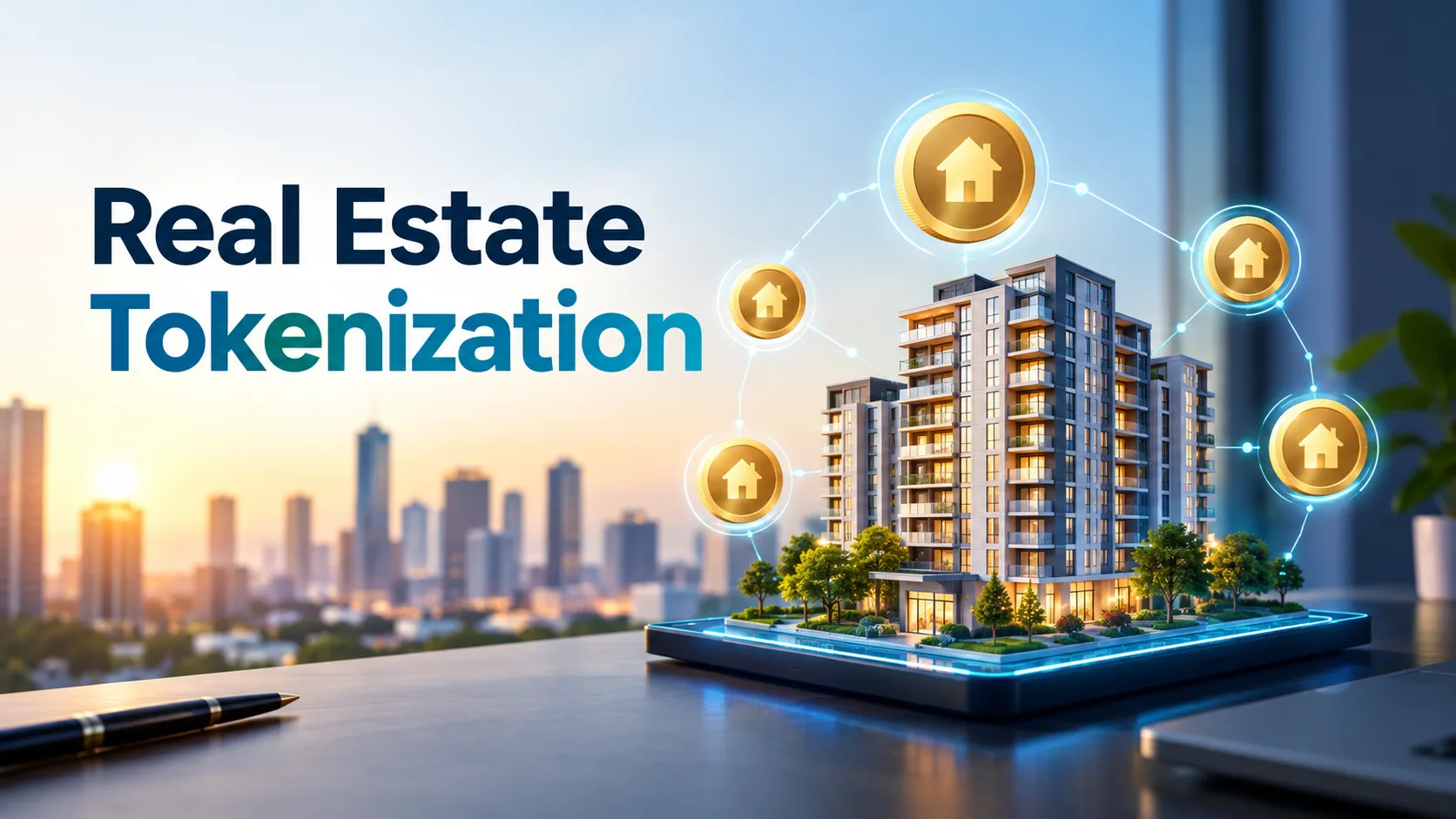
Asset tokenization brings traditional investments onto blockchain. Real estate tokens represent property ownership shares. Commodity tokens back physical gold or oil. Stock tokens mirror equity prices. This creates 24/7 markets with fractional ownership.
Liquidity Mining and Yield Generation
Liquidity incentives bootstrap new protocols. Projects distribute governance tokens to early liquidity providers. Higher rewards compensate for smart contract risks. Token distribution decentralizes ownership and aligns incentives.
Yield farming strategies maximize returns across protocols. Farmers move capital between opportunities as APYs change. They compound earnings by reinvesting rewards. Automation tools handle the complexity of multi-protocol strategies.
Staking mechanisms secure networks and generate passive income. Proof of Stake validators lock tokens to participate in consensus. Delegators assign tokens to validators and share rewards. Annual yields vary by network inflation and participation rates.
Liquidity bootstrapping pools launch new tokens fairly. Starting prices favor early buyers with high token ratios. Prices rebalance over time toward target ratios. This creates price discovery without initial liquidity requirements.
Derivatives and Synthetic Assets
Options protocols enable hedging and speculation. Put options protect against price drops. Call options provide leveraged upside exposure. American options exercise anytime. European options exercise at expiration. Automated market makers provide options liquidity.
Futures markets enable price speculation and hedging. Perpetual swaps have no expiration dates. Funding rates keep prices anchored to spot markets. Margin requirements and liquidation engines manage position risks.
Synthetic assets track external prices on-chain. Synthetix creates synths backed by SNX collateral. Mirror Protocol tracks stock prices. Users gain exposure to any asset through decentralized minting. This bypasses geographic restrictions and trading hour limitations.
Structured products combine multiple instruments. Principal-protected notes guarantee minimum returns. Yield enhancement products cap upside for higher base returns. Autocallable products pay early if price targets hit.
DAO Treasury Management Systems
Treasury diversification reduces concentration risk. DAOs hold multiple assets instead of only native tokens. Stablecoins provide stability for operational expenses. Blue-chip cryptocurrencies preserve value long-term. This protects against single-token volatility.
Yield strategies generate passive income from treasury holdings. Idle funds earn interest in lending protocols. Stablecoin pairs provide trading fees in liquidity pools. Bond protocols offer fixed returns through discount purchases.
Payment systems handle operational expenses. Coordinape distributes funds to contributors. Utopia automates recurring payments. Request Network generates invoices and tracks payments. These tools professionalize DAO financial operations.
Financial reporting provides transparency to token holders. Dashboards show treasury composition and transaction history. Performance metrics track returns on deployed capital. Audits verify financial accuracy and proper controls.
Token Economics and Monetary Policy
Supply schedules determine token issuance over time. Linear schedules release tokens steadily. Halving schedules reduce issuance periodically. Adaptive schedules adjust based on network conditions. These mechanics affect inflation rates and token scarcity.
Burn mechanisms remove tokens from circulation. Transaction fees get destroyed rather than paid to validators. Buyback programs purchase and burn tokens using protocol revenue. This deflationary pressure can increase remaining token value.
Bonding curves price tokens mathematically. Prices rise as more tokens get purchased. Early buyers receive better prices than later buyers. This creates continuous fundraising and guaranteed liquidity.
Dual token systems separate utility from governance. Utility tokens access services and pay fees. Governance tokens vote on protocol parameters. This separation optimizes each token for its purpose.
Risk Management Infrastructure
Insurance protocols protect against smart contract failures. Coverage providers stake capital to back policies. Claims get approved through community voting or automated oracles. Premiums adjust based on protocol risk assessments.
Risk assessment tools evaluate protocol safety. DefiSafety scores projects on security practices. Protocol audits identify code vulnerabilities. Risk ratings help users make informed decisions about where to deploy capital.
Position monitoring alerts users about liquidation risks. Notifications trigger when collateral ratios drop. Automated systems can add collateral or repay debt. This prevents unexpected liquidations from price volatility.
Circuit breakers pause protocols during anomalies. Price oracle failures trigger automatic stops. Large withdrawals activate time delays. These safety mechanisms limit damage from exploits or market manipulation.
Interoperability and Cross-Chain Finance
Bridge protocols connect isolated blockchain economies. Token bridges lock assets on one chain and mint wrapped versions elsewhere. Message bridges pass information between chains. Liquidity networks maintain balanced inventories across chains.
Multi-chain protocols deploy on several blockchains simultaneously. Users access the same services on different networks. Liquidity aggregates across deployments. This maximizes network effects and user reach.
Chain-agnostic applications abstract away blockchain differences. Users interact through unified interfaces. Backend systems route transactions to appropriate networks. This simplifies multi-chain operations for end users.
Composability standards enable protocol integration. Common interfaces let contracts interact seamlessly. Shared liquidity flows between compatible protocols. This creates network effects that benefit all participants.
Institutional DeFi Infrastructure
Compliance layers add regulatory features to DeFi protocols. Permissioned pools restrict access to verified users. Transaction monitoring identifies suspicious activity. Reporting tools generate required regulatory filings.
Custodial solutions protect institutional assets. Multi-signature wallets require multiple approvals. Hardware security modules store keys in tamper-resistant devices. Insurance covers qualified custodian services.
Prime brokerage services aggregate DeFi access. Single interfaces connect to multiple protocols. Unified reporting consolidates positions across platforms. Credit lines provide leverage without moving collateral.
Settlement systems integrate DeFi with traditional finance. Stablecoin issuers connect bank accounts to on-chain assets. Payment processors convert cryptocurrency to fiat. This creates bridges between old and new financial systems.
Analytics and Market Intelligence
On-chain analytics track economic activity. Transaction volumes measure protocol usage. Total value locked shows capital deployment. Active addresses indicate user growth. These metrics guide investment decisions and protocol development.
Price discovery mechanisms establish fair market values. Order books aggregate buy and sell interest. AMM pools reflect supply and demand balance. Oracles aggregate prices across multiple sources.
Sentiment analysis gauges market psychology. Social media monitoring tracks discussion volumes. On-chain metrics reveal whale behavior. Funding rates show whether traders expect prices to rise or fall.
Economic modeling simulates protocol mechanics. Token flow diagrams visualize value movement. Game theory analysis identifies potential attack vectors. Stress testing reveals breaking points under extreme conditions.
Developer Tools and SDK Integration
Smart contract libraries provide tested financial primitives. OpenZeppelin offers secure contract templates. They handle common patterns like access control and pausability. Developers build faster using proven components.
Testing frameworks validate economic logic. Fuzzing generates random scenarios. Invariant testing checks that important properties always hold. Historical simulation replays past events against new code.
Development environments simplify workflow. Hardhat provides local blockchain simulation. Remix offers browser-based development. These tools lower barriers to building financial applications.
API services abstract blockchain complexity. The Graph indexes blockchain data for queries. Covalent provides multi-chain data access. These services speed application development.
Regulatory Compliance and Reporting
Tax reporting tools calculate cryptocurrency obligations. They track cost basis across wallets and protocols. They identify taxable events like trades and interest income. They generate forms for tax filing.
AML screening checks transaction counterparties. Services flag addresses associated with illegal activity. This helps protocols meet regulatory obligations. Geoblocking restricts access from prohibited jurisdictions.
Know Your Customer systems verify user identities. They collect government IDs and proof of address. Biometric verification prevents identity fraud. Ongoing monitoring detects suspicious behavior.
Regulatory technology adapts to changing rules. Smart contracts update parameters based on jurisdiction. Governance processes incorporate legal review. This maintains compliance as regulations develop.
Future Economic Infrastructure Development
Real-world asset integration brings traditional assets on-chain. Property titles become NFTs. Invoices convert to tradeable instruments. Carbon credits track environmental impact. This expands blockchain economies beyond digital-native assets.
Decentralized credit scoring evaluates borrowing risk. On-chain history replaces traditional credit reports. Machine learning models predict default probability. This enables undercollateralized lending at scale.
Automated investment strategies optimize capital deployment. Algorithms analyze risk and return across protocols. They execute trades and rebalance portfolios. This democratizes sophisticated investment management.
Web3 development companies continue expanding economic infrastructure. Their work creates financial systems that are more accessible, efficient, and programmable than traditional alternatives. As this infrastructure matures, it supports increasingly complex economic activity and value creation. Move Into Web3 Today, Connect With Experts!