
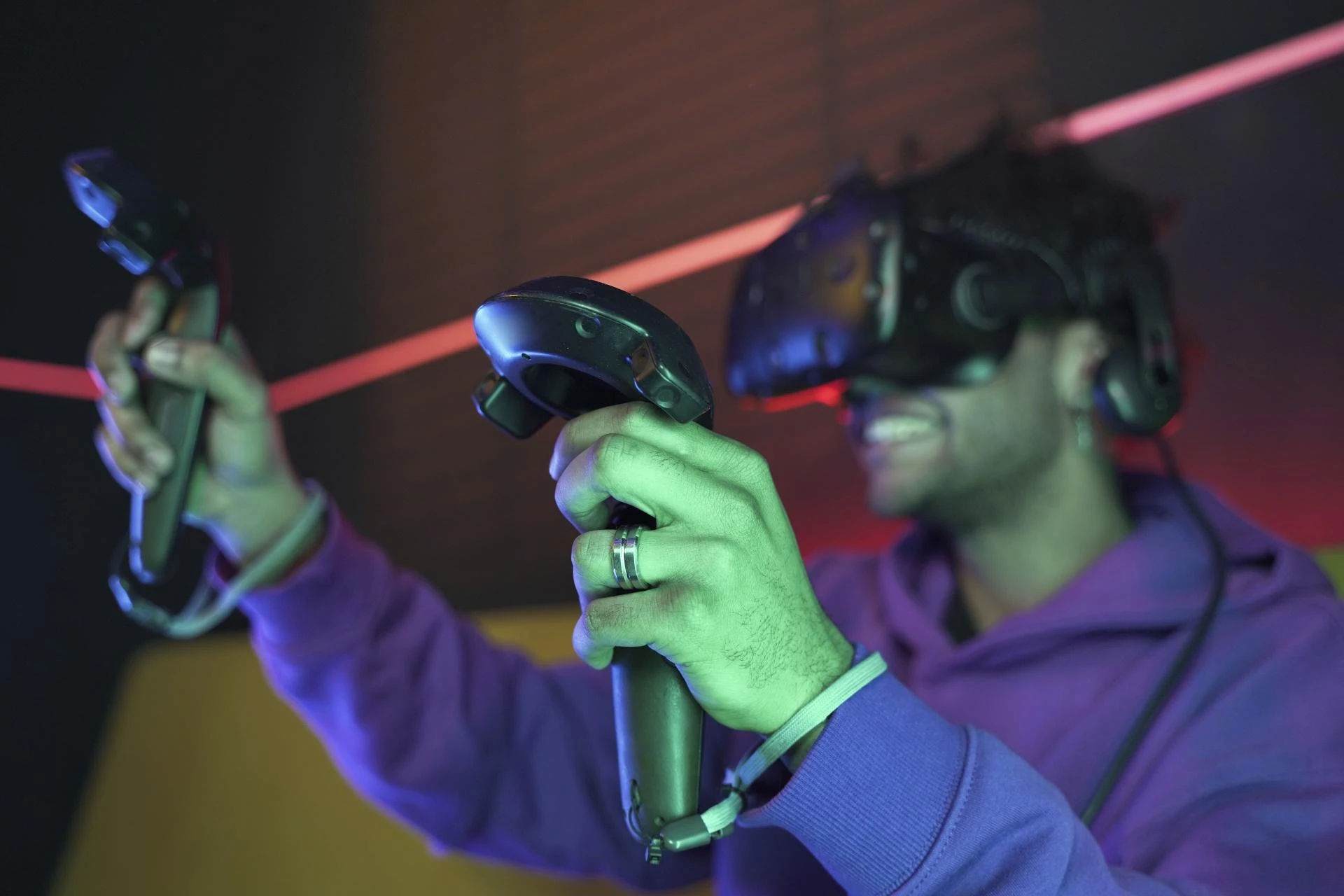
The world of competitive gaming has always been dynamic, constantly evolving with technological advancements. From the early days of LAN parties and arcade tournaments to modern professional leagues of games like League of Legends and Counter-Strike: Global Offensive, esports has captured the attention of millions around the globe. However, a new frontier is emerging that is set to redefine the very nature of competitive gaming: Virtual Reality (VR) esports.
For tech enthusiasts who enjoy the intersection of innovation and entertainment, VR esports offer a compelling glimpse into the future. It’s an area so exciting that many platforms now invite industry experts and enthusiasts to contribute insights, so if you are someone who loves to write for us technology, this is a field brimming with stories, developments, and opportunities.
The Rise of Virtual Reality in Gaming
Virtual Reality has been around for decades in some form, but recent advances in hardware and software have made it far more accessible and immersive than ever before. VR headsets like the Oculus Quest series, HTC Vive, and PlayStation VR have lowered barriers to entry, providing gamers with an immersive experience that goes beyond traditional controllers and monitors.
The key feature of VR gaming is its ability to place players inside the game environment. Unlike traditional esports, where players interact through a keyboard, mouse, or console, VR esports allow players to move naturally within a 3D space. This opens up new possibilities for game mechanics, strategy, and audience engagement.
How VR Esports Are Different
Virtual Reality esports are not just another form of gaming; they are a completely new breed of competitive experience. Here’s how they differ from traditional esports:
- Full-Body Immersion
- In VR esports, players use motion controllers and sensors to track their movements, translating their real-world actions into the game. This adds a layer of physicality to competitions that traditional esports cannot replicate. Players must be agile, precise, and quick-thinking while also managing their real-world stamina.
- Enhanced Spectator Experience
- Watching VR esports is also a unique experience. With advanced camera systems and spectator modes, viewers can experience matches from a first-person perspective, providing a sense of “being there” that traditional streams can’t offer. This immersive viewing experience is increasingly attracting mainstream audiences.
- New Genres of Competition
- VR esports are not limited to shooters or MOBA-style games. They include rhythm games, sports simulations, adventure challenges, and even cooperative strategy titles. The diversity of game types allows players with different skills and physical abilities to participate, making the competitive scene more inclusive.
- Blurring Physical and Digital Realities
- VR esports introduces a fascinating blend of physical fitness and gaming skill. Unlike traditional esports, where players can sit for hours, VR tournaments often require real physical effort. Some players train as athletes would, focusing on endurance, reflexes, and coordination.
Popular VR Esports Titles
Several VR games are gaining traction in the competitive scene, each offering unique gameplay experiences:
- Beat Saber: A rhythm-based game where players slice blocks in time with music. It has quickly become a competitive VR title, with professional tournaments hosted worldwide.
- Echo Arena: A zero-gravity sports game that combines strategy, movement, and teamwork in an arena-like setting.
- Population: One: A battle royale-style VR game where players must navigate a fully 3D environment using climbing and gliding mechanics.
- Onward: A military simulation VR shooter emphasizing strategy, communication, and skillful aiming.
Each of these games demonstrates the versatility of VR esports and its potential to redefine traditional notions of competition.
The Growth of VR Esports Leagues
The rise of VR esports leagues is proof that this is more than a niche hobby; it’s a professional and rapidly expanding industry. Major organizations are hosting tournaments with cash prizes, sponsorships, and live broadcasts. Examples include the VR League, VRCade Championships, and the Virtual Sports League.
These leagues are not just offering competitive outlets; they are creating a structured ecosystem where players can gain recognition, stream matches, and develop careers, with platforms like Erone providing news, updates, and community support for VR esports enthusiasts.
Technology Driving VR Esports Forward
VR esports wouldn’t exist without the convergence of several cutting-edge technologies:
- Advanced Motion Tracking: Full-body tracking allows games to accurately capture players’ movements in real-time.
- Haptic Feedback: Haptic suits and controllers provide tactile sensations, enhancing immersion and improving reaction-based gameplay.
- Cloud Gaming: Cloud technology reduces latency issues, ensuring smooth and competitive online VR experiences.
- AI and Analytics: Data-driven insights help players improve performance and allow organizers to create balanced and engaging competitive formats.
These technological innovations are not only improving gameplay but are also expanding the possibilities for esports as a spectator sport.
Benefits of VR Esports
Virtual Reality esports offer a variety of benefits for players, viewers, and the broader gaming industry:
- Physical Health: Unlike sedentary gaming, VR esports require movement, which can improve fitness levels.
- Immersive Entertainment: Spectators enjoy an engaging, first-person perspective that feels interactive.
- Skill Development: Players enhance hand-eye coordination, reflexes, spatial awareness, and strategy.
- Accessibility: VR games can cater to a wide range of skill levels, making esports more inclusive.
- Innovation Opportunities: Developers and designers are continuously exploring new game mechanics that leverage VR’s unique potential.
Challenges Facing VR Esports
While the future is promising, VR esports face several challenges:
- High Hardware Costs: Quality VR headsets and peripherals are still expensive, limiting accessibility.
- Physical Strain: Extended play can cause fatigue, motion sickness, and other physical issues.
- Limited Game Library: The pool of competitive-ready VR games is still relatively small compared to traditional esports.
- Connectivity and Latency: VR requires fast, stable connections to avoid performance issues, especially in competitive environments.
Despite these challenges, ongoing advancements in VR technology and hardware affordability are steadily addressing these obstacles.
The Future of Competitive Gaming
VR esports are poised to become a central pillar of the broader esports ecosystem. They offer unique experiences that blend physical activity with strategic gameplay, opening new revenue streams, sponsorship opportunities, and fan engagement models.
We are likely to see:
- Hybrid Tournaments: Events combining traditional and VR esports to appeal to wider audiences.
- Expanded Professional Opportunities: As the ecosystem grows, more players, coaches, analysts, and content creators will find career paths in VR esports.
- Cross-Platform Integration: Games that allow players to compete across VR and non-VR platforms may emerge, bridging audiences and enhancing competitiveness.
- Technological Evolution: Next-generation VR headsets will likely be lighter, more comfortable, and capable of higher fidelity, further improving gameplay and spectator experiences.
Conclusion
Virtual Reality esports are more than just a novelty; they represent a fundamental shift in how competitive gaming is played, watched, and experienced. By combining immersive technology with physical engagement, VR esports are redefining what it means to compete, challenge, and entertain in the digital age.
For enthusiasts, developers, and content creators looking to explore the next frontier of gaming, VR esports offer limitless possibilities. Whether through creating new games, organizing tournaments, or analyzing gameplay, this emerging field is reshaping competitive gaming in ways that are only beginning to be understood.
The fusion of VR and esports is no longer just an experiment; it’s a revolution, promising a future where the line between virtual and physical competition becomes increasingly blurred. As the industry grows, it’s clear that competitive gaming is stepping into an entirely new dimension.