
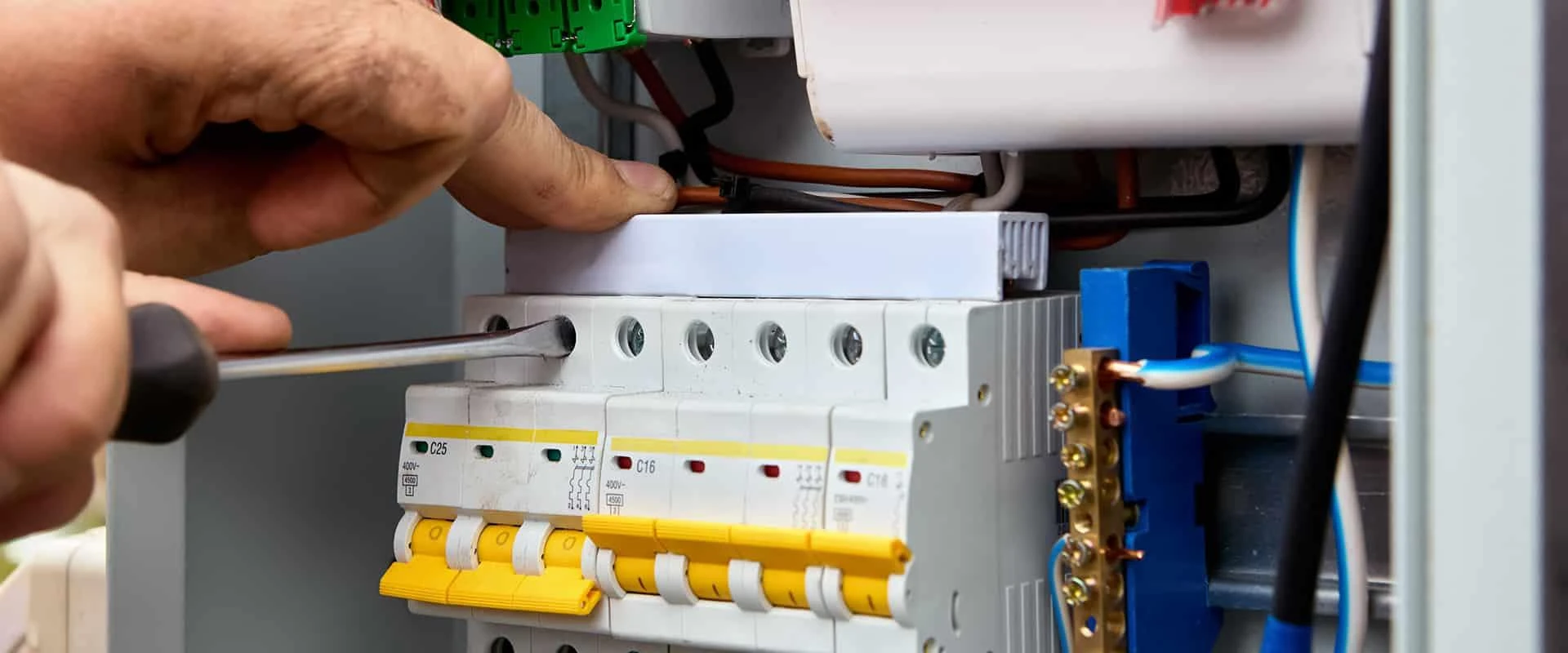
In any commercial property, the electrical system is the backbone of daily operations. From lighting and heating to computers, machinery, and security systems, everything depends on a reliable and safe electrical supply. At the heart of this system are consumer units and electrical panels, which distribute power and protect circuits. As buildings age and business demands grow, upgrading these components becomes not just beneficial, but often essential.
What Are Commercial Consumer Units and Panels?
Commercial consumer units and panels are distribution boards that manage electricity flowing from the main supply to various circuits within a building. They house protective devices such as circuit breakers, residual current devices (RCDs), and surge protection devices. Unlike domestic units, commercial panels are designed to handle higher loads, more circuits, and often more complex configurations.
Over time, older units may struggle to meet modern electrical demands or comply with current safety standards. This is where an upgrade plays a critical role.
Why Upgrading Is Important
One of the primary reasons to upgrade is safety. Older consumer units may rely on outdated fuse technology, lack RCD protection, or show signs of wear such as overheating, corrosion, or loose connections. These issues increase the risk of electrical fires, equipment damage, and electric shock.
Compliance is another key factor. Electrical regulations are updated regularly to reflect improved safety practices and technological advancements. Commercial premises are subject to stricter inspection and testing requirements, and non-compliant panels can result in failed inspections, insurance complications, or even enforcement action.
Upgrades also support efficiency and scalability. Modern businesses use more electrical equipment than ever before. New consumer units can better manage higher loads, reduce nuisance tripping, and allow for future expansion without major disruption.
Signs That an Upgrade Is Needed
There are several warning signs that indicate a commercial consumer unit or panel may need replacing. Frequent circuit breaker trips, flickering lights, buzzing sounds, or warm panel surfaces should never be ignored. If a building still uses rewireable fuses or lacks clear circuit labeling, it is likely outdated.
Another common trigger for upgrades is a change in building use. For example, converting office space into a restaurant, retail unit, or workshop significantly increases electrical demand. Renovations, extensions, or the installation of new machinery also often require a panel upgrade to safely support the additional load.
The Upgrade Process
Upgrading a commercial consumer unit is a structured process that begins with a detailed assessment. A qualified electrician will review the existing installation, calculate current and future load requirements, and identify any compliance issues. This assessment ensures the new panel is correctly specified for the building’s needs.
Once a suitable unit is selected, the installation is carefully planned to minimise downtime. In many cases, work can be scheduled outside of business hours to avoid disruption. The old unit is safely isolated and removed, and the new consumer unit or panel is installed, wired, and thoroughly tested.
Testing is a crucial step. All circuits are checked to confirm correct operation, protective devices are verified, and certification is provided to confirm compliance with current regulations.
Benefits for Businesses
The benefits of upgrading go far beyond basic compliance. A modern consumer unit improves overall electrical reliability, reducing unexpected outages that can interrupt operations. Enhanced protection devices help safeguard expensive equipment from faults and power surges, potentially saving thousands in repair or replacement costs.
Energy efficiency can also improve. While the consumer unit itself does not reduce consumption, it supports better circuit management and the integration of energy-efficient systems such as LED lighting, smart controls, and renewable technologies.
From a business perspective, an upgraded electrical panel adds value to the property and reassures staff, customers, and insurers that safety is taken seriously. For companies planning growth, it provides the flexibility needed to adapt without constant electrical modifications.
Choosing the Right Professional
Because commercial electrical systems are complex, upgrades should always be carried out by a qualified and experienced electrician. Professionals familiar with local regulations and commercial environments understand how to balance safety, compliance, and business continuity. Many businesses in Kent, for example, rely on specialists such as an Electrician Tunbridge Wells or an Electrician Westerham to manage upgrades efficiently and to a high standard.
Long-Term Maintenance and Planning
An upgrade should not be seen as a one-off task but as part of a long-term electrical strategy. Regular inspections, periodic testing, and proactive maintenance help ensure the new consumer unit continues to perform reliably. Keeping documentation up to date also simplifies future modifications or compliance checks.
Planning for future needs is equally important. Installing a panel with spare capacity allows for new circuits, equipment, or technologies to be added without costly replacements.
Conclusion
Upgrading commercial consumer units and panels is a critical investment in safety, reliability, and business continuity. As electrical demands increase and regulations evolve, modern distribution boards provide the protection and flexibility that commercial properties require. By recognising the signs of an outdated system and working with qualified professionals, businesses can ensure their electrical infrastructure supports both current operations and future growth with confidence.
Also Prefer our other Article :
https://nichenest.xyz/electrical-tips-for-voice-controlled-homes-by-an-electrician/