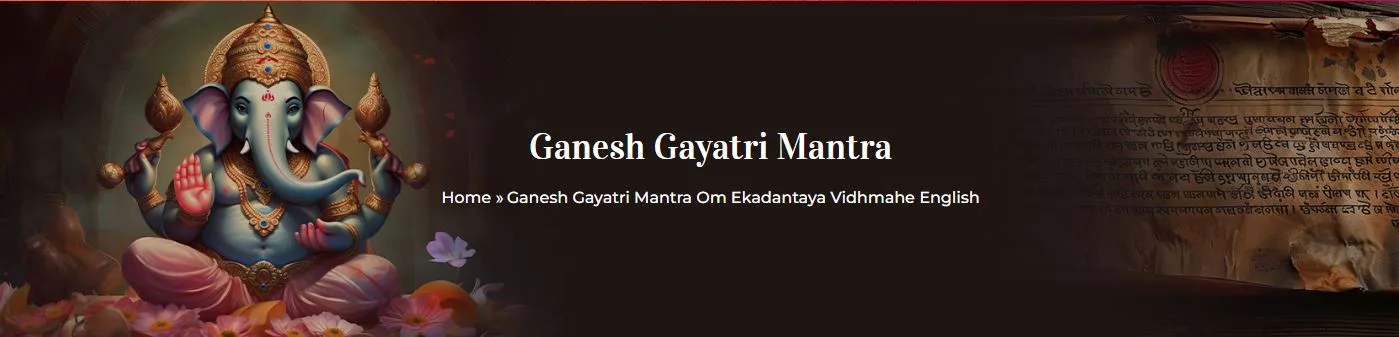
Lord Ganesha occupies a unique place in Hindu spirituality. Whether it is the start of a new journey, an important examination, a business venture, or a daily prayer routine, devotees often seek his blessings first. Among the many sacred chants dedicated to him, the Ganesh Gayatri Mantra and the Ekadantaya Vakratundaya Mantra are especially popular. While both invoke the grace of Lord Ganesha, they offer distinctly different spiritual experiences.
For devotees exploring mantras through platforms like Bhakti Marg, understanding the purpose and essence of each chant can help deepen their connection with Ganesha and enrich their devotional practice.
The Essence of the Ganesh Gayatri Mantra
The Ganesh Gayatri Mantra belongs to the revered Gayatri tradition of Hindu chanting. Rather than focusing on worldly desires or immediate outcomes, this mantra encourages the seeker to cultivate wisdom, discernment, and spiritual awareness.
At its core, the mantra is a prayer for divine guidance. It invites devotees to meditate upon Lord Ganesha’s higher qualities and seek inspiration for right thinking and enlightened decision-making. Many students, professionals, teachers, and spiritual aspirants recite this mantra before beginning important tasks because it is associated with clarity of thought and intellectual growth.
The experience of chanting the Ganesh Gayatri Mantra is often quiet, reflective, and meditative. It encourages the mind to slow down, concentrate, and align itself with higher consciousness.
The Devotional Beauty of Ekadantaya Vakratundaya
In contrast, the Ekadantaya Vakratundaya Mantra is rich in devotion and symbolism. It celebrates Lord Ganesha through some of his most meaningful names and attributes, each carrying deep spiritual significance.
When devotees chant this mantra, they are not simply asking for blessings—they are remembering and honoring the divine qualities represented by Ganesha's form. The one tusk symbolizes sacrifice and wisdom, while the curved trunk reflects adaptability and intelligence. References to Gauri Tanaya and Bhalachandra highlight his divine lineage and cosmic significance.
This mantra is often sung in bhajans, temple gatherings, and personal prayers because of its rhythmic and devotional nature. Many devotees find it emotionally uplifting and spiritually comforting, making it a favorite for daily worship.
Different Intentions, Different Experiences
Although both mantras are dedicated to Lord Ganesha, their spiritual focus differs significantly.
The Ganesh Gayatri Mantra encourages introspection. It is often chosen by those seeking mental clarity, concentration, and inner wisdom. The emphasis is on meditation and transformation of the intellect.
The Ekadantaya Vakratundaya Mantra, on the other hand, creates a feeling of devotion and surrender. It is commonly chanted by devotees seeking blessings, positivity, protection, and the removal of obstacles from their lives. Rather than focusing primarily on contemplation, it inspires a heartfelt connection with Lord Ganesha through praise and remembrance.
Which Mantra Is Better for Daily Practice?
The answer depends entirely on the devotee's intention.
If your goal is to develop focus, improve decision-making, or create a deeper meditative practice, the Ganesh Gayatri Mantra may resonate more strongly with your spiritual journey.
If you wish to begin your day with devotion, invite positivity into your life, or strengthen your emotional connection with Lord Ganesha, the Ekadantaya Vakratundaya Mantra can be a beautiful companion.
Many spiritual practitioners choose not to separate the two. Instead, they chant both as part of their daily routine—beginning with the contemplative energy of the Gayatri mantra and concluding with the devotional warmth of Ekadantaya Vakratundaya.
Why These Mantras Continue to Inspire Millions
In an age of constant distractions and fast-paced living, sacred Ganesh mantras offer a powerful way to reconnect with oneself and the divine. The Ganesh Gayatri Mantra reminds us to seek wisdom before action, while the Ekadantaya Vakratundaya Mantra encourages faith, devotion, and trust in divine guidance.
Together, they represent two complementary aspects of spiritual growth: knowledge and devotion, reflection and surrender, wisdom and grace.
For those looking to explore the meaning, significance, and proper pronunciation of these sacred chants, Bhakti Marg serves as a valuable resource, offering devotional content that helps seekers understand not only the words of a mantra but also the spiritual truths hidden within them.
Conclusion
The Ganesh Gayatri Mantra and the Ekadantaya Vakratundaya Mantra are not competing prayers but complementary expressions of devotion to Lord Ganesha. One illuminates the path of wisdom and self-awareness, while the other nurtures faith, positivity, and divine connection. Whether chanted individually or together, both mantras have the power to bring peace, focus, and spiritual inspiration into everyday life.
As devotees continue their spiritual journey with guidance from platforms like Bhakti Marg, these timeless chants remain a reminder that every new beginning becomes more meaningful when blessed by the wisdom and grace of Lord Ganesha.