From Concept to Launch: The No-Code Surge in 2026’s Digital Economy
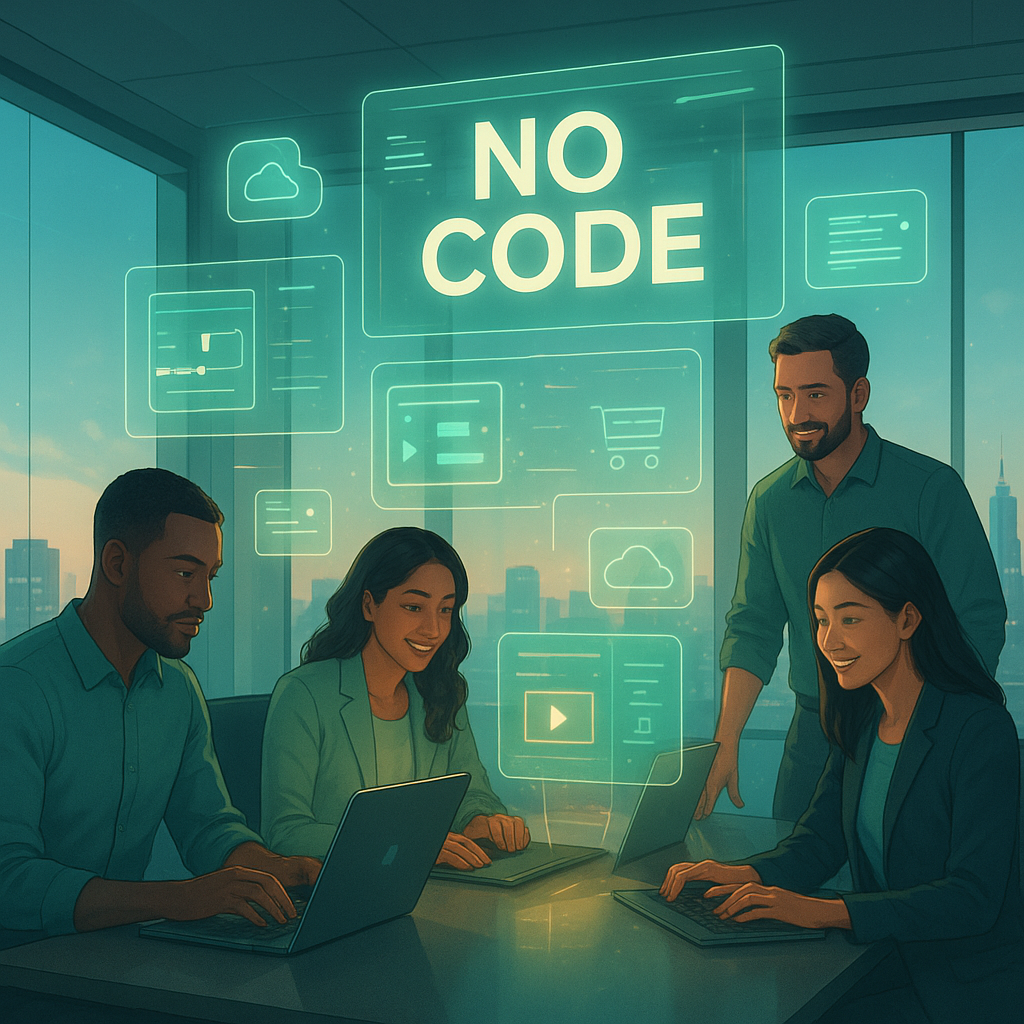
In the bustling corridors of Silicon Valley and beyond, a quiet revolution has taken root. No-code platforms, once niche tools for hobbyists and small businesses, have emerged as critical enablers for eCommerce and SaaS companies striving for agility and innovation. According to industry reports, the global no-code market surpassed $25 billion in 2025 and is projected to grow at an annual rate exceeding 30% through 2030. This explosive growth reflects a fundamental shift in how software is conceived, developed, and deployed across sectors.
Consider the example of BloomCart, a mid-sized eCommerce startup that launched its MVP in under four weeks using no-code tools, bypassing the traditional six-month development cycle. Their success story underscores a broader trend: companies are leveraging no-code solutions to rapidly prototype, iterate, and scale digital products without the prohibitive costs and delays of conventional coding.
"No-code tools have democratized innovation, enabling businesses to respond to market demands with unprecedented speed and flexibility," says Dr. Elaine Park, CTO at InnovateX Labs.
This article explores the 2026 landscape of no-code tools within eCommerce and SaaS, analyzing how these platforms have evolved, their current capabilities, the impact on industry workflows, and what lies ahead for businesses embracing this paradigm shift.
Tracing the Trajectory: How No-Code Tools Reached Their 2026 Apex
The no-code movement's origins trace back to early 2010s efforts to simplify software development. Initially limited to basic website builders and form creators, no-code tools have undergone several transformative phases. The 2020s witnessed the integration of artificial intelligence, expanded API connectivity, and advanced automation, enabling the creation of complex applications once thought impossible without traditional programming.
Early adopters in SaaS leveraged no-code platforms to streamline internal workflows, while eCommerce pioneers used them to craft customer-facing experiences with rapid customization. Market data from 2023 showed a 150% increase in no-code adoption among mid-market firms, driven largely by a growing scarcity of skilled developers and the urgent need for digital transformation.
The convergence of AI-powered natural language processing and visual development environments has made no-code more accessible and powerful. Platforms like Buildify, AppWeave, and FlowCraft have pioneered drag-and-drop interfaces combined with AI-assisted logic generation, reducing barriers even further. This evolution aligns with the broader industry shifts covered in Software Development in 2026: Trends, Challenges, and Future Outlook.
Moreover, regulatory changes emphasizing data privacy and security have prompted no-code vendors to embed compliance frameworks directly into their tools, ensuring businesses can innovate without legal exposure.
Core Innovations Driving the 2026 No-Code Ecosystem
The no-code landscape in 2026 is defined by several technological breakthroughs and strategic enhancements that differentiate it from earlier iterations.
- AI-Enhanced Development: AI-driven code synthesis and predictive logic design enable platforms to translate business requirements into functional workflows with minimal human input. This has accelerated build times by up to 60%, according to internal data from leading vendors.
- Cross-Platform Integration: Seamless API orchestration allows eCommerce and SaaS applications to connect with dozens of third-party services—from payment gateways to CRM and analytics tools—without custom coding.
- Scalability and Performance: No-code tools now support enterprise-grade architectures with auto-scaling cloud infrastructure and real-time database management, making them viable for high-traffic applications.
- Embedded Security Protocols: Platforms offer built-in encryption, role-based access control, and automated compliance checks aligned with GDPR, CCPA, and emerging privacy laws.
- Collaborative Development Environments: Real-time multi-user editing and version control empower cross-functional teams to co-create and iterate rapidly.
These advancements position no-code as a serious contender to traditional software development, particularly for eCommerce brands seeking rapid go-to-market strategies and SaaS companies aiming to lower operational overhead.
"The transformative power of no-code lies not just in speed, but in enabling continuous innovation cycles driven by user feedback," notes Javier Morales, Head of Product at SaaS innovator NexaSoft.
2026 Highlights: Market Leaders and Emerging Trends
This year, the no-code sector has seen accelerated consolidation alongside innovation. Major players like Buildify and AppWeave have expanded into specialized verticals, offering tailored solutions for subscription management, customer engagement, and personalized product recommendations, critical for eCommerce success.
Emerging trends include:
- Hyper-Personalization: Leveraging AI, no-code tools enable dynamic user experiences that adapt in real time based on behavior and preferences.
- Voice and Conversational Interfaces: Incorporation of voice commands and chatbots directly into no-code-built SaaS applications is becoming mainstream.
- Edge Computing Integration: To reduce latency in global eCommerce applications, no-code platforms now support edge deployment models.
- Sustainability Focus: Energy-efficient app design templates and resource optimization are gaining traction in response to climate-conscious user bases.
- Low-Code/No-Code Hybrid Models: Organizations are increasingly adopting hybrid approaches, combining no-code for speed with low-code for complex customizations.
Furthermore, the increasing prevalence of AI governance frameworks is influencing platform design, ensuring ethical use of automation within no-code environments.
These developments align closely with themes outlined in How No-Code Tools Are Reshaping Ecommerce and SaaS Innovation, underscoring the strategic importance of no-code in digital business models.
Expert Insights: Industry Leaders Reflect on No-Code’s Impact
Industry veterans and analysts agree that no-code tools have irreversibly altered software development and business innovation paradigms. Dr. Park emphasizes that the traditional bottleneck of software engineering is loosening, empowering product managers, marketers, and entrepreneurs to take direct control of their digital destinies.
However, several experts caution against viewing no-code as a panacea. Challenges remain around platform lock-in risks, limitations in handling ultra-complex processes, and the need for skilled oversight to maintain security and scalability.
Javier Morales highlights the importance of organizational culture in no-code adoption:
"Successful deployment of no-code requires fostering a mindset of experimentation and cross-disciplinary collaboration, breaking down silos between IT and business units."
Consultancies report a surge in demand for "no-code architects"—professionals who bridge technical and business expertise to guide no-code strategies effectively. This emergent role underscores the maturity of the ecosystem and its integration into mainstream enterprise IT.
What Comes Next: Navigating the Future of No-Code in eCommerce and SaaS
Looking ahead, the no-code landscape is poised for continued expansion and sophistication. Key areas to watch include:
- AI-First Development: Deeper integration of generative AI will likely enable fully conversational app building and maintenance.
- Decentralized Platforms: Blockchain-based no-code tools may offer new models for data ownership and application governance.
- Enhanced Interoperability: Open standards will facilitate smoother transitions between no-code and traditional development environments.
- Education and Certification: Formal training programs and certifications in no-code development will standardize skills and professional recognition.
- Ethical Automation: Increased scrutiny on AI biases and automated decision-making will shape platform features and compliance.
For entrepreneurs and businesses, the critical takeaway is embracing no-code tools as strategic assets that complement rather than replace human creativity and expertise. As outlined in Software Development in 2026: Trends, Challenges, and Future Outlook, hybrid models combining no-code agility with traditional coding precision will dominate.
Successful companies will be those who integrate no-code into holistic innovation frameworks, continuously iterating products and customer experiences at speed while maintaining robust security and governance.
As the digital economy grows more complex and competitive, no-code tools offer a powerful lever to unlock agility, reduce costs, and democratize technology creation.
In summary, 2026 marks a watershed moment where no-code platforms have matured into indispensable tools for eCommerce and SaaS innovation, transforming how businesses build, scale, and compete in the digital age.