Motorcycle accidents can change a person’s life in a matter of seconds. Unlike drivers in cars, motorcyclists have far less protection on the road. Even a relatively small collision can lead to serious injuries, long recovery periods, and unexpected financial stress.
After an accident, many riders find themselves dealing with medical bills, insurance questions, and uncertainty about what to do next. In situations like these, people often begin looking into whether speaking with a motorcycle accident lawyer could help them better understand their legal options.
While not every accident leads to legal action, learning how these cases typically work can help injured riders make more informed decisions during a difficult time.
Why Motorcycle Accidents Are Often More Serious
One of the main reasons motorcycle accidents receive special attention in personal injury law is the level of risk riders face on the road. Motorcycles are smaller, less visible, and offer little physical protection during a crash.
Even with proper safety gear, riders are more likely to suffer injuries such as broken bones, head trauma, spinal injuries, or severe road rash. Recovery can take weeks, months, or sometimes even longer depending on the severity of the injuries.
Because of this, the financial and emotional impact of a motorcycle crash can be significant. Medical treatment, rehabilitation, and time away from work can quickly add up, leaving many people searching for guidance.
Common Causes of Motorcycle Accidents
Motorcycle accidents can happen for many different reasons. Sometimes the rider loses control due to road conditions, but in many cases, the actions of other drivers play a role.
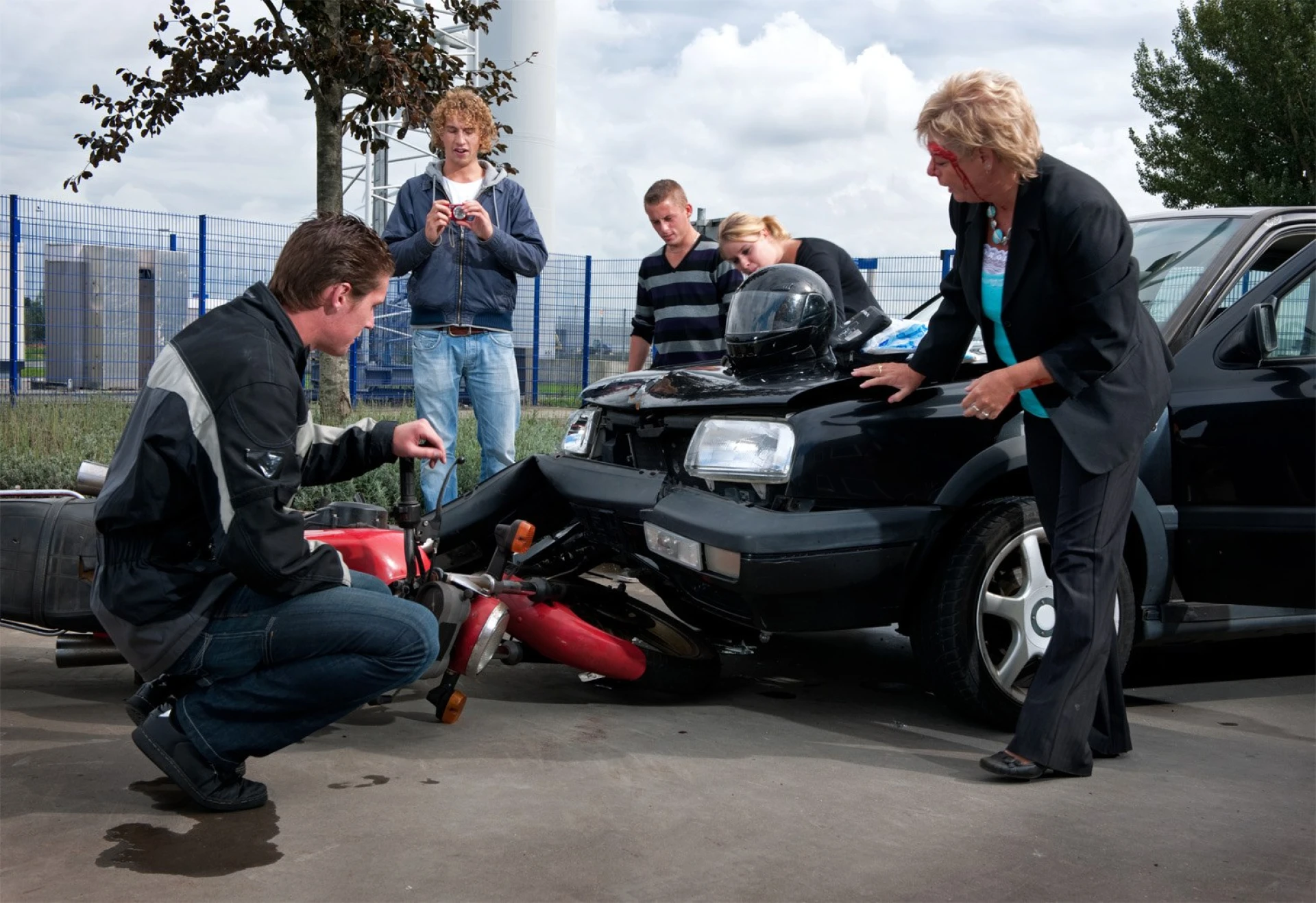
A common issue is visibility. Drivers may fail to notice motorcycles when changing lanes or turning at intersections. Because motorcycles are smaller than most vehicles, they can easily fall into blind spots.
Other common causes include distracted driving, speeding, unsafe lane changes, and failure to yield the right of way. Poor road maintenance, loose gravel, or sudden obstacles can also contribute to crashes.
In many accident cases, determining exactly what happened requires careful review of evidence, witness statements, and accident reports.
The Role of a Motorcycle Accident Lawyer
After a motorcycle accident, injured riders often find themselves dealing with multiple challenges at once. Medical appointments, insurance paperwork, and vehicle repairs can make an already stressful situation feel overwhelming.
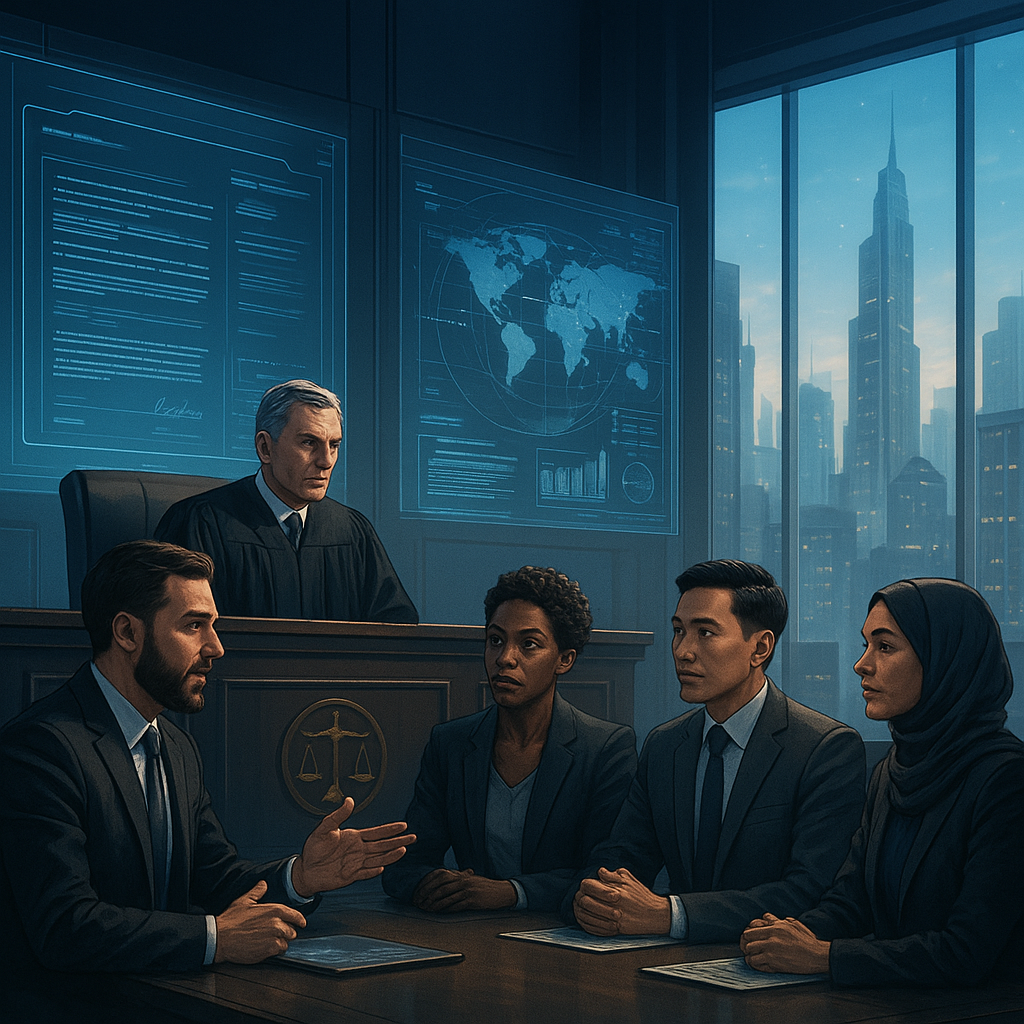
Searcy Motorcycle Accident Lawyer typically helps by reviewing the circumstances of the crash and explaining possible legal options. Their work may involve analyzing police reports, collecting evidence, speaking with witnesses, and consulting accident reconstruction professionals when needed.
They may also communicate with insurance companies to clarify claims and coverage issues. Insurance negotiations can sometimes become complicated, especially when fault is disputed or when injuries are severe.
The goal is not simply to file paperwork but to help individuals understand their rights and the legal process that may follow an accident.
Understanding Liability in Motorcycle Accidents
One important aspect of motorcycle accident cases is determining who may be responsible for the crash. Liability can sometimes be straightforward, but in many cases it becomes more complex.
For example, another driver may have violated traffic laws or failed to yield when required. In other situations, multiple parties could share responsibility, including a vehicle manufacturer or a local authority responsible for road maintenance.
Establishing fault often requires reviewing evidence such as traffic camera footage, vehicle damage, accident scene photos, and expert analysis.
A motorcycle accident lawyer typically works to piece together this information to build a clearer picture of what occurred.
Possible Compensation After a Motorcycle Accident
The financial consequences of a motorcycle accident can extend far beyond the initial crash. Medical treatment alone can become extremely expensive, especially when surgery or long-term rehabilitation is required.
In many situations, injured riders may also lose income while recovering. If injuries prevent someone from returning to their previous job, the financial impact can be long lasting.
Compensation in motorcycle accident cases may cover medical expenses, rehabilitation costs, lost wages, and property damage. In some cases, it may also include compensation related to pain, emotional distress, or changes in quality of life.
Every case is different, and the types of damages involved often depend on the circumstances surrounding the accident.
Evidence That Can Strengthen a Motorcycle Accident Claim
Motorcycle accident cases often rely heavily on evidence gathered shortly after the crash. Photographs from the accident scene, witness statements, and police reports can all play an important role.
Medical records are also essential, as they document the injuries and treatment required after the accident. In some situations, helmet cameras, dash cameras, or nearby security cameras may provide valuable footage of the incident.
Because certain types of evidence can disappear over time, early documentation often becomes an important step in protecting a potential claim.
Moving Forward After a Motorcycle Crash
Recovering from a motorcycle accident involves much more than repairing a damaged bike. Physical recovery, emotional stress, and financial concerns can make the process challenging for many riders.
Understanding the role of a motorcycle accident lawyer can help people navigate this difficult period with more clarity. While legal action is not always necessary, having access to accurate information and guidance can make it easier to evaluate the available options.
Ultimately, the goal after any accident is recovery both physically and financially. By learning about the legal aspects of motorcycle accident cases, riders can better prepare themselves for the steps that may follow and focus on getting their lives back on track.