
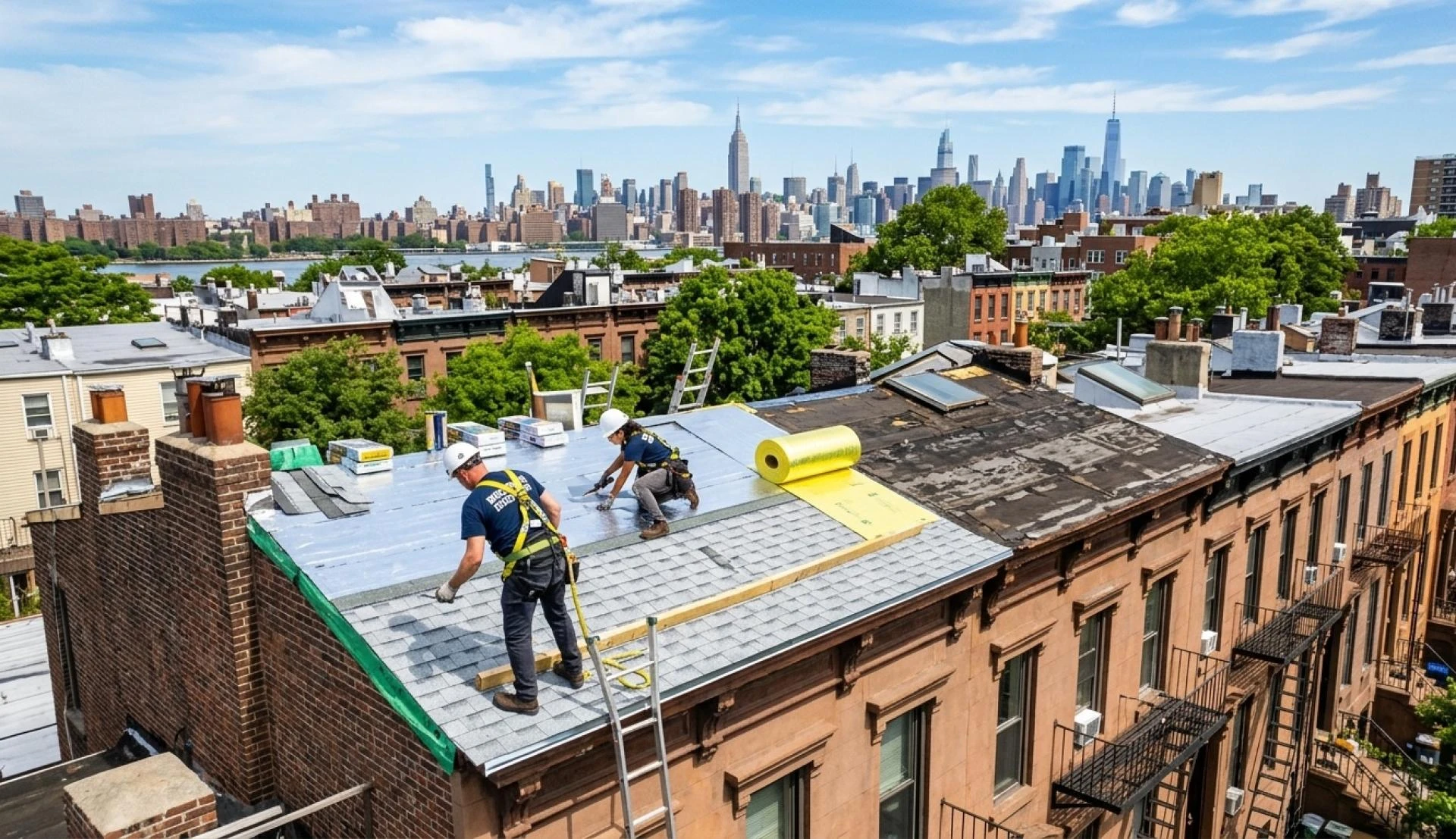
Replacing a roof is one of the most significant investments a property owner can make, especially in a neighborhood like Bushwick, where buildings carry both structural complexity and historical character. Whether you own a brownstone, a multi-family residence, or a mixed-use property, understanding the true cost of roof replacement goes far beyond a simple estimate. It involves materials, labor, structural considerations, and the unique demands of urban construction.
Many homeowners initially approach roof replacement with a single question: “How much will it cost?” While this is a natural starting point, the answer depends on several interconnected factors. The size and pitch of the roof, the type of materials selected, accessibility, and the current condition of the existing structure all influence the final price. In dense areas like Brooklyn, logistical challenges such as limited workspace, permit requirements, and debris disposal also contribute to overall costs.
One of the primary drivers of roof replacement cost is material selection. Asphalt shingles remain a popular choice due to their affordability and versatility. They are well-suited for many residential properties and offer a balance between durability and cost-effectiveness. However, for buildings that require flat roofing systems—a common feature in Bushwick—materials such as modified bitumen, EPDM rubber, or TPO membranes are often preferred. These systems are designed to handle water drainage efficiently, but they require skilled installation to avoid long-term issues like pooling or membrane separation.
For property owners seeking longevity and architectural appeal, premium materials such as slate or clay tiles are often considered. These options come with higher upfront costs but can last decades when properly maintained. In historic sections of Bushwick, maintaining the original aesthetic of a building can also influence material choice, sometimes requiring custom sourcing or specialized craftsmanship.
Labor costs in Bushwick reflect both the expertise required and the realities of working in a busy urban environment. Roof replacement is not simply about removing old materials and installing new ones. It often involves inspecting the underlying decking, replacing damaged wood, reinforcing structural elements, and ensuring proper insulation and ventilation. Skilled contractors must also navigate tight property lines, coordinate equipment placement, and comply with local building codes. These factors make professional experience essential, as mistakes during installation can lead to costly repairs down the line.
Another key consideration is the condition of the existing roof. In some cases, minor deterioration allows for partial replacement or overlay solutions. However, many roofs in older Brooklyn properties require complete tear-offs due to hidden damage beneath the surface. Water infiltration, mold, and weakened decking can significantly increase project costs if not addressed properly. A thorough inspection is crucial to identify these issues early and provide an accurate estimate.
Weather patterns in New York also play a role in roof replacement planning. Harsh winters, heavy rainfall, and fluctuating temperatures accelerate wear and tear. Scheduling a replacement project during favorable weather conditions can help avoid delays and ensure proper installation. Contractors familiar with the local climate understand how to adapt materials and techniques to withstand these challenges.
Beyond the technical aspects, property owners should also consider the long-term value of a roof replacement. While it may seem tempting to choose the lowest-cost option, investing in quality materials and skilled workmanship often results in greater savings over time. A well-installed roof improves energy efficiency, reduces maintenance costs, and enhances property value. In competitive real estate markets like Brooklyn, a new roof can also be a strong selling point.
Drainage systems are another component that should not be overlooked during a roof replacement project. Gutters, downspouts, and leader pipes must be evaluated to ensure they can handle water runoff effectively. In many cases, upgrading these systems alongside the roof prevents future water damage and extends the lifespan of the entire structure. Seamless gutter systems, in particular, offer improved performance by minimizing leaks and reducing maintenance needs.
Transparency in pricing is an important factor when selecting a roofing contractor. A detailed estimate should outline material costs, labor, permits, and any additional work required. This level of clarity helps property owners make informed decisions and avoid unexpected expenses. Reputable companies take the time to explain each aspect of the project, ensuring that clients understand both the scope of work and the value being provided.
Working with a trusted local contractor is especially important in Bushwick. Companies like Bushwick Roofing NY bring not only technical expertise but also a deep understanding of neighborhood-specific requirements. Their familiarity with local building regulations, architectural styles, and common roofing challenges allows them to deliver solutions tailored to each property. This local knowledge often translates into smoother project execution and more reliable results.
For those researching reliable solutions, exploring professional roof replacement services in Bushwick NY can provide valuable insight into available options, pricing considerations, and best practices for maintaining long-term roof performance. Making an informed decision requires more than comparing quotes—it involves understanding the full scope of what a quality roof replacement entails.
Financing is another aspect that many property owners consider. Roof replacement can represent a substantial expense, but various financing options and phased project approaches can make the investment more manageable. Some homeowners choose to prioritize critical repairs first, followed by additional upgrades over time. Discussing these options with a contractor can help align the project with budget constraints while still achieving necessary improvements.
Permits and compliance also influence the overall cost and timeline of a roof replacement. In New York City, construction projects must adhere to strict regulations to ensure safety and quality. Obtaining the appropriate permits, scheduling inspections, and meeting code requirements are all part of the process. Experienced contractors handle these administrative tasks efficiently, reducing stress for property owners and ensuring that the project proceeds without unnecessary delays.
Ultimately, understanding roof replacement costs in Bushwick involves looking beyond the surface. It requires evaluating materials, labor, structural conditions, and long-term benefits. By approaching the project with a clear perspective and partnering with a reputable local contractor, property owners can make confident decisions that protect their investment and enhance their property for years to come.
In a neighborhood where buildings reflect both history and ongoing growth, maintaining a strong, reliable roof is essential. A thoughtful approach to roof replacement not only safeguards the structure but also contributes to the overall resilience and value of the property in the ever-evolving landscape of Brooklyn.