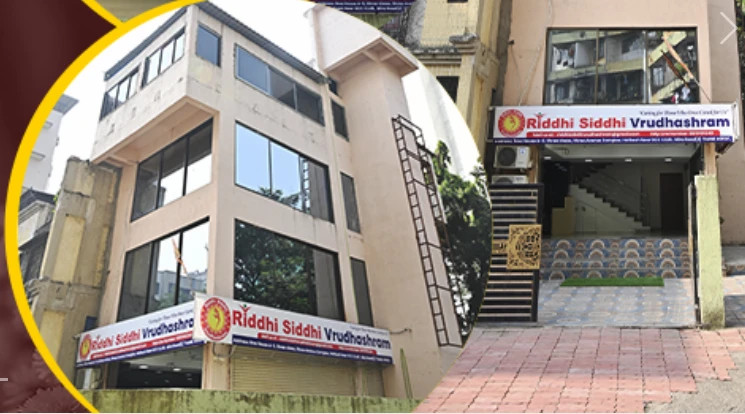
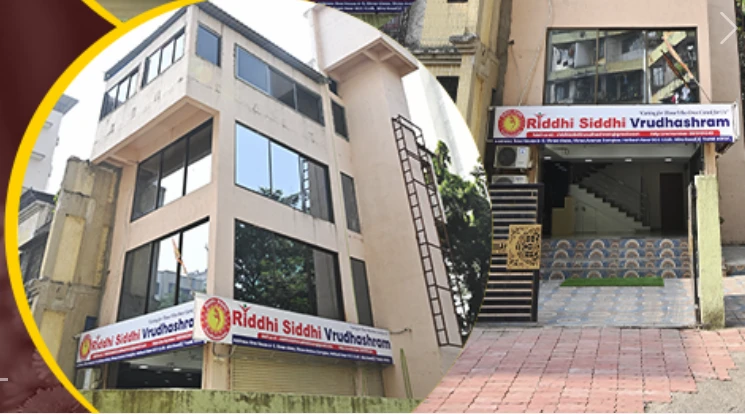
India is experiencing a significant demographic shift. With rising life expectancy, urbanization, and changing family structures, the need for organized elder support systems has become more pronounced. Families today are seeking structured environments that ensure dignity, safety, healthcare access, and emotional well-being for seniors. This has led to growing interest in identifying the best old age home in India based on quality standards rather than brand names.
This article provides an objective, informative overview of how old age homes and elderly care ecosystems function in India, with a special focus on urban care models, regulatory expectations, and responsible philanthropy—without referencing any specific organization.
The Evolving Concept of Elderly Care in India
Traditionally, elderly parents lived within joint family systems. However, migration for employment, nuclear households, and demanding lifestyles have reduced the availability of full-time family caregiving. As a result, professional elder care has evolved from being need-based to preference-based.
Modern elder care now includes:
- Assisted living environments
- Long-term residential care
- Medical supervision and nursing support
- Dementia and Alzheimer’s care
- Palliative and end-of-life care
These services aim to balance independence with supervision, ensuring seniors retain autonomy while receiving timely assistance.
Old Age Homes and Urban Elderly Care Models
Metropolitan cities have seen faster development in senior care infrastructure due to higher demand and better medical connectivity. In cities like Mumbai, elder care facilities often integrate residential comfort with hospital-grade healthcare support.
Many families explore old age home & elderly care services in Mumbai because the city offers:
- Access to multispecialty hospitals
- Trained geriatric professionals
- Emergency response infrastructure
- Exposure to structured care standards
Urban elder care typically follows a multidisciplinary approach involving doctors, nurses, caregivers, physiotherapists, nutritionists, and counselors.
Key Features of Quality Senior Living Facilities
Regardless of geography, certain benchmarks help assess whether an elder care facility meets acceptable standards:
1. Healthcare and Medical Oversight
A reliable care home ensures routine health monitoring, medication management, and quick emergency response. Tie-ups with nearby hospitals and on-call doctors are essential.
2. Safety and Accessibility
Senior-friendly architecture—ramps, handrails, anti-skid flooring, and emergency call systems—plays a critical role in preventing accidents.
3. Trained Caregivers
Professional caregivers with geriatric training ensure assistance with daily activities such as mobility, hygiene, and nutrition while respecting personal dignity.
4. Emotional and Social Well-being
Loneliness is one of the most common challenges among seniors. Group activities, counseling, and community engagement help address mental health and emotional resilience.
Types of Elderly Care Facilities Available
Urban regions now offer varied care formats depending on the senior’s physical and cognitive needs.
- Independent Living: For active seniors who require minimal assistance
- Assisted Living: For those needing help with daily routines
- Skilled Nursing Care: For seniors with chronic or post-surgical conditions
- Memory Care Units: Specialized support for dementia-related conditions
Families often compare a senior citizen care home in Mumbai with other formats to determine the right balance between independence and medical supervision.
Regulatory and Ethical Considerations
India does not yet have a single, centralized regulatory authority governing old age homes. However, responsible facilities usually align with:
- Maintenance and Welfare of Parents and Senior Citizens Act, 2007
- Local municipal safety and health norms
- Ethical caregiving standards and transparency
When evaluating an aged care center in Mumbai, families are advised to review:
- Written care policies
- Staff-to-resident ratios
- Emergency protocols
- Grievance compensation mechanisms
Transparency in operations is a strong indicator of long-term reliability.
Elderly Care Facilities as Community Ecosystems
Beyond accommodation, a modern elderly care facility Mumbai residents choose often acts as a holistic ecosystem. These environments support:
- Regular health assessments
- Balanced nutrition plans
- Spiritual and recreational activities
- Family interaction and visitation policies
Such facilities aim not merely to extend life, but to enhance its quality during later years.
Supporting Elder Care Through Responsible Giving
Elder care is not only a family responsibility but also a social one. Many individuals and corporations choose to support senior welfare through structured philanthropy. Those who wish to donate to old age home in India should focus on impact-driven giving rather than emotional appeals.
Effective donations typically support:
- Medical equipment and medicines
- Daily nutrition and hygiene supplies
- Mobility aids such as walkers and wheelchairs
- Infrastructure improvements for safety
Responsible donors also look for financial transparency, regular reporting, and measurable outcomes.
Choosing the Right Path for Elderly Well-being
Selecting elder care solutions is a deeply personal decision influenced by health conditions, family availability, financial planning, and emotional considerations. India’s elder care landscape is evolving steadily, offering more professional, humane, and structured options than ever before.
As awareness increases, families and communities alike are recognizing that dignified aging is not a privilege but a shared responsibility—one that requires informed choices, ethical care models, and sustained social support across India.