Intense Pulsed Light therapy, commonly known as IPL, has become a popular option for individuals seeking to address a variety of skin concerns without invasive procedures. Though often grouped with laser treatments, IPL is technically a different technology that uses broad-spectrum light rather than a single focused wavelength. This versatility allows IPL to target multiple skin issues simultaneously, making it an appealing choice for those looking to improve their overall complexion. For those researching IPL therapy Altamonte Springs providers offer, understanding how this treatment works is essential to making an informed decision.
How IPL Therapy Works
IPL devices emit pulses of broad-spectrum light that penetrate the skin and are absorbed by specific targets, primarily melanin and hemoglobin. Melanin is the pigment responsible for dark spots, while hemoglobin is the red pigment found in blood vessels. When these chromophores absorb the light energy, they heat up and are gradually broken down or destroyed. The body then naturally processes and eliminates these damaged cells over time.
One of the advantages of IPL is its adjustability. Providers can modify the wavelength, pulse duration, and intensity settings to target different concerns and accommodate various skin types. This customization allows for treatments tailored to individual patient needs, though it also underscores the importance of seeking treatment from experienced professionals who understand how to optimize these parameters safely.
Common Uses for IPL Therapy
IPL therapy may address a wide range of skin concerns. Sun damage, including brown spots, age spots, and freckles, responds particularly well to IPL treatment in many patients. The light energy targets excess melanin deposits, helping to fade discoloration and create a more even skin tone.
Vascular concerns such as facial redness, rosacea, and visible blood vessels may also benefit from IPL therapy. The light energy is absorbed by hemoglobin in dilated blood vessels, causing them to constrict and become less visible over time. Additionally, some patients pursue IPL for general skin rejuvenation, as the treatment may stimulate collagen production and improve overall skin texture.
IPL for Melasma: Important Considerations
For those researching lasers for melasma in Altamonte Springs, it is important to understand that melasma requires careful evaluation before any light-based treatment is considered. Melasma is a complex condition characterized by patchy brown or gray-brown facial discoloration, influenced by hormonal factors and sun exposure. It tends to be persistent and prone to recurrence.
While IPL may help some patients with melasma, it is not appropriate for all cases. In some instances, improper treatment can actually worsen the condition, particularly if settings are not appropriately calibrated for the patient's skin type. Patients concerned about melasma should seek consultation with a dermatologist experienced in treating this condition. A comprehensive approach that may include topical treatments, sun protection strategies, and carefully selected light-based therapies often yields the best outcomes for those exploring laser for melasma Altamonte Springs.
What to Expect During and After Treatment
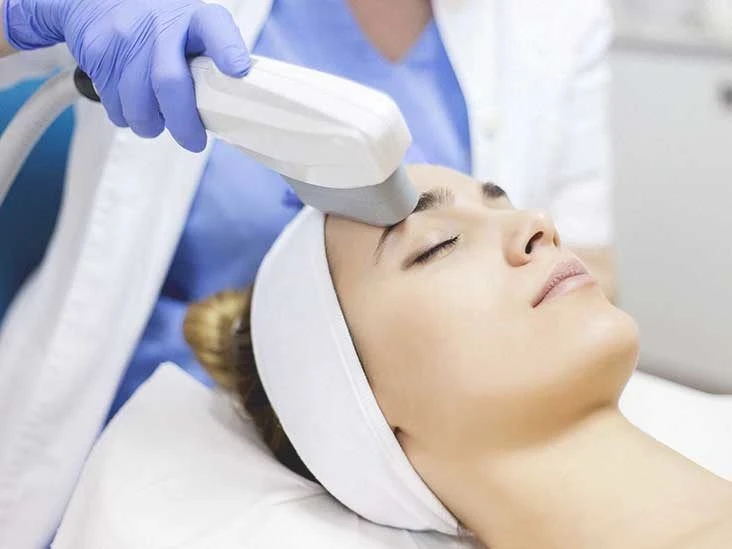
During an IPL session, patients wear protective eyewear to shield their eyes from the bright light pulses. A cooling gel is typically applied to the treatment area to enhance comfort and help the light penetrate effectively. The provider then moves the IPL handpiece across the skin, delivering pulses of light that patients often describe as feeling like a warm snap or rubber band flick.
Treatment sessions generally last between 20 and 30 minutes for facial areas. Following treatment, patients may notice redness and a sensation similar to mild sunburn. Pigmented spots often darken initially before gradually flaking off over the following one to two weeks. Strict sun protection is essential after IPL therapy, as treated skin is more vulnerable to UV damage. Most patients require three to six sessions spaced several weeks apart to achieve optimal results.
Choosing a Qualified Provider
The safety and effectiveness of IPL therapy depend significantly on provider expertise. Board-certified dermatologists with experience in light-based treatments are best equipped to assess patient candidacy, select appropriate settings, and minimize the risk of complications.
Conclusion
IPL therapy offers a versatile, non-invasive option for individuals seeking to address pigmentation, redness, and overall skin tone concerns. While many patients experience meaningful improvement after a series of treatments, outcomes depend on individual factors and the provider’s expertise. For those considering IPL therapy in Altamonte Springs—particularly for complex concerns like melasma—consulting with a qualified, board-certified dermatologist is essential to determine whether this treatment is appropriate and to develop a personalized plan designed for long-term success.