Understanding Hammer Unions and Their Importance in the Oil and Gas Industry
What Are Hammer Unions?
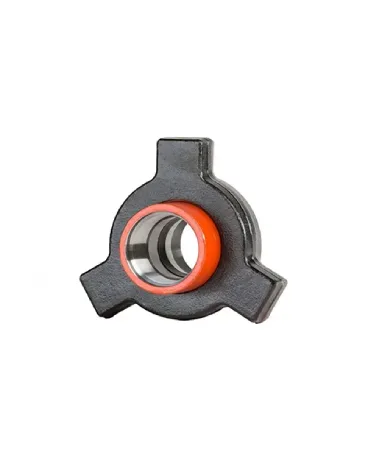
Hammer unions are specialised mechanical pipe connections widely used in the oil and gas industry. They are designed to connect pipes, hoses, valves and other equipment securely while allowing quick assembly and disassembly. Their robust construction makes them suitable for demanding industrial environments where reliable connections and efficient maintenance are essential.
Unlike conventional threaded or flanged connections, hammer unions use a hammer-tightened nut and corresponding components to create a secure connection. This design helps operators connect and disconnect equipment efficiently, making them particularly useful in oilfield operations.
How Do Hammer Unions Work?
A typical hammer union consists of three main components: a threaded nut, a male sub and a female sub. These components fit together to form a mechanical connection. The union is tightened using a hammer or suitable installation tool, depending on the design and manufacturer's instructions.
Different hammer union designs use different sealing arrangements, including elastomeric seals or metal-to-metal sealing configurations. The correct design must be selected according to the operating pressure, temperature, fluid compatibility and application requirements.
Common Applications of Hammer Unions
Hammer unions are commonly used in several oilfield and industrial applications, including:
- Oil and gas drilling: Connecting temporary piping and associated drilling equipment.
- Well servicing: Supporting fluid transfer connections during well intervention and maintenance.
- Cementing operations: Connecting high-pressure lines used in cementing applications.
- Fracturing operations: Supporting specialised fluid-handling equipment in hydraulic fracturing operations.
- Industrial fluid transfer: Connecting suitable pipes, hoses and equipment in demanding industrial environments.
The exact application depends on the union's pressure rating, material, connection configuration and compatibility with the operating conditions.
Different Types of Hammer Unions
Hammer unions are available in different configurations to meet specific operational requirements. Common variations include:
- Threaded Hammer Unions: Designed for applications requiring threaded pipe connections.
- Welded Hammer Unions: Used where a welded connection is required.
- Wing Unions: Feature external hammer lugs that help tighten and loosen the connection.
- High-Pressure Hammer Unions: Designed for specified high-pressure applications using the appropriate materials and sealing systems.
Hammer union models are not interchangeable simply because they have similar dimensions. Always verify the manufacturer's specifications and compatibility before installation.
Important Factors When Selecting Hammer Unions
Choosing the right hammer union is essential for operational reliability and workplace safety. Consider the following factors before purchasing:
- Pressure Rating: Select a union rated for the maximum expected operating pressure.
- Material Quality: Consider material strength, corrosion resistance and compatibility with the working environment.
- Connection Size: Confirm the required nominal size and connection configuration.
- Sealing System: Choose a suitable seal design based on fluid type, temperature and pressure.
- Operating Conditions: Evaluate temperature, vibration, fluid characteristics and service conditions.
- Manufacturer Specifications: Check product documentation, applicable standards, inspection requirements and traceability.
Hammer unions used in high-pressure oilfield services must be selected, installed, inspected and maintained according to the manufacturer's instructions and applicable industry requirements.
Why Quality Matters in Hammer Union Manufacturing
Hammer unions operate in demanding environments where connection integrity is critical. Consistent manufacturing quality, dimensional accuracy, suitable materials and appropriate quality-control procedures all contribute to dependable product performance.
Buyers should review technical specifications, material documentation, pressure ratings and relevant inspection or testing records before selecting a product for a particular application.
Choosing the Right Industrial Component Supplier
Selecting a reliable manufacturer or supplier is an important part of sourcing industrial connection equipment. Buyers should look for product specifications, manufacturing information, quality documentation and technical support that match their project requirements.
Better Castings is an Indian industrial manufacturer offering a range of engineered products, including hammer unions, industrial gaskets, API 6A gaskets, RTJ gaskets, spiral wound gaskets, stud bolts, nuts and valve components.
To explore its industrial product range and learn more about its manufacturing capabilities, visit Better Castings.
Conclusion
Hammer unions play an important role in oilfield and industrial fluid-handling operations by providing practical mechanical connections for suitable applications. Understanding their types, pressure ratings, materials and sealing arrangements helps buyers select products that meet operational requirements. Always rely on verified technical specifications and manufacturer guidance when choosing hammer unions for critical applications.