A reliable boiler is essential for keeping your home warm and your hot water running efficiently. Whether you’re replacing an old unit or installing a boiler for the first time, understanding boiler installation costs is crucial for making an informed decision. While many homeowners focus solely on the price of the unit, the true cost involves several factors, from system type and efficiency to installation complexity and long-term operating expenses.
What Influences Boiler Installation Costs?
Boiler installation costs vary widely depending on the type of boiler, the size of your home, and the complexity of the installation. The first major factor is the type of boiler itself. Combi boilers, which provide both heating and hot water, are typically more cost-effective to install than traditional systems that require separate water tanks. System and conventional boilers can come with higher installation expenses, especially in older homes where additional piping or storage tanks are needed.
The size and output of the boiler also play a key role. A unit that’s too small will struggle to meet your heating demands, while an oversized boiler may waste energy and increase operating costs. A professional installer performs a detailed heat load calculation to determine the correct boiler size for your home, ensuring optimal efficiency and comfort.
The Importance of Energy Efficiency
Modern boilers are far more energy-efficient than older models, often featuring advanced technology that significantly reduces fuel consumption. Boilers are rated by their Annual Fuel Utilization Efficiency (AFUE), which measures how efficiently they convert fuel into heat. Higher AFUE ratings generally come with a higher upfront cost, but the investment often pays off through lower utility bills and reduced environmental impact over the life of the unit.
Homeowners should also consider the fuel type. Natural gas boilers are typically the most cost-effective to operate, while oil and electric models can have higher running costs depending on local energy prices. Propane boilers are a common alternative in areas without access to natural gas, though they may involve higher fuel expenses.
Labor and Installation Complexity
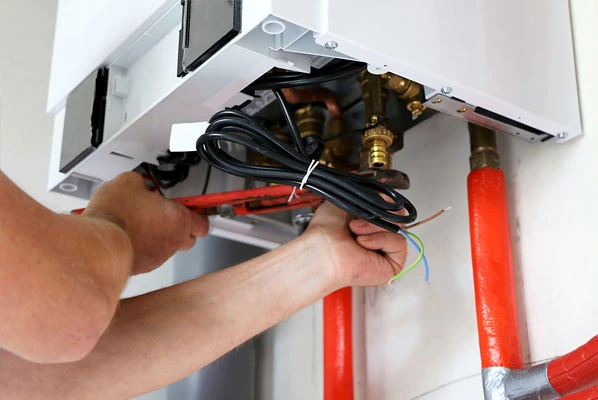
The cost of professional installation can vary just as much as the price of the boiler itself. Labor costs depend on the complexity of the job, the condition of your existing heating system, and whether modifications are needed to accommodate the new boiler. Replacing an old unit with a similar model is usually straightforward and less expensive, while switching from a different heating system or upgrading to a more advanced boiler can require extensive work.
Factors such as relocating the boiler, upgrading gas lines, or modifying the flue and venting system can significantly increase installation costs. Older homes may also require new radiators or piping to ensure compatibility with a modern boiler, further adding to the overall expense.
Long-Term Operating Costs
When evaluating boiler installation costs, it’s important to look beyond the initial price tag. Operating costs, which include fuel consumption, routine maintenance, and occasional repairs, make up a significant portion of the total cost of ownership. Investing in a high-efficiency boiler can yield substantial savings over time by lowering your monthly energy bills.
Routine maintenance, such as annual servicing and inspections, keeps your boiler running efficiently and extends its lifespan. Neglecting maintenance can lead to higher energy usage, unexpected breakdowns, and costly repairs, so it’s wise to factor these expenses into your budget.
Potential Additional Costs
In some cases, additional expenses can arise during installation. If your existing system has outdated or corroded piping, it may need to be replaced to ensure safety and performance. Homes without adequate ventilation may require modifications to accommodate the new boiler’s exhaust system. Upgrading your thermostat or installing smart controls can also add to the initial cost but provide improved comfort and energy management in the long run.
Permits and inspections are often required for boiler installations, and the associated fees can vary by location. These costs ensure that your installation meets all local codes and safety regulations, protecting both your investment and your home.
Repair Versus Replacement
For homeowners with older boilers, deciding between repairing and replacing the unit is often a key consideration. While repairs can be a temporary fix, older boilers tend to lose efficiency over time and require increasingly frequent service. If repair costs approach 50% of the price of a new boiler, replacement is often the more cost-effective option. Modern boilers offer superior energy efficiency, quieter operation, and enhanced reliability, making them a worthwhile long-term investment.
Getting Accurate Estimates
Because installation costs can vary greatly, obtaining multiple quotes from reputable contractors is essential. A professional installer will evaluate your home’s heating needs, inspect your existing system, and provide a detailed estimate that includes the price of the boiler, labor, materials, and any additional work required. Be wary of unusually low bids, which may indicate substandard equipment or inadequate installation practices.
Transparent, detailed quotes help prevent unexpected expenses and allow for informed decision-making. Comparing multiple estimates also gives you a better understanding of market rates and helps identify the best value for your investment.
Balancing Cost and Quality
While it may be tempting to choose the lowest-priced option, the cheapest boiler and installation may not provide the best long-term value. A high-quality, energy-efficient boiler installed by experienced professionals offers greater reliability, lower operating costs, and a longer service life. Investing in a reputable brand and skilled installation team often pays for itself through reduced repair expenses and improved performance.
Homeowners should also explore available rebates and incentives for energy-efficient boilers, which can significantly offset the initial cost. Many utility companies and government programs offer financial incentives for upgrading to high-efficiency heating systems, making it easier to invest in long-term energy savings.
The Value of Professional Installation
Professional installation is critical to ensuring your boiler operates safely and efficiently. Improper installation can lead to problems such as poor performance, higher energy bills, and safety hazards like gas leaks or carbon monoxide exposure. Experienced technicians understand local building codes, manufacturer requirements, and best practices for optimal boiler operation.
Most manufacturers require professional installation to validate the warranty, providing additional protection for your investment. Choosing a trusted installation team gives you peace of mind that your boiler will deliver reliable comfort for years to come.
Final Thoughts
Understanding boiler installation costs involves considering more than just the price of the unit. Factors such as energy efficiency, labor complexity, long-term operating expenses, and the quality of installation all play a role in determining the true cost of ownership. By investing in the right boiler and professional installation, you ensure consistent comfort, improved energy efficiency, and lasting value for your home.
Taking the time to research options, compare estimates, and work with qualified professionals can make all the difference. A properly installed, energy-efficient boiler not only enhances your home’s comfort but also provides peace of mind and savings for years to come.