
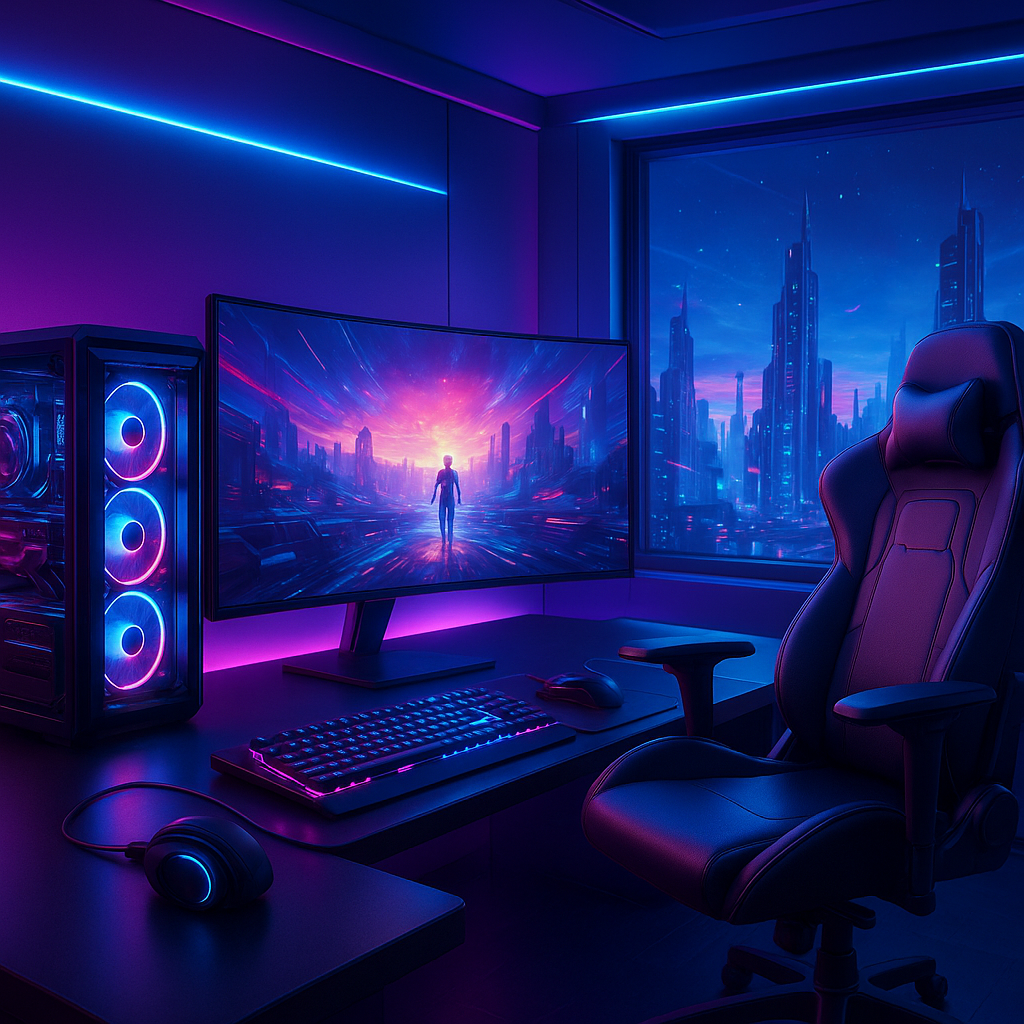
Introduction to Gaming Hardware in 2026
As the gaming industry continues to evolve at a breakneck pace, so too does the technology that powers it. In 2026, gaming hardware has reached unprecedented levels of sophistication, offering players immersive experiences, lightning-fast performance, and unparalleled customization. Whether you're a casual gamer or a competitive esports enthusiast, understanding the intricacies of gaming hardware is essential to building a setup that not only meets your needs but also future-proofs your investment.
This comprehensive guide delves into the current state of gaming hardware, exploring the key components that define a powerful rig, the latest innovations reshaping gameplay, and practical advice for assembling and optimizing your gaming environment. Along the way, we'll reference expert insights and related articles to deepen your understanding and provide actionable tips.
Core Components of Modern Gaming Hardware
At the heart of every gaming setup lies a collection of essential components working in harmony to deliver seamless performance. In 2026, these components have seen significant advancements, particularly in processing power, graphics fidelity, and input responsiveness.
Central Processing Unit (CPU)
The CPU remains the brain of your gaming rig, responsible for executing game logic, physics calculations, and running the operating system. Modern CPUs feature multi-core architectures with high clock speeds, optimized for parallel processing to handle complex game engines and AI behaviors.
Leading manufacturers have introduced hybrid core designs that combine performance cores with efficiency cores, balancing power consumption and raw speed. When selecting a CPU, gamers should consider the number of cores, single-thread performance, and compatibility with the motherboard chipset.
Graphics Processing Unit (GPU)
The GPU is arguably the most critical component for gaming, as it renders the visual elements of games. The latest GPUs support real-time ray tracing, AI-driven upscaling techniques such as DLSS 4.0, and support for ultra-high resolutions beyond 8K.
In 2026, GPUs also incorporate advanced cooling solutions and customizable RGB lighting, allowing gamers to tailor aesthetics alongside performance. Choosing the right GPU depends on your target resolution, frame rate goals, and the types of games you play.
Memory (RAM)
High-speed RAM ensures that your system can quickly access game data and multitask efficiently. The current standard for gaming rigs is DDR6 memory, offering significantly higher bandwidth and lower latency than previous generations.
Most modern games recommend at least 32GB of RAM for optimal performance, especially when streaming or running background applications concurrently. Additionally, dual or quad-channel memory configurations can improve data throughput.
Storage Solutions
Fast storage is crucial for reducing game load times and improving overall responsiveness. NVMe solid-state drives (SSDs) have become the norm, with PCIe Gen5 SSDs delivering read/write speeds exceeding 10 GB/s.
Many gamers now use a combination of high-speed NVMe SSDs for frequently played titles and large-capacity SATA SSDs or mechanical drives for bulk storage. The ability to quickly load expansive open-world games or 4K texture packs depends heavily on storage performance.
Motherboard and Power Supply
The motherboard acts as the central hub connecting all components. Modern gaming motherboards include support for the latest CPU sockets, multiple PCIe Gen5 slots for GPUs and expansion cards, advanced VRM designs for stable power delivery, and extensive connectivity options such as Thunderbolt 5 and Wi-Fi 7.
Power supplies (PSUs) have also improved in efficiency and modularity. High-quality PSUs with 80 Plus Titanium certification ensure stable power output, protect components, and reduce electrical waste. Selecting an appropriately rated PSU is key to supporting high-end hardware and future upgrades.
Cooling Solutions
Effective cooling maintains component longevity and performance. Gaming hardware in 2026 benefits from sophisticated cooling options including all-in-one liquid coolers, custom loop water cooling systems, and advanced air coolers with vapor chamber technology.
Innovations in thermal interface materials and smart fan controllers help maintain optimal temperatures while minimizing noise. Case airflow design remains critical, with many gamers opting for cases featuring mesh panels and multiple fan mounts.
Peripherals That Elevate Gaming Experience
Beyond the core components, peripherals play a vital role in how gamers interact with their setups. Precision, comfort, and responsiveness are paramount when selecting monitors, keyboards, mice, and audio devices.
Monitors
Gaming monitors have evolved to support ultra-wide and curved form factors, with refresh rates exceeding 360Hz and response times under 1ms. High dynamic range (HDR) and variable refresh rate technologies like NVIDIA G-Sync and AMD FreeSync ensure smooth and vibrant visuals.
Resolution choice depends on GPU power and personal preference, with 4K becoming mainstream and 8K gaining traction among enthusiasts. Some monitors also feature multi-input setups to accommodate streaming and multitasking workflows.
Keyboards and Mice
Mechanical keyboards remain the preferred choice for gamers, offering tactile feedback and durability. In 2026, hot-swappable switches and customizable actuation points allow for personalized typing experiences. RGB lighting and macro programmability enhance both aesthetics and functionality.
Gaming mice feature ultra-precise sensors with adjustable DPI settings, customizable buttons, and ergonomic designs tailored for different grip styles. Wireless technology has matured to offer near-zero latency comparable to wired alternatives.
Audio Devices
Immersive audio is essential for competitive edge and atmospheric gameplay. High-fidelity gaming headsets incorporate surround sound technologies, noise-canceling microphones, and lightweight designs for prolonged comfort.
Some gamers prefer separate DACs and amplifiers paired with audiophile-grade headphones for superior sound quality. Additionally, spatial audio and 3D sound technologies enhance in-game positional awareness.
Innovations Driving Gaming Hardware Forward
The gaming hardware landscape in 2026 is shaped by cutting-edge innovations that redefine player immersion and performance capabilities. From AI integration to modular designs, these trends influence how gamers build and experience their setups.
AI-Powered Performance Optimization
Artificial intelligence now assists in real-time system tuning, dynamically adjusting CPU and GPU performance based on workload and thermal conditions. AI algorithms optimize game frame pacing, reduce input latency, and even predict hardware failures before they occur.
Software suites provided by hardware manufacturers leverage AI to simplify overclocking and system monitoring, making advanced tuning accessible to a broader audience.
Modular and Upgradable Components
Modularity has become a key design focus, with components engineered for easy upgrades. From snap-in GPU cards to pluggable memory modules and standardized cooling mounts, gamers can keep their rigs current without complete rebuilds.
This approach reduces electronic waste and lowers the cost barrier to maintaining high-performance setups over time.
Energy Efficiency and Sustainability
With environmental concerns rising, gaming hardware manufacturers prioritize energy efficiency. Components are designed to deliver maximum performance per watt, and many utilize recyclable materials and eco-friendly manufacturing processes.
Power supplies with extremely high efficiency ratings and smart power management features help reduce carbon footprints without compromising user experience.
Enhanced Connectivity and Ecosystem Integration
Next-generation connectivity standards like Thunderbolt 5, Wi-Fi 7, and Bluetooth 6 enable seamless integration of peripherals and cloud gaming services. Gaming hardware now supports multi-device syncing and cross-platform setups, facilitating smooth transitions between PC, console, and mobile gaming.
Smart home integration allows voice commands and automation to control lighting, sound, and temperature, creating personalized gaming environments.
Building Your Gaming Setup: Step-by-Step Guide
Creating the perfect gaming setup involves strategic planning and informed choices. The process can be broken down into clear steps to ensure compatibility, performance, and an enjoyable user experience.
Assess Your Gaming Needs and Budget
Start by defining your gaming preferences — genres, preferred resolutions, and competitive aspirations. Establish a budget that balances desired performance with cost-effectiveness. Consider future-proofing by allocating funds for components that support upcoming technologies.
Choose Core Components
Based on your needs, select a CPU and GPU combination that meets target frame rates at your preferred resolution. Ensure the motherboard supports the chosen CPU socket and desired expansion options. Factor in the amount and speed of RAM, and select storage solutions that minimize load times.
Consult guides such as Navigating Your First Gaming Hardware Setup: From Basics to Performance Boosts for detailed advice on component selection and compatibility checks.
Consider Cooling and Power Requirements
Calculate the total power draw of your system and select a PSU with adequate headroom. Plan your cooling strategy based on component thermal output and case airflow. Choose cooling solutions that balance noise levels with thermal performance.
Select Peripherals and Accessories
Pick monitors, keyboards, mice, and audio devices aligned with your gameplay style and ergonomic preferences. Pay attention to refresh rates, input latency, and comfort factors. Explore accessories like gaming chairs, desks, and lighting for an optimized environment.
Assemble and Optimize Your Setup
Carefully assemble your components, following manufacturer instructions and static safety precautions. Once built, update firmware and drivers to the latest versions. Use system monitoring tools to fine-tune performance and ensure stable operation.
Leverage expert advice from resources like Mastering Gaming Hardware: Pro Tips for Ultimate Performance and Longevity to extend the lifespan of your rig and maintain peak performance.
Maintenance and Longevity of Gaming Hardware
Regular maintenance is essential to preserve the performance and durability of your gaming hardware. Tasks include cleaning dust from components, monitoring temperatures, and updating software.
Periodic benchmarking helps identify performance degradation early, allowing for timely upgrades or repairs. Investing in quality surge protectors and uninterrupted power supplies safeguards against electrical damage.
The Future of Gaming Hardware: Trends to Watch
Looking ahead, gaming hardware will continue to push boundaries. Emerging technologies such as quantum computing, neural interface devices, and holographic displays promise to transform gameplay in ways previously imagined only in science fiction.
Meanwhile, incremental improvements in AI, connectivity, and sustainability will shape more accessible and environmentally responsible gaming ecosystems.
Conclusion
Gaming hardware in 2026 offers exciting opportunities for players to create personalized, high-performance setups that deliver immersive and competitive experiences. By understanding the core components, embracing innovations, and following best practices for assembly and maintenance, gamers can build rigs that stand the test of time.
For those beginning their journey or seeking to refine their existing setup, exploring resources such as Unlocking the Power of Gaming Hardware: A Beginner’s Roadmap to Winning Setup can provide invaluable guidance. Staying informed and adaptable is key in this rapidly evolving landscape.
Ultimately, the right gaming hardware not only enhances your play but also becomes an extension of your gaming identity, empowering you to experience virtual worlds with unmatched fidelity and responsiveness.