Does your air conditioner keep tripping the circuit breaker? You're not alone. This common problem can disrupt your comfort and raise concerns about the safety and efficiency of your AC unit. Understanding why your AC is tripping and how to address these issues can help you maintain a comfortable indoor climate without unexpected interruptions. It’s not only about restoring comfort; it’s also about ensuring the safety of your electrical system and preventing potential hazards.
In this article, we'll walk you through the most common reasons your AC circuit breaker might be tripping and offer practical solutions to help you tackle these issues effectively. By being proactive and informed, you can prevent minor issues from escalating into more significant, costly problems.
Before diving into the issues, it's essential to understand what a circuit breaker does. A circuit breaker is a safety device that stops the flow of electricity if the current exceeds a safe level. This mechanism is crucial in preventing electrical overloads, which can cause damage to appliances and even pose fire risks. In essence, circuit breakers act as a first line of defense in safeguarding your home’s electrical integrity.
If your air conditioner's circuit breaker trips, it's trying to protect your home from an electrical overload, which could cause damage or even a fire. It's important to recognize that a tripped breaker is more than an inconvenience; it’s a warning sign. Ignoring these signals can lead to more severe issues, so understanding how breakers work can help you appreciate their role in home safety.
Several factors can cause your AC to trip the circuit breaker. Here are some of the most frequent culprits:
1. Dirty Air Filters: When air filters get clogged with dust and debris, your AC has to work harder to pull air through, which can lead to overheating and cause the circuit breaker to trip. This not only affects the performance of the AC but also increases energy consumption, leading to higher utility bills. Regularly checking and replacing filters is a simple yet effective way to prevent this issue.
2. Blocked Condenser Coils: The condenser coils release the heat removed from your home. If these coils are blocked or dirty, the AC can overheat and trip the breaker. Proper airflow is critical for efficient heat exchange, and maintaining clean coils is essential for optimal AC performance. Neglecting this can cause strain on the system, reducing its lifespan.
3. Low Refrigerant Levels: Insufficient refrigerant can cause your AC to work harder, leading to overheating and a tripped breaker. This issue often results from leaks, which not only affect performance but can also harm the environment. Addressing refrigerant issues promptly can prevent further damage to the AC system.
4. Electrical Issues: Loose wiring, short circuits, or faulty components can cause electrical problems, leading to circuit breaker trips. These issues can be hazardous if not addressed quickly, as they pose risks of electrical fires. Ensuring all electrical components are in good condition is crucial for safety and functionality.
5. Motor Issues: A malfunctioning compressor or fan motor can draw too much electricity, causing the breaker to trip. Motors are critical components, and their failure can lead to significant operational issues. Regular inspections can help identify motor problems early, preventing costly repairs.
One of the best ways to prevent your AC from tripping the breaker is to ensure regular maintenance. This includes cleaning or replacing air filters, checking refrigerant levels, and inspecting the unit for any signs of wear or damage. Regular maintenance not only prevents unexpected breakdowns but also extends the lifespan of your unit and improves its energy efficiency.
By scheduling regular check-ups, you can catch potential problems before they escalate. This proactive approach helps in maintaining the unit’s performance and can save you money on energy bills and costly repairs in the long run. Investing time in maintenance can ultimately lead to a more reliable and efficient cooling system.
Regularly check and replace your air filters. Ideally, this should be done every 1-3 months, depending on how often you use your AC and the air quality in your area. Clean filters facilitate better airflow, which is crucial for efficient operation. They also help maintain indoor air quality, which is vital for health, especially for those with allergies or respiratory issues.
Neglecting to replace filters can result in reduced cooling efficiency and increased strain on the unit. By keeping up with filter maintenance, you ensure that your AC operates smoothly and efficiently, providing optimal cooling during hot weather. Ensure that the condenser coils are clean and free from obstructions. You can use a garden hose to gently wash away dirt and debris. However, be careful not to bend the delicate fins on the coils. Regular cleaning helps maintain efficient heat exchange, which is crucial for effective cooling.
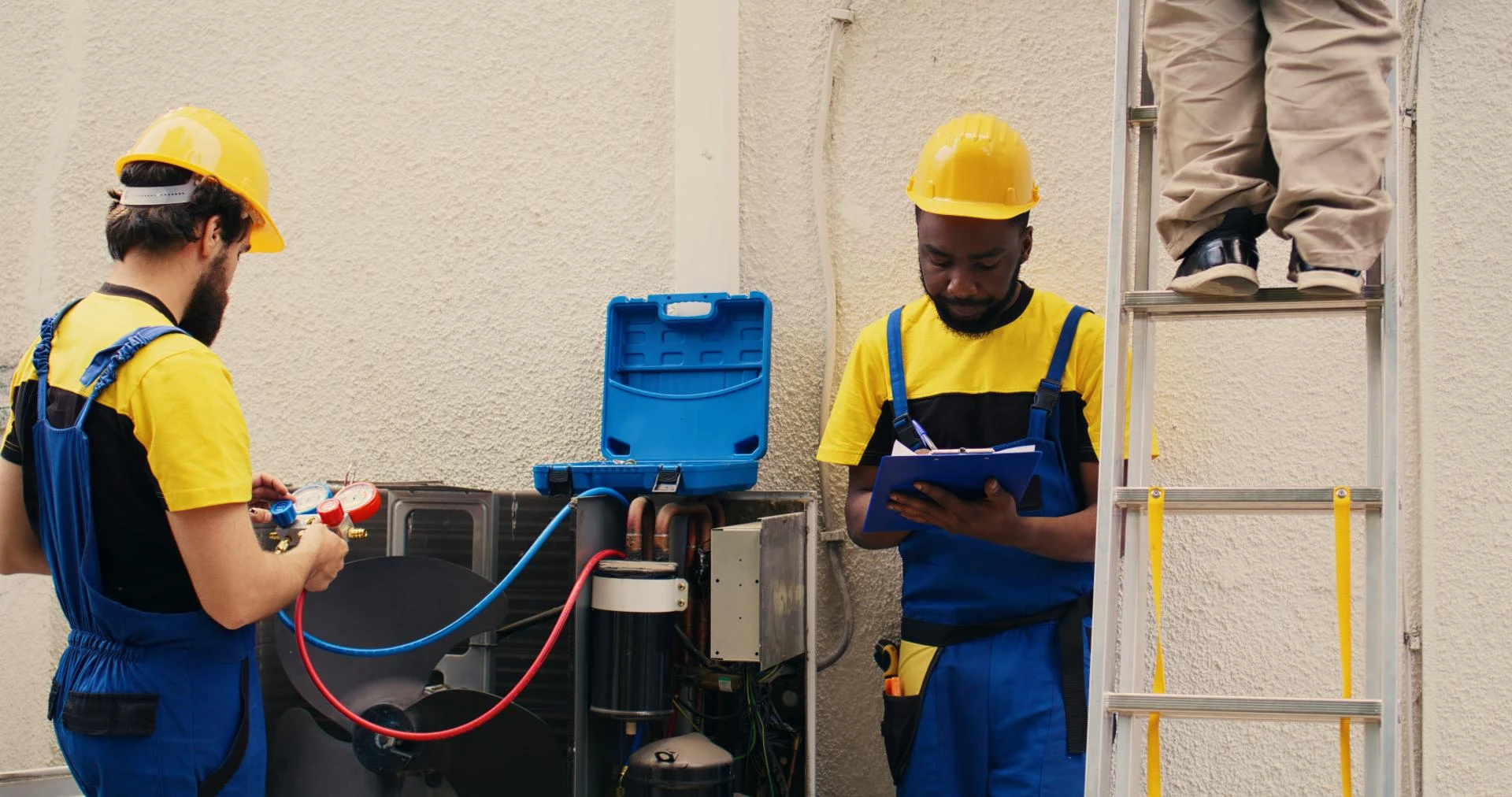
If you’re uncomfortable cleaning the coils yourself, consider hiring a professional air conditioning repair Philadelphia to perform this task. They have the tools and expertise to ensure the coils are cleaned properly without causing damage, thus ensuring the long-term functionality of your AC unit.
If you suspect low refrigerant levels, it's best to call a professional technician. Handling refrigerants requires specialized tools and knowledge due to the potential environmental impact and safety risks. A professional can identify leaks and recharge the system with the correct amount of refrigerant.
Incorrect refrigerant levels can significantly impact your AC’s efficiency and cooling capacity. Addressing these issues promptly ensures that your AC operates at peak performance, providing reliable cooling without unnecessary strain on the system.
Loose connections or faulty electrical components can cause your AC to trip the breaker. Inspect the wiring and connections in your AC unit for any signs of damage. If you're not comfortable doing this yourself, it's wise to hire a qualified technician. Ensuring all electrical components are secure and functioning properly is essential for safe operation.
Regular inspections help in identifying potential hazards before they become serious issues. A professional can provide a thorough assessment and necessary repairs, ensuring your AC system remains safe and efficient. A malfunctioning compressor or fan motor can draw excessive current, causing the breaker to trip. Listen for unusual noises or vibrations coming from your AC unit.
If you suspect motor issues, contact a professional for an in-depth inspection. Addressing these problems early can prevent more extensive damage and costly repairs. Regular monitoring and maintenance of motor components are vital for the longevity and efficiency of your AC system.
Professionals have the expertise to diagnose and fix motor issues, ensuring your unit operates smoothly. While some maintenance tasks can be done on your own, certain issues require the expertise of a professional HVAC technician. Here are a few scenarios where it's best to call in the experts:
● Persistent breaker tripping despite performing regular maintenance. This indicates a deeper issue that may not be apparent during routine checks.
● Suspected refrigerant leaks. These require specialized equipment and expertise to handle safely and efficiently.
● Electrical issues beyond basic inspection. Complex electrical problems can pose serious risks and should be handled by qualified professionals.
● Unusual noises or vibrations that don't resolve after cleaning or simple repairs. This could indicate internal damage or malfunctioning components. Hiring a professional ensures that your AC is repaired safely and correctly, preventing further damage and costly repairs down the line.
Professionals can provide peace of mind, knowing that your system is in capable hands, and can also offer advice on preventive measures to avoid future issues.
To minimize the risk of your AC tripping the breaker in the future, consider these preventive measures:
● Schedule regular professional maintenance checks. This ensures that potential issues are identified and addressed before they become major problems.
● Keep the area around your outdoor unit clear of debris and vegetation. Proper airflow is crucial for efficient operation, and clearing obstructions can prevent overheating.
● Monitor your AC's performance and address issues promptly. Early intervention can prevent minor issues from escalating into costly repairs.
● Install a surge protector to safeguard your AC from power surges. This can protect the unit from electrical spikes, prolonging its lifespan and maintaining performance.
By taking these steps, you can enhance the efficiency and lifespan of your air conditioning unit, ensuring a comfortable indoor environment without unexpected interruptions. Preventive care is key to maintaining a reliable cooling system and avoiding unnecessary expenses.
Dealing with an AC that keeps tripping the circuit breaker can be frustrating, but understanding the underlying causes and implementing the right solutions can help you resolve these issues effectively. Regular maintenance, timely repairs, and professional assistance when needed are key to keeping your AC running smoothly and efficiently.
Remember, safety comes first. If you're unsure about handling any AC related issues, don't hesitate to contact a professional HVAC technician. By taking proactive measures, you can ensure your home's comfort and safety, even during the hottest months. A well-maintained AC system not only enhances your comfort but also provides peace of mind, knowing that you’re protected from potential hazards and unnecessary costs.