Few dinosaurs are as instantly recognizable as Triceratops horridus. With its massive bony frill, three unmistakable horns, and powerful four-legged build, this Late Cretaceous herbivore has become one of the defining symbols of prehistoric life. Yet behind its familiar appearance lies a fascinating fossil record that continues to shape scientific research and inspire collectors worldwide. While browsing triceratops fossils, many people notice that prices, sizes, and specimen types vary considerably.
Understanding why those differences exist makes it much easier to appreciate both the scientific importance and collectible value of these remarkable remains.
Unlike decorative objects, authentic dinosaur fossils are irreplaceable records of ancient life. Every specimen represents a unique combination of biology, geology, and preservation that cannot be duplicated, making informed collecting an essential part of preserving natural history.
What Makes Triceratops So Special?
Triceratops lived approximately 68 to 66 million years ago during the Late Cretaceous Period, shortly before the mass extinction that ended the age of non-avian dinosaurs. Fossils have been discovered primarily in the western United States and parts of Canada, where ancient floodplains and river systems created ideal conditions for fossil preservation.
This enormous herbivore could grow nearly 30 feet long, stand around 10 feet tall at the hips, and weigh several tons. Although its appearance often suggests a slow-moving animal, its robust limbs and heavily built skeleton indicate it was well-adapted to support its impressive size.
Several anatomical features distinguish Triceratops from other horned dinosaurs:
- Two long brow horns positioned above the eyes
- A shorter horn is located on the nose
- A large, solid frill extending from the back of the skull
- A powerful beak adapted for cropping tough vegetation
- Hundreds of specialized teeth are arranged in a continuously replacing dental battery
These characteristics helped the animal feed efficiently while also providing potential protection from predators such as Tyrannosaurus rex. Bite marks found on some fossilized frills even suggest that interactions between these iconic dinosaurs occasionally occurred.
More Than Just Big Bones
Large fossils naturally attract attention, but size alone does not determine collectible or scientific value.
Every authentic fossil preserves information that researchers use to better understand dinosaur anatomy, growth, behavior, and evolution. Even isolated bones can contribute meaningful scientific evidence when their geological context is properly documented.
Several factors influence how collectors evaluate a specimen:
- Completeness
- Anatomical preservation
- Surface detail
- Geological locality
- Scientific documentation
- Structural stability
- Professional preparation
Preparation is especially important because dinosaur fossils are typically embedded within sedimentary rock. Skilled technicians carefully expose the fossil using precision tools while preserving delicate anatomical features. Their work allows natural details to become visible without altering the fossil itself.
Minor stabilization is sometimes necessary because fossils can develop fractures during millions of years underground or during excavation. Responsible sellers openly disclose this work so collectors understand the condition of every specimen.
Why Do Prices Vary So Much?
One of the most common questions collectors ask concerns pricing.
Browsing listings of a Triceratops skull for sale quickly reveals enormous differences in value. These variations exist because every fossil possesses a unique combination of rarity, preservation, preparation, and documentation.
Several factors contribute to pricing.
Completeness
Nearly complete skulls or articulated specimens are considerably less common than isolated bones or partial remains.
Preservation Quality
Sharp anatomical features, minimal erosion, and excellent surface texture generally increase desirability.
Scientific Importance
Specimens that preserve unusual anatomical characteristics or come from significant geological formations often attract greater interest.
Preparation Quality
Careful preparation that exposes original fossil surfaces without excessive restoration contributes substantially to long-term value.
Provenance
Well-documented discovery locations provide scientific context that strengthens both educational and collectible importance.
It is also important to understand that fossils recovered from the same geological formation may differ dramatically in preservation. Burial conditions, mineral replacement, groundwater chemistry, and millions of years of geological change all influence the appearance and condition of each specimen.
Experienced collectors, therefore, focus less on simple size comparisons and more on authenticity, documentation, and overall preservation.
Choosing Quality Over Quantity
Building a meaningful fossil collection involves thoughtful decisions rather than impulse purchases.
Collectors benefit from asking several practical questions before acquiring any dinosaur fossil:
- Is the fossil accurately identified?
- Does it include locality information?
- Has restoration been performed?
- Is the specimen structurally stable?
- Has professional preparation preserved natural features?
Is documentation available?
Reputable fossil dealers welcome these questions because transparency builds confidence and promotes responsible collecting.
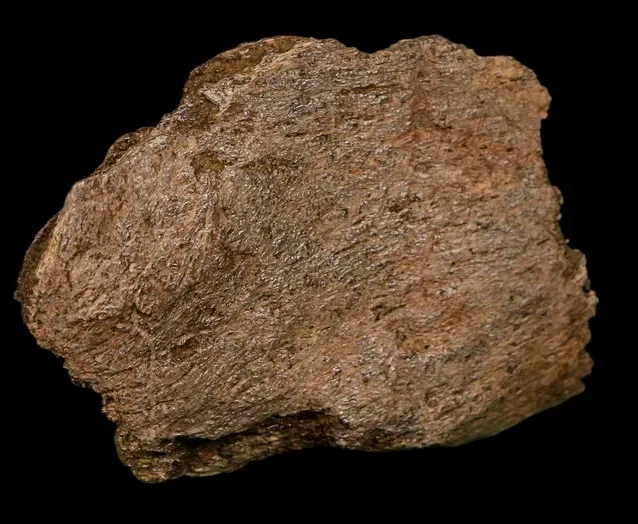
Understanding natural variation is equally important. Fossils are geological objects shaped by millions of years of mineralization rather than manufactured products. Differences in color, density, texture, and preservation are entirely expected and often add character to an authentic specimen.
Every fossil records not only the life of an ancient animal but also the geological history that preserved it.
Small Fossils, Big Scientific Value
Although skulls often receive the most attention, smaller fossil elements continue to play an essential role in paleontology.
Well-preserved triceratops teeth provide remarkable insight into feeding adaptations. Unlike the simple teeth of many reptiles, Triceratops possessed complex dental batteries composed of stacked replacement teeth that functioned together to efficiently process tough prehistoric vegetation. As older teeth wore down, new ones continually moved into position, creating an exceptionally effective chewing system.
Researchers also study isolated teeth to investigate dietary habits, evolutionary relationships, growth stages, and wear patterns. Differences in microscopic scratches and enamel wear reveal how these herbivores processed fibrous leaves and other Late Cretaceous vegetation.
Other isolated fossils, including vertebrae, ribs, limb bones, and horn cores, also contribute valuable scientific information. These discoveries help paleontologists reconstruct muscle attachments, locomotion, growth, and skeletal development while expanding knowledge of one of North America's best-known dinosaurs.
For collectors, smaller specimens often provide an accessible opportunity to own authentic dinosaur fossils while appreciating the same remarkable geological history preserved within much larger discoveries.
Conclusion
The enduring popularity of Triceratops reflects far more than its famous horns and impressive size. Every authentic fossil preserves valuable evidence about anatomy, evolution, and the ecosystems that existed just before the end of the dinosaur era. By understanding how preservation, rarity, preparation, provenance, and scientific importance influence value, collectors can make informed decisions that extend beyond appearance alone. Through guaranteed specimens supported by accurate documentation, Fossil Age Minerals offers collectors authentic fossils that celebrate one of prehistoric Earth's most iconic dinosaurs while preserving an extraordinary chapter of natural history for future generations.