Interior design is constantly evolving, shaped by shifting lifestyles, new technologies, and fresh creative perspectives. Modern homeowners are increasingly drawn to spaces that feel intentional, functional, and beautifully tailored to their daily routines. Whether you’re planning a full remodel or simply looking for ways to refresh your living environment, staying updated with current design trends can help you create a home that feels stylish, comfortable, and distinctly yours. Here are some of the most impactful interior design trends taking over modern homes today.
1. Warm Minimalism
Minimalism has long been admired for its clean lines and clutter-free appeal. However, the latest version, warm minimalism adds softness and comfort to the aesthetic. Instead of stark white interiors and rigid simplicity, warm minimalism incorporates cozy textures, earth-toned accents, and gentle lighting. The goal is to maintain simplicity while making the space feel inviting.
To achieve this look, combine natural wood elements, textured fabrics, and a soft color palette. Think creamy neutrals, warm taupes, and subtle greens. This trend proves that minimalism doesn’t have to feel cold, it can be warm and livable.
2. Multifunctional Spaces for Modern Living
Versatility is a key theme in today’s interior design. Homeowners want rooms that can serve multiple purposes as lifestyles continue to evolve. A dining area may double as a workspace, or a guest room might also be a home gym. As more people work remotely or engage in flexible activities, multifunctional design solutions are becoming essential.
Fold-away desks, modular furniture, and built-in shelving are increasingly popular. These elements allow spaces to transition seamlessly throughout the day, making homes more functional without sacrificing style.
3. Biophilic Design and Nature-Inspired Elements
Biophilic design a concept that connects interiors with nature continues to rise in popularity. Today’s homeowners crave environments that bring a sense of peace and well-being, making natural materials and organic shapes highly sought after.
Plants, wood finishes, stone textures, and nature-inspired décor are all part of this trend. Large windows, natural light, and indoor gardens add freshness and vibrancy to a space. Even small touches like woven baskets, clay vases, or linen textiles help capture the calming beauty of the natural world.
4. Soft Curves and Rounded Silhouettes
In contrast to the sharp geometric lines once seen in modern homes, curves are making a strong comeback. Rounded furniture, arched doorways, curved sofas, and circular décor pieces create a softer, more relaxed atmosphere.
Curves not only feel contemporary but also add a sense of flow and movement to a room. This trend fits particularly well in living rooms, bedrooms, and cozy reading corners where comfort and softness take center stage.
5. Rich, Layered Textures
Texture has become one of the most important elements in modern interior design. Even when a color palette is simple, layering textures can add depth and visual interest. The combination of different materials such as wool, velvet, linen, cane, leather, and stone—creates a tactile richness that makes a home feel complete.
To embrace this trend, mix contrasting surfaces and materials. A plush velvet sofa paired with a rustic jute rug and a marble coffee table instantly brings dimension to a room.
6. Statement Lighting as Functional Art
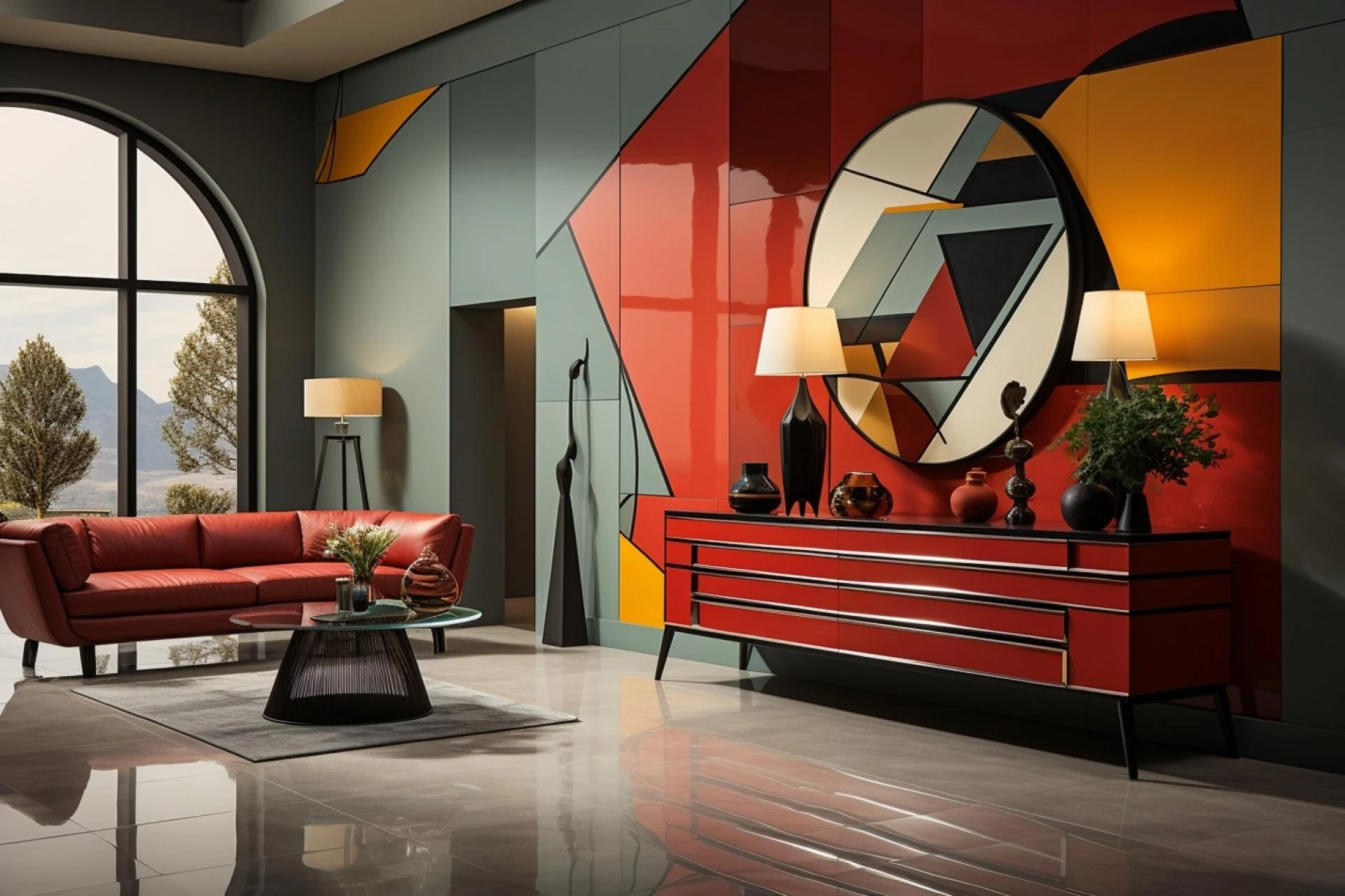
Lighting is no longer just functional it’s a statement. Sculptural lighting fixtures are being used as art pieces, dramatically enhancing the character of a room. Oversized pendant lights, linear chandeliers, and uniquely shaped sconces add personality and visual intrigue.
Whether in the foyer, dining room, or kitchen, statement lighting elevates the design and helps create an unforgettable impression.
7. Moody Color Palettes
While neutrals remain timeless, darker and moodier tones are gaining traction. Deep greens, charcoal grays, navy blues, and rich burgundies add sophistication and create cozy, intimate spaces.
Moody palettes work exceptionally well in bedrooms, dens, and dining rooms. When paired with warm metals like brass or copper, the result is luxurious and elegant.
8. Personalized, Character-Driven Décor
Modern homeowners are gravitating toward pieces that reflect their personality rather than following cookie-cutter design formulas. Custom artwork, vintage finds, handmade décor, and meaningful accents help make homes feel authentic.
This trend also emphasizes sustainability repurposing vintage items and investing in long-lasting, high-quality pieces over mass-produced décor.
9. Smart Home Integration with a Design-First Approach
Smart home features have become standard in many modern homes, but today’s trend is to integrate them without compromising aesthetics. From hidden speakers to seamless smart lighting systems, technology is being blended with interior design in thoughtful ways.
Even charging docks, thermostats, and home security systems are now available in sleek designs that complement a room’s overall look.
10. Design That Supports Well-Being
Homes are becoming personal sanctuaries, reflecting wellness-focused living. This includes calm color palettes, designated relaxation zones, air-purifying plants, soft lighting, and cozy nooks for reading or meditation.
As homeowners prioritize mental health and comfort, interior design continues to evolve to support a soothing lifestyle at home.
How Design Trends Influence Local Markets
Interior design trends often unfold differently depending on local lifestyles, climate, and architecture. For example, services focused on home designing Edmonton homeowners often highlight warm, functional, and cozy spaces that align with the region's seasonal changes. This localized approach helps ensure that design choices not only follow broader trends but also suit everyday living in the area.
The Link Between Interior Trends and Home Staging
Interior design and home staging frequently overlap, especially when preparing a property for sale. Trend-driven updates can help a home stand out, feel modern, and resonate with potential buyers. Stagers often blend current design styles with universally appealing aesthetics to create inviting spaces that make strong first impressions.
When preparing an empty property, services that specialize in vacant home staging Edmonton homeowners rely on can strategically bring trends to life while highlighting the home’s potential. This approach makes rooms feel complete, functional, and emotionally compelling to buyers.
Conclusion
Trends in interior design continue to evolve, reflecting shifts in lifestyle, technology, and art. Warm minimalism, nature-inspired elements, rich textures, and multifunctional spaces are only some of the ideas shaping modern homes today. Whether you’re updating a single room or reimagining your entire home, embracing these trends can help you create a living environment that feels both current and timeless. By blending style with comfort and functionality, you can transform your home into a space that supports your daily life while expressing your personal taste.