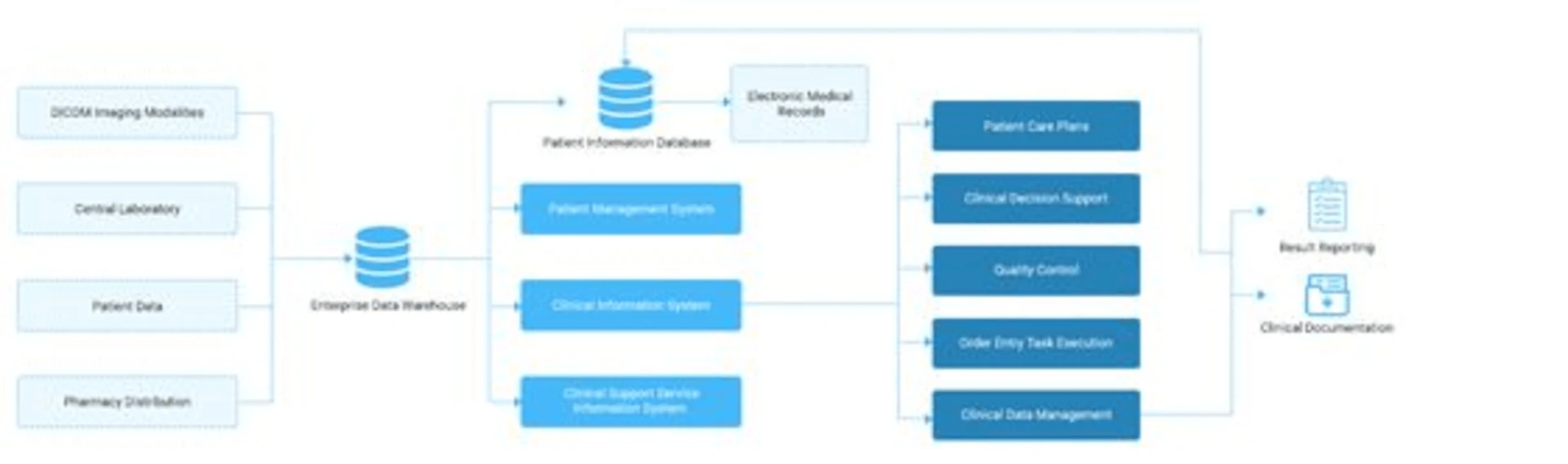
In today’s healthcare landscape, efficient operations and patient care management are crucial. A comprehensive Hospital Management System (HMS) offers hospitals the tools they need to streamline administrative, clinical, and operational tasks. By automating key processes and integrating critical functionalities, an HMS ensures smoother operations and better patient outcomes, making it an indispensable solution for modern healthcare institutions.
Streamlining Patient and Appointment Management
One of the core features of a Hospital Management System is patient management. This module helps streamline patient registration, track medical histories, and manage patient visits. By centralizing patient data, healthcare providers can easily access detailed medical information, ensuring efficient treatment and care. The appointment scheduling system integrated within the hospital management software system allows healthcare facilities to manage patient appointments, reducing wait times and avoiding overbooking, which enhances both patient satisfaction and staff efficiency.
Optimizing Billing and Claims Processing
Efficient financial management is essential for the success of any healthcare institution. The billing and claims module of a hospital management system automates invoicing and insurance claim processing. By reducing manual errors and expediting the reimbursement cycle, this module helps hospitals maintain a smooth financial flow. It also enables healthcare providers to accurately track payments and outstanding balances, offering a transparent overview of financial transactions.
Laboratory and Operation Theatre Management
Laboratory management within an HMS enhances communication and coordination between medical professionals and laboratory staff. This module ensures that diagnostic test orders, sample tracking, and results reporting are seamlessly integrated, leading to faster and more accurate diagnoses. Similarly, the operation theatre management feature orchestrates the surgical workflow, including scheduling surgeries, coordinating staff, and managing resources, ensuring optimal utilization of operating rooms and minimizing delays.
Inventory and Supply Chain Management
Efficient management of medical supplies is vital for healthcare facilities. An HMS incorporates inventory and supply chain management tools that track stock levels, automate ordering, and manage suppliers. This integration ensures that essential medical supplies are always available without overstocking, which helps reduce waste and improve cost efficiency.
Improving Data Security and Patient Care
A hospital management system significantly enhances patient care by providing healthcare providers with easy access to organized and up-to-date patient information. It also improves data security by ensuring compliance with healthcare regulations, such as HIPAA. With robust encryption and access controls, HMS ensures that patient data remains confidential while being readily available to authorized medical staff.
Increased Efficiency and Cost Reduction
Implementing an hospital software systems not only reduces the administrative burden but also enhances the overall efficiency of hospital operations. By automating routine tasks, such as patient registration, scheduling, and billing, the system allows healthcare staff to focus on providing high-quality care. Additionally, the improved coordination between departments reduces redundancy and optimizes resource utilization, leading to cost savings and better financial management.
Conclusion
A Hospital Management System is a transformative tool that improves the quality of care, enhances operational efficiency, and supports better financial management. By integrating key functions such as patient management, appointment scheduling, billing, and lab operations, HMS empowers hospitals to deliver higher levels of service while optimizing internal processes. As technology continues to evolve, hospitals that adopt comprehensive HMS solutions will be better positioned to meet the growing demands of modern healthcare.