
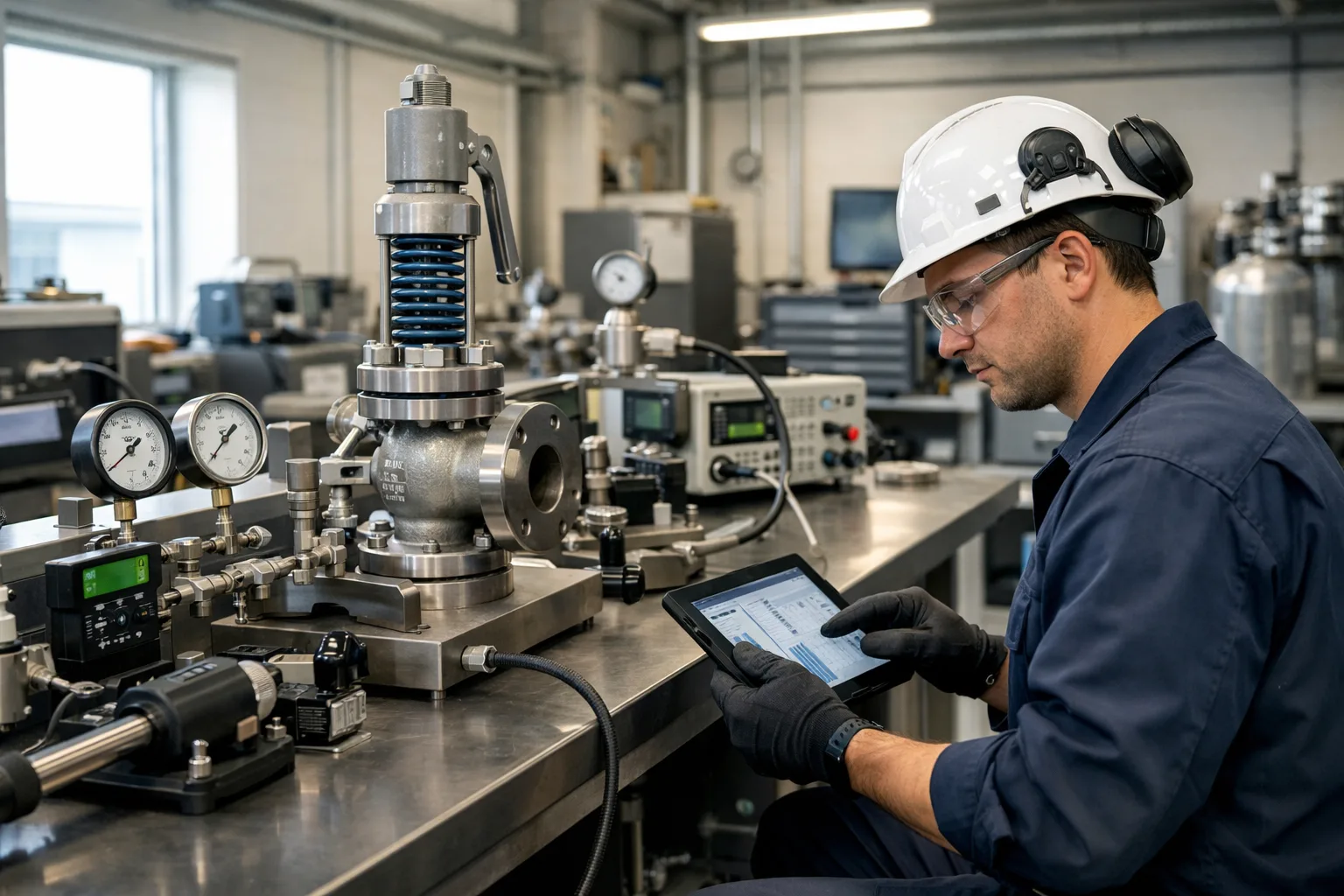
Pressure Safety Valves (PSVs) play a critical role in protecting industrial equipment and systems from excessive pressure. Choosing a qualified calibration provider is important because accurate calibration helps maintain safety, performance, and compliance. Many businesses look for PSV Calibration Companies in Dubai that follow recognized industry standards and certification requirements to ensure reliable calibration services.
Why Certifications Matter in PSV Calibration
Certifications show that a calibration provider follows established quality and technical standards. They help demonstrate that testing procedures are performed correctly and that measurement results can be trusted. Certified providers usually maintain documented processes, trained personnel, and calibrated equipment.
Without proper certifications, there may be uncertainty about the accuracy of calibration results. This can affect equipment reliability and create challenges during inspections, audits, or regulatory reviews.
ISO 17025 Accreditation
One of the most important certifications for a PSV calibration provider is ISO/IEC 17025 accreditation. This international standard applies to testing and calibration laboratories.
ISO 17025 focuses on technical competence and quality management. It requires laboratories to use validated methods, maintain calibrated equipment, and ensure measurement accuracy. It also includes requirements for staff competency and proper record keeping.
When a provider holds ISO 17025 accreditation, customers can have greater confidence in the reliability of calibration results.
ISO 9001 Quality Management Certification
ISO 9001 is another valuable certification for calibration providers. It focuses on quality management systems and continuous improvement.
A company with ISO 9001 certification follows structured processes to manage customer requirements, monitor performance, and improve service quality. While it does not specifically measure calibration accuracy, it supports consistent operations and customer satisfaction.
This certification often indicates that a provider has a strong commitment to maintaining quality standards across its services.
Manufacturer Training and Technical Qualifications
In addition to formal certifications, calibration technicians should have appropriate technical training. Many PSV manufacturers offer specialized training programs that teach proper inspection, testing, maintenance, and calibration procedures.
Qualified technicians understand valve operation, pressure settings, testing methods, and industry requirements. Their knowledge helps reduce the risk of errors during calibration activities.
Organizations often benefit from choosing providers whose technicians receive regular training to stay updated with changing industry practices.
Compliance with Industry Standards
A reliable calibration provider should be familiar with recognized industry standards related to pressure safety valves. Examples include standards issued by engineering and safety organizations that provide guidance on inspection, testing, and maintenance practices.
Following industry standards helps ensure that calibration procedures are performed consistently and according to accepted technical requirements. It also supports safer operation of industrial systems.
Providers that regularly review and apply current standards are often better prepared to meet customer and regulatory expectations.
Equipment Calibration and Traceability
Certified providers should use testing equipment that is regularly calibrated and traceable to recognized measurement standards.
Traceability means that measurement results can be linked through a documented chain of calibrations to national or international standards. This process helps maintain confidence in test accuracy.
A provider should maintain records showing calibration dates, certificates, and verification results for the instruments used during PSV testing. Proper traceability supports reliable and repeatable measurements.
Health, Safety, and Environmental Certifications
Safety is an important part of calibration work, especially in industrial facilities. Some providers maintain additional certifications related to occupational health, safety management, and environmental practices.
These certifications demonstrate a commitment to safe working procedures and responsible operations. They can help reduce workplace risks and support compliance with site safety requirements.
Strong safety practices are particularly important when handling pressure systems and conducting valve testing activities.
Importance of Documentation and Reporting
A qualified calibration provider should issue clear and detailed calibration reports. Proper documentation allows customers to review test results, verify compliance, and maintain maintenance records.
Reports typically include information such as valve identification, test conditions, calibration results, measurement data, and technician details. Good documentation supports future inspections and maintenance planning.
Certification programs often require providers to maintain accurate records and follow controlled reporting procedures.
Evaluating a Calibration Provider
Before selecting a calibration provider, it is useful to review their certifications, accreditations, technical capabilities, and experience. Customers should verify that certifications are current and relevant to the services being offered.
Questions about technician qualifications, equipment traceability, quality systems, and reporting practices can provide valuable insight into a provider's capabilities. These factors help ensure that calibration work is performed accurately and consistently.
When reviewing service options, many organizations consider PSV Calibration Companies in Dubai that maintain recognized certifications, follow industry standards, and demonstrate a strong commitment to quality and measurement accuracy.