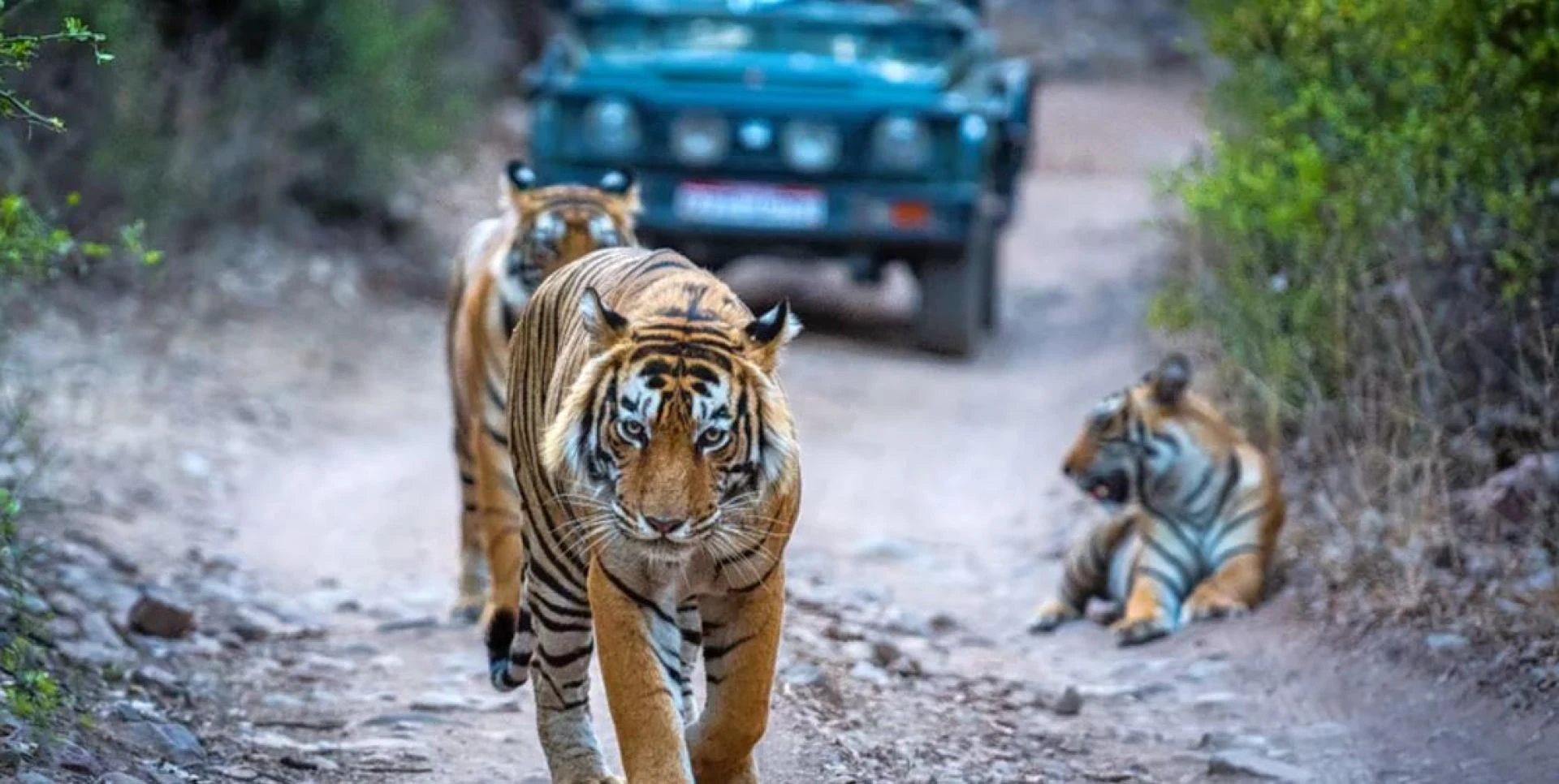
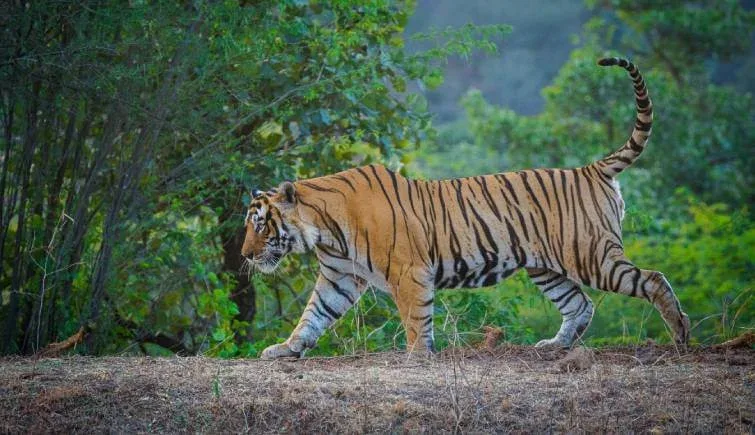
Rajasthan is widely celebrated for its grand fortresses, royal palaces, and vibrant desert heritage. However, beyond the gilded architecture lies a breathtaking wilderness populated by majestic Royal Bengal Tigers, elusive leopards, sloth bears, and hundreds of bird species. For wildlife enthusiasts and nature photographers, exploring the state’s protected reserves offers an unmatched thrill. Below is a curated guide to the top wildlife sanctuaries and national parks in Rajasthan that every safari lover must visit.
1. Ranthambore National Park (Sawai Madhopur)
Located at the junction of the Aravalli and Vindhya mountain ranges, Ranthambore National Park is arguably India’s most famous tiger reserve. The park’s landscape features ancient ruins, deep craggy ravines, expansive lakes, and dense dhok forests. This unique setting offers one of the best opportunities in the world to observe wild Bengal tigers in their natural habitat during daylight hours.
Ranthambore is divided into 10 distinct eco-tourism zones to ensure sustainable wildlife management. Core zones 1 through 5 are famous for their high tiger density and lake views, while zones 6 through 10 showcase rugged hills, plateau ecosystems, and scenic stream beds. Beyond tigers, travelers regularly spot leopards, marsh crocodiles, caracals, sambar deer, and sloth bears.
When planning your journey to Sawai Madhopur, selecting the right stay is crucial for an effortless wildlife experience. Staying at Ranthambore Tiger Resort - Resort in Ranthambore provides travelers with authentic Rajasthani hospitality, modern comforts, and convenient proximity to the main park gates. Placing yourself near the entry zones allows you to wake up rested and reach your scheduled morning drive without delay.
For the ultimate game-viewing adventure, booking an open-top 6-seater jeep safari in Ranthambore is highly recommended for small groups and photographers who require quick maneuverability and clear vantage points. To budget your trip accurately, check the official Ranthambore safari tariff in advance, as costs vary depending on whether you choose a gypsy or a 20-seater canter vehicle.
2. Sariska Tiger Reserve (Alwar)
Nestled in the lap of the Aravalli Hills in the Alwar district, Sariska Tiger Reserve holds a historic place in Indian conservation. It was the first reserve in the world to successfully rehabilitate relocated Royal Bengal Tigers. Spanning scrub-thorn forests, dry deciduous forests, and rocky cliffs, Sariska is an ideal wildlife destination for travelers seeking a weekend getaway from Jaipur or Delhi.
Sariska is home to a thriving population of tigers, leopards, striped hyenas, nilgai, chinkaras, and golden jackals. History and nature intertwine here seamlessly; within the reserve boundaries lie medieval structures such as the Kankwari Fort and the ancient Neelkanth temples. Morning and afternoon vehicle safaris offer magnificent scenery along with high chances of wildlife sightings.
3. Keoladeo Ghana National Park (Bharatpur)
Formerly known as the Bharatpur Bird Sanctuary, Keoladeo Ghana National Park is a UNESCO World Heritage Site and a global paradise for birdwatchers. Unlike the dense forest terrains of Ranthambore or Sariska, Keoladeo is a man-made wetland sanctuary spanning approximately 29 square kilometers.
During the winter months (November to February), thousands of migratory waterfowl and wading birds fly in from Siberia, Central Asia, and China. Visitors can spot rare species such as pelicans, cranes, storks, spoonbills, and eagles. Safaris here are uniquely eco-friendly: travelers can explore the paved park trails on foot, by bicycle, or via electric rickshaws driven by certified local naturalists.
4. Mukundra Hills Tiger Reserve (Kota)
Situated in the southeastern region of Rajasthan near Kota, Mukundra Hills Tiger Reserve (also known as Darrah Wildlife Sanctuary) is a rising star for wildlife adventurers. Encompassing the lush valleys formed by four rivers—Chambal, Kali, Ahu, and Amjar—this reserve presents a verdant landscape filled with dense teak forests and steep river gorges.
Mukundra serves as a vital ecological corridor connected to Ranthambore, providing extra habitat for expanding tiger populations. Wildlife lovers visiting Mukundra can spot tigers, leopards, sloth bears, wolves, and chinkaras, while the Chambal River portion offers spectacular boat safaris to observe gharials and marsh crocodiles.
5. Jawai Leopard Reserve (Pali)
For travelers interested in big cats outside traditional national park boundaries, Jawai in Pali district offers one of the most unique wildlife experiences in Asia. Defined by massive granite rock formations, ancient caves, and winding riverbeds, Jawai is world-famous for its high concentration of wild leopards.
In Jawai, wild leopards live in remarkable harmony with the local Rabari pastoralist tribe. Customized 4x4 open-jeep safaris navigate the rocky terrain during early mornings and late afternoons, tracking leopards as they sun themselves atop granite boulders. The nearby Jawai Dam also attracts large flocks of migratory birds, flamingos, and resident crocodiles.
Practical Tips for Rajasthan Wildlife Safaris
- Book Safaris Early: Official safari slots across major reserves like Ranthambore are strictly capped per day and open for booking months in advance.
- Respect Wildlife Rules: Maintain silence, refrain from feeding animals, keep inside designated safari vehicles, and wear muted, natural-colored clothing like khaki or olive green.
- Pack for the Season: Winter morning safaris can be unexpectedly cold, so carry warm layers. During summer months, stay hydrated and protect yourself from sunburn.