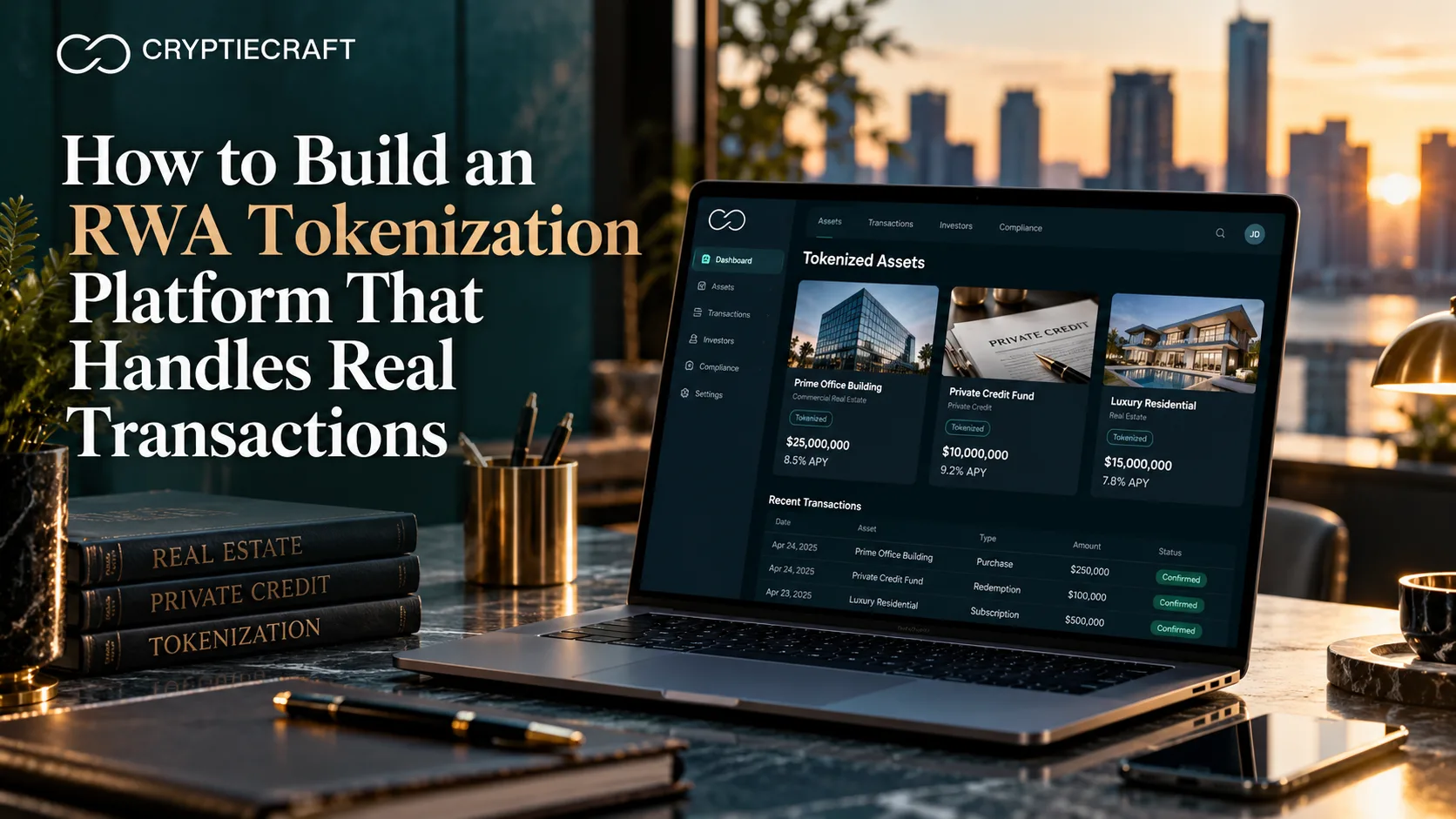
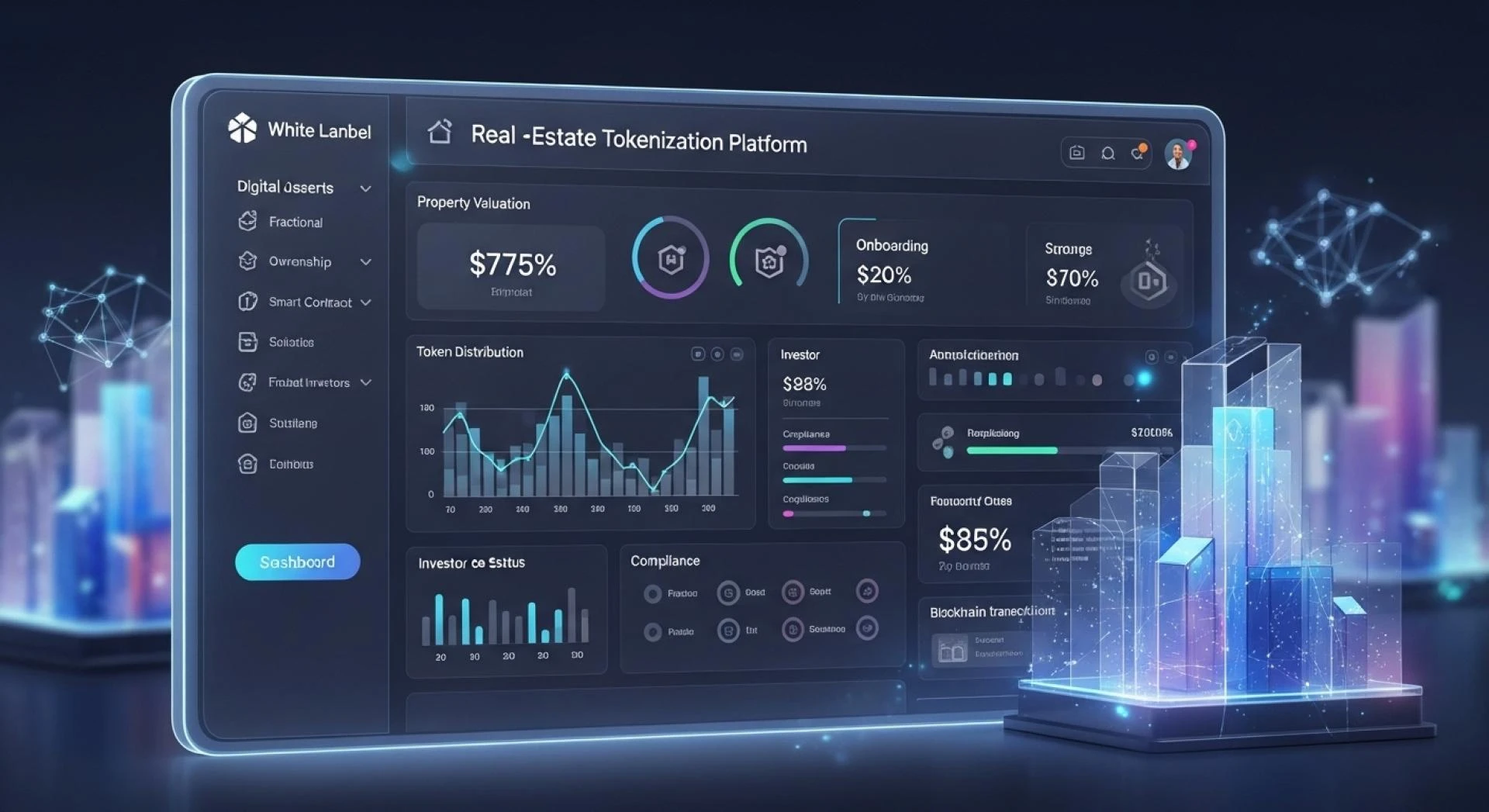
Real estate continues to evolve at a rapid pace, but the shift happening in 2026 is unlike anything the industry has seen before. The adoption of digital assets, decentralization, and fractional ownership models has made real estate tokenization one of the most transformative innovations for property developers worldwide. With rising competition, increasing investor expectations, and the demand for global accessibility, the need for a powerful and ready-to-deploy White Label Real Estate Tokenization Platform has become essential.
Developers today must navigate both technological disruption and market complexities. Investors are looking for transparency, liquidity, and faster transactions, while property owners expect secure and scalable investment structures. This is where a White Label Tokenization Platform becomes a game-changing asset. Instead of spending years building a tokenization solution from scratch, developers can deploy a fully built framework tailored to their business needs while focusing on scaling, operations, and investor relationships.
In 2026, developers who adopt White Label Real Estate Tokenization Services will gain an unmatched competitive advantage. Let us explore the top reasons why every developer needs a White Label Real Estate Tokenization solution in the coming year.
1. Faster Time to Market Compared to Custom Development
Developing a Real estate tokenization platform from scratch requires extensive knowledge in blockchain, regulatory compliance, smart contract development, investor management, security standards, and property token issuance. The process is time consuming and costly.
A White Label Real Estate Tokenization Platform shortens this timeline dramatically. All core functionalities are already built, tested, and optimized. Developers can deploy a Tokenized real estate platform in a fraction of the time while customizing it to match brand identity and investment models. This ensures faster entry into global digital asset markets and quicker onboarding of investors.
In 2026, speed will be a critical competitive factor. Platforms that launch early will gain investor trust, liquidity advantages, and stronger positioning.
2. Cost Efficiency With No Need for Building From Scratch
Building a proprietary platform can require millions of dollars in development, engineering, testing, audits, and maintenance. Even after launch, ongoing improvements and compliance updates add additional expenses.
White Label Real Estate Tokenization Services eliminate these costs by offering a ready-to-use foundation. Developers only need to pay for customization, integrations, and deployment instead of funding a full-scale technology build. This makes tokenization accessible even for mid-sized developers.
The cost-efficiency benefits allow developers to allocate more resources to marketing, investor acquisition, operational management, and portfolio expansion.
3. Complete Compliance Support for Multiple Regulatory Environments
Real estate is heavily regulated, and tokenization adds further complexity with securities laws, KYC, AML, taxation, investment limits, and digital asset rules.
A White Label Real Estate Tokenization Development solution integrates compliance frameworks into the platform. This includes investor onboarding workflows, identity verification tools, audit-ready reporting modules, and jurisdiction-specific token issuance guidelines.
Developers get peace of mind knowing that their Tokenized real estate platform aligns with global regulatory standards. This reduces legal risks and increases investor confidence.
4. Built-In Smart Contract Automation for Greater Efficiency
Smart contracts are the backbone of Real estate tokenization. They automate ownership transfers, dividend distribution, rights management, voting, and compliance processes.
However, creating smart contracts manually requires advanced blockchain expertise and rigorous auditing.
White Label Real Estate Tokenization Platform Development includes pre-audited, battle-tested smart contract modules tailored for real estate investment. Developers save significant time and avoid high risk development errors.
Automated operations ensure transparency, accuracy, and security across all transactions, increasing credibility and operational efficiency.
5. Global Investor Access Through Fractional Ownership
Tokenization breaks down high-value properties into smaller digital shares that investors can purchase without geographic limitations. This democratizes access to global real estate and expands the investor pool exponentially.
Developers using a White label tokenization platform can attract domestic and international investors, institutional funds, family offices, retail investors, and property enthusiasts from around the world.
Fractional ownership enables faster fundraising, higher liquidity, and portfolio diversification for developers and investors alike.
6. Enhanced Liquidity Through Secondary Market Trading
Traditional real estate is known for its illiquidity. Investors often wait years to exit an investment.
Tokenization changes this by enabling secondary trading opportunities for property-backed digital tokens. A Tokenized real estate platform typically supports integrations with asset exchanges and digital marketplaces where investors can buy and sell tokens instantly.
Developers benefit significantly from this liquidity advantage because:
- Investors prefer liquid assets, increasing demand.
- Developers can complete fundraising faster.
- Long-term investment risks are reduced.
By 2026, liquidity will be a key expectation in real estate investment, making tokenization platforms essential.
7. Unmatched Transparency for Investors
One of the biggest challenges in the real estate industry is the lack of transparency related to ownership, property valuation, transaction records, and investor rights.
White Label Real Estate Tokenization solutions ensure complete transparency through blockchain based record keeping. Every transaction, token issuance detail, investor activity, and ownership share is stored securely and immutably.
Investors gain real-time visibility, improving trust and engagement. Developers benefit from automated reporting and transparent workflows that reduce operational disputes.
8. Increased Security Through Blockchain Architecture
Real estate deals involve high-value assets and sensitive financial information. Security breaches can cause major financial and reputational damage.
A White Label Tokenization Platform utilizes decentralized blockchain architecture with strong encryption, secure wallets, multi-factor authentication, and advanced cybersecurity layers. Developers can protect both their assets and their investors with minimal effort.
This ensures secure ownership transfers, protected investment accounts, and safe digital token storage.
9. Scalability to Support Multiple Projects and Investors
Developers working on multiple projects often struggle with fragmented systems for fundraising, investor management, and documentation.
A White Label Real Estate Tokenization Platform provides complete scalability to manage any number of assets, properties, investment models, and investors on one platform. Whether a developer handles a single luxury property or an entire commercial portfolio, the platform grows with the business.
This centralized ecosystem keeps operations organized and streamlined across the board.
10. Improved Investor Management and Communication Tools
Tokenization platforms include built-in investor dashboards, communication modules, notification systems, document management tools, and reporting features.
Developers can:
- Track investor contributions
- Manage dividends or rental yields
- Update documents instantly
- Share property updates in real time
- Offer voting mechanisms for governance
This creates a seamless investor experience that enhances satisfaction and encourages repeat investments.
11. Custom Branding for Professional Market Positioning
Developers need strong branding to stand out in the emerging tokenization landscape.
White Label Real Estate Tokenization Development solutions offer complete customization including colors, logos, UI design, dashboards, landing pages, property showcases, and investor portals.
This ensures the platform aligns with the developer’s brand identity while maintaining the underlying functional strength of a ready-made system.
A custom branded platform builds authority, professionalism, and investor trust.
12. Advanced Property Management and Revenue Distribution Tools
Tokenization platforms often include modules that automate operations such as rental income distribution, maintenance tracking, yield calculation, and property performance analytics.
Developers benefit from:
- Reduced operational workload
- Greater accuracy in calculations
- Timely investor payouts
- Organized property financials
- Real-time performance visibility
These tools allow developers to focus on strategic growth instead of administrative tasks.
13. Positioned for the Future of Real Estate Investments
The global shift toward digital assets, decentralized finance, crypto adoption, and Web3 ecosystems is reshaping real estate investment.
Developers who adopt tokenization early will be positioned as industry leaders. By 2026, tokenization will not be optional but essential. Investors will increasingly choose platforms that offer global access, fractional ownership, fast transactions, and liquidity.
A White Label Real Estate Tokenization Platform equips developers to lead this transformation and stay ahead of competitors.
14. Ability to Launch Diverse Investment Models
Developers can launch various investment types on a White label tokenization platform including:
- Fractional ownership tokens
- Equity-backed tokens
- Revenue sharing tokens
- Rental income tokens
- Debt or bond based property tokens
- Commercial and residential property tokens
This opens multiple revenue streams and caters to different investor preferences.
15. Seamless Integration With Banking and Payment Ecosystems
Modern tokenization platforms integrate easily with:
- Payment gateways
- Digital wallets
- Custodial solutions
- Compliance APIs
- Marketplaces
- Blockchain networks
Such integrations allow developers to operate a complete investment ecosystem without heavy technical setup.
The platform becomes an all-in-one environment for investment management, property token issuance, fundraising, and secondary trading.
16. Strong Competitive Advantage in a Growing Market
By 2026, competition in Real estate tokenization will intensify. Developers who adopt White Label Real Estate Tokenization Platform Development early will gain a strong advantage.
Early adopters can:
- Build investor communities faster
- Raise capital more efficiently
- Offer modern investment experiences
- Establish authority in the market
- Expand globally without high costs
Tokenization gives developers an edge that traditional real estate models cannot match.
The real estate industry is undergoing a massive transformation driven by digitalization, gamified ownership models, globalized investment access, and blockchain-backed asset management. Developers who want to scale, attract global investors, and future proof their business must adopt a White Label Real Estate Tokenization Platform in 2026.
From cost efficiency and fast deployment to global accessibility, enhanced security, compliance readiness, and smart contract automation, tokenization unlocks opportunities that traditional models cannot provide. With tools for property management, investor engagement, liquidity, and branding, a White Label Real Estate Tokenization solution empowers developers to lead the next generation of real estate innovation with confidence.