1. Seamless Indoor-Outdoor Living
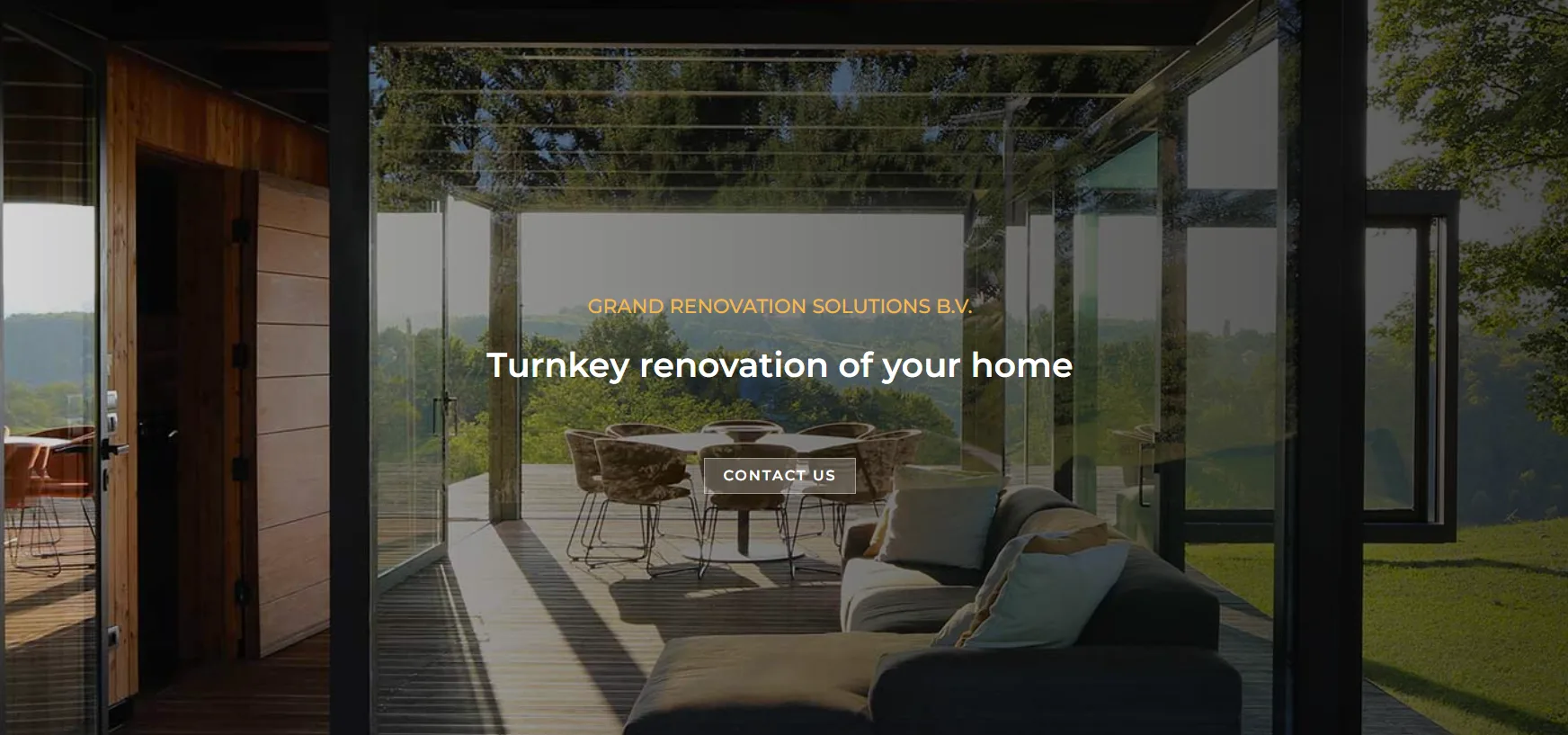
One of the most prominent trends in luxury renovation is the integration of indoor and outdoor spaces. High-end homes are increasingly designed to blur the boundaries between the interior and exterior.
Floor-to-ceiling glass walls, retractable doors, and open-plan layouts allow natural light to flood the interiors while offering uninterrupted views of landscaped gardens, pools, or scenic surroundings. Outdoor kitchens, lounges, and dining areas are now considered essential components of luxury living.
Natural materials such as stone, wood, and concrete are often used consistently across both spaces to create visual harmony. This approach not only enhances aesthetics but also promotes a sense of tranquility and connection with nature.
2. Smart Home Integration at Every Level
Luxury today is synonymous with convenience, and smart home technology plays a central role in modern renovations. Homeowners are seeking fully integrated systems that control lighting, climate, security, entertainment, and even window treatments.
Voice-controlled assistants, AI-driven automation, and smartphone connectivity allow residents to manage their environment effortlessly. Imagine waking up to automated blinds opening, soft lighting adjusting to your mood, and your coffee machine starting without a touch.
Security systems have also evolved, with biometric access, facial recognition, and real-time monitoring becoming standard in upscale homes. These features provide peace of mind while maintaining a sleek, unobtrusive design.
3. Spa-Inspired Bathrooms
Bathrooms are no longer purely functional—they have become personal wellness retreats. Luxury renovations are focusing heavily on transforming bathrooms into spa-like sanctuaries.
Key features include:
- Freestanding soaking tubs
- Rainfall and multi-jet showers
- Heated floors and towel racks
- Natural stone finishes such as marble and travertine
- Ambient lighting and aromatherapy systems
Many homeowners are also incorporating saunas, steam rooms, and cold plunge pools into their designs. The goal is to create a calming space where relaxation and rejuvenation are prioritized.
4. Statement Kitchens with Designer Appeal
The kitchen remains the heart of the home, but in luxury renovations, it also becomes a statement of style and sophistication.
Modern high-end kitchens emphasize:
- Custom cabinetry with hidden storage solutions
- Premium appliances seamlessly integrated into the design
- Oversized islands with waterfall edges
- Unique materials like quartzite, onyx, or backlit stone
- Sculptural lighting fixtures
Minimalism plays a key role, with clutter-free surfaces and clean lines dominating the aesthetic. However, warmth is introduced through textures, wood accents, and subtle color contrasts.
5. Bespoke Materials and Craftsmanship
Mass-produced finishes are being replaced by bespoke elements that add character and exclusivity. Luxury homeowners are increasingly investing in custom-made features crafted by skilled artisans.
Examples include:
- Hand-carved wood paneling
- Custom metalwork and railings
- Unique stone patterns and inlays
- Tailored furniture pieces designed specifically for the space
This trend emphasizes individuality and ensures that no two homes look the same. It also adds long-term value, as craftsmanship is associated with durability and timeless appeal.
6. Sustainable Luxury
Sustainability has become a defining aspect of modern luxury. High-end renovations are now focused on eco-conscious design without compromising elegance.
Energy-efficient systems, solar panels, and smart insulation are widely used to reduce environmental impact. Reclaimed wood, recycled materials, and low-VOC finishes are also gaining popularity.
Water conservation is another priority, with advanced filtration systems and eco-friendly fixtures becoming standard in luxury homes.
This shift reflects a growing awareness that true luxury includes responsibility toward the environment.
7. Open Concept with Defined Zones
While open-plan living remains popular, luxury renovations are evolving toward a more structured approach. Instead of completely open spaces, designers are creating defined zones within a larger layout.
This is achieved through:
- Architectural elements like partial walls or glass partitions
- Changes in flooring materials
- Strategic furniture placement
- Lighting variations
The result is a space that feels open and airy while still providing functionality and privacy for different activities.
8. High-End Home Offices
With remote work becoming more common, luxury homeowners are prioritizing dedicated office spaces that combine productivity with elegance.
These offices are designed with:
- Custom desks and built-in shelving
- Soundproofing for privacy
- Ergonomic furniture
- Sophisticated lighting
- High-tech connectivity solutions
A well-designed office not only enhances efficiency but also reflects personal style, making it a seamless extension of the home’s overall design.
9. Luxury Walk-In Closets
Walk-in closets have evolved into boutique-style dressing rooms. These spaces are designed to showcase clothing and accessories while offering maximum organization.
Features often include:
- Custom shelving and display units
- Integrated lighting systems
- Seating areas and mirrors
- Climate control for delicate items
Some high-end closets even incorporate smart technology to manage wardrobe inventory or suggest outfit combinations.
10. Artistic Lighting Design
Lighting is no longer just functional—it is a key design element in luxury renovations. Layered lighting schemes create depth, mood, and visual interest.
Designers are incorporating:
- Statement chandeliers and pendant lights
- LED strip lighting for subtle accents
- Hidden lighting to highlight architectural features
- Adjustable lighting systems for different atmospheres
The right lighting can transform a space entirely, enhancing both its beauty and functionality.
11. Multi-Functional Entertainment Spaces
Luxury homes are increasingly designed with entertainment in mind. Home theaters, game rooms, wine cellars, and private bars are becoming essential features.
These spaces are tailored to the homeowner’s lifestyle, often including:
- Acoustic optimization for sound quality
- Custom seating arrangements
- Integrated audiovisual systems
- Unique design themes
Outdoor entertainment areas are also gaining popularity, with fire pits, lounges, and fully equipped kitchens creating ideal spaces for hosting guests.
12. Minimalist Elegance with Warm Accents
Minimalism continues to dominate luxury design, but it has evolved to include warmth and comfort. Instead of stark, cold interiors, designers are incorporating soft textures, natural tones, and layered materials.
Neutral color palettes—such as beige, taupe, and soft gray—are complemented by wood, stone, and textiles. This creates a balanced environment that feels both sophisticated and inviting.
13. Personalized Design Elements
Luxury renovations are increasingly focused on personalization. Homeowners want spaces that reflect their identity, interests, and lifestyle.
This can include:
- Custom art installations
- Unique architectural features
- Personalized color schemes
- Tailored layouts for specific needs
Personalization ensures that the home feels truly unique and meaningful, rather than simply following trends.
14. Wellness-Centered Design
Health and well-being are becoming central to luxury living. Renovations now prioritize features that promote physical and mental wellness.
Examples include:
- Air and water purification systems
- Circadian lighting that mimics natural daylight
- Meditation or yoga rooms
- Biophilic design elements like indoor plants and natural materials
These features create a healthier living environment while enhancing overall quality of life.
15. Timeless Design Over Trends
While trends are important, true luxury lies in timeless design. Homeowners are increasingly choosing elements that will remain stylish and functional for years to come.
Classic materials like marble, hardwood, and brass are favored for their durability and elegance. Neutral palettes and simple forms ensure that the design does not become outdated.
This approach aligns perfectly with the philosophy behind luxury home renovation, where quality and longevity take precedence over short-lived trends.
Conclusion
Luxury renovation is about more than aesthetics—it’s about creating a space that enhances every aspect of daily life. From smart technology and sustainable materials to bespoke craftsmanship and wellness-focused design, today’s trends reflect a deeper understanding of what it means to live elegantly.
By embracing these innovations, homeowners can transform their spaces into refined sanctuaries that balance beauty, comfort, and functionality. Whether it’s a spa-inspired bathroom, a statement kitchen, or a seamlessly connected indoor-outdoor environment, each element contributes to a cohesive and elevated living experience.
Ultimately, the key to successful luxury renovation lies in thoughtful design, attention to detail, and a commitment to quality. When these principles are combined, the result is a home that not only looks stunning but also feels exceptional in every way.